Remote Hilltop Temples Off the Beaten Path in Sri Lanka
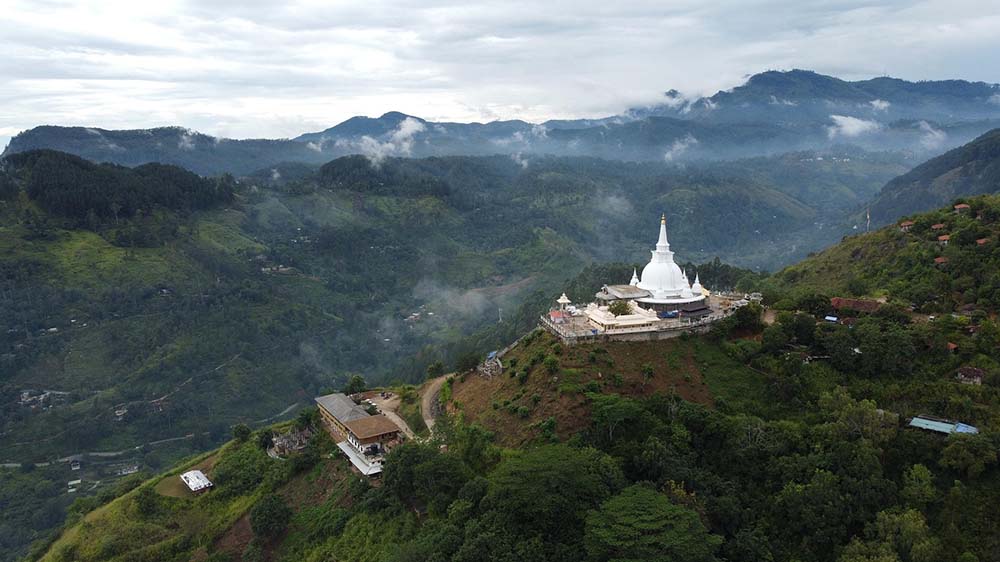
Sri Lanka’s spiritual landscape extends far beyond the famous Sigiriya Rock and Temple of the Tooth. Additionally, dozens of ancient hilltop temples are scattered across the island’s misty mountains. These remote sanctuaries offer intrepid travelers authentic Buddhist culture. Moreover, they provide stunning panoramic views and profound spiritual serenity.
Furthermore, these hidden temples in Sri Lanka remain undiscovered by most international visitors. Consequently, they offer unforgettable experiences combining adventure, history, and spirituality.
Why Visit Remote Hilltop Temples in Sri Lanka?
The cultural triangle remains essential for first-time visitors. However, venturing to off-the-beaten-path temples reveals a different side of Sri Lanka’s spiritual heritage. These remote Buddhist temples offer intimate encounters with local devotees. In addition, you can witness traditional rituals. Similarly, you’ll enjoy breathtaking mountain vistas that rival any postcard scene.
The journey to these hidden spiritual sites is equally rewarding. Typically, it involves scenic hikes through tea plantations. Furthermore, you’ll trek through dense forests and rural villages. Notably, life in these areas continues much as it has for centuries. Therefore, booking Sri Lanka temple tours to these destinations creates truly memorable experiences.
Yapahuwa Rock Fortress Temple
Yapahuwa Rock Fortress stands in the Kurunegala District. Remarkably, it’s one of Sri Lanka’s most impressive yet undervisited hilltop temples. This 13th-century citadel served briefly as the island’s capital. Additionally, it houses sacred Buddhist relics in a temple perched atop a massive granite outcrop.
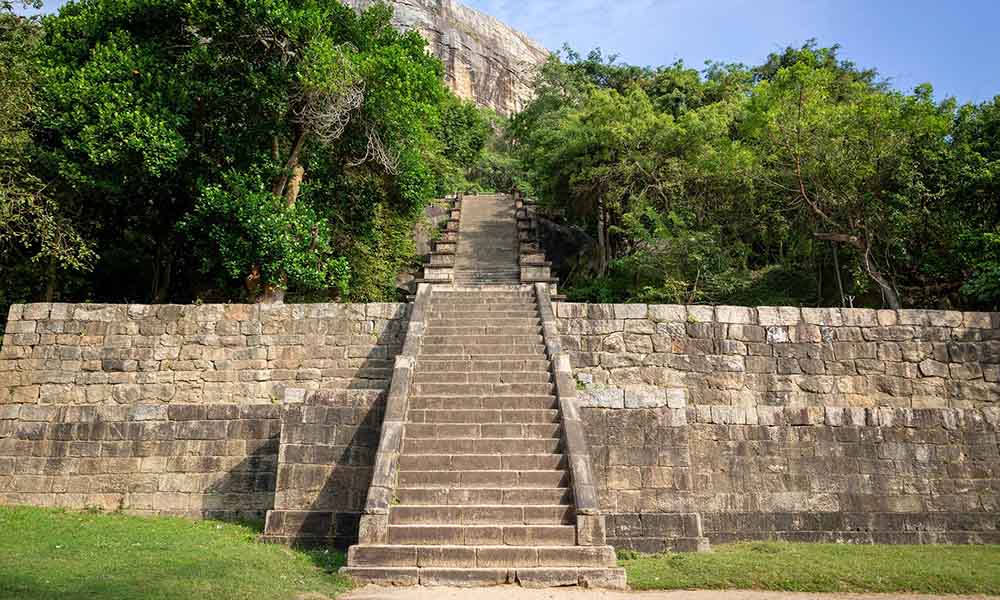
The climb features ornate stone stairways decorated with intricate carvings. Consequently, you’ll be rewarded with spectacular views across the surrounding plains. Unlike its famous cousin Sigiriya, Yapahuwa remains blissfully uncrowded. Therefore, visitors enjoy peaceful exploration and photography opportunities. Moreover, the site combines military architecture with religious significance. As a result, it’s a fascinating stop on any cultural journey through Sri Lanka.
Ritigala Forest Monastery
Deep within the Ritigala Strict Nature Reserve lies an ancient temple complex. In fact, it’s one of Sri Lanka’s most mysterious sites. This remote mountain monastery dates back over 2,000 years. Furthermore, it was home to ascetic monks who practiced strict meditation in complete isolation.
Reaching Ritigala requires a guided trek through protected forest. Importantly, elephants still roam this area. The ruins include meditation platforms and stone pathways. Additionally, you’ll find sophisticated hydraulic systems demonstrating advanced ancient engineering. Meanwhile, the spiritual atmosphere remains palpable among the moss-covered stones and giant trees. Consequently, the experience feels almost mystical for those who make the journey.
For travelers interested in combining nature and spirituality, Ceylon Tour Guides can arrange specialized excursions. In particular, they provide expert guidance to this protected archaeological site.
Dowa Rock Temple
Dowa Rock Temple is nestled along the road between Ella and Bandarawela. Surprisingly, it features a massive unfinished Buddha statue carved directly into a cliff face. This lesser-known gem dates to the 1st century BCE. Moreover, it features cave shrines decorated with ancient frescoes.
The temple’s hilltop location provides sweeping views of the surrounding valleys. Additionally, you’ll see sprawling tea estates. Unlike more commercialized sites, Dowa maintains an authentic local atmosphere. Therefore, you might find yourself the only visitor. Meanwhile, you can observe resident monks and village devotees performing their daily worship.
Buduruwagala Temple
The remote Buduruwagala Temple is located near Wellawaya in southeastern Sri Lanka. Impressively, it houses the island’s tallest Buddha statue carved into solid rock. Standing 51 feet high, this 10th-century masterpiece is remarkably well-preserved. Furthermore, it’s flanked by intricate carvings of bodhisattvas.
The journey to Buduruwagala takes you through rural countryside. Notably, it’s far from typical tourist routes. The peaceful setting allows for quiet contemplation. Consequently, you can appreciate ancient artistry without distractions. Indeed, this site perfectly exemplifies the rewards of seeking out off-the-beaten-path temples in Sri Lanka.
Pidurangala Rock Temple
Neighboring Sigiriya attracts thousands of visitors daily. In contrast, Pidurangala Rock Temple offers an equally spectacular yet more authentic experience. This ancient monastery actually predates Sigiriya. Moreover, it provides arguably better views of the famous rock fortress from its summit.
The climb involves navigating boulders and steep sections. Along the way, you’ll pass cave shrines and a massive reclining Buddha statue. Furthermore, sunrise from Pidurangala’s peak ranks among Sri Lanka’s most breathtaking experiences. Specifically, you’ll see Sigiriya silhouetted against golden skies. Meanwhile, mist-shrouded forests stretch to the horizon.
Aluvihare Rock Temple
Aluvihare Rock Temple is located near Matale in central Sri Lanka. Significantly, it holds immense historical importance. In fact, Buddhist scriptures were first written here in the 1st century BCE. The temple complex features multiple cave shrines built into a mountainside. Additionally, each cave is decorated with vivid murals depicting Buddhist teachings.
Climbing through the interconnected caves offers both physical adventure and spiritual discovery. Moreover, the temple remains an active worship site. Therefore, visitors often witness monks chanting and devotees making offerings. Consequently, you’ll get authentic glimpses into living Buddhist traditions.
For those planning comprehensive cultural tours in Sri Lanka, Aluvihare represents an essential stop. However, most international itineraries overlook this remarkable site.
Mulkirigala Rock Temple
Mulkirigala Rock Temple rises from the southern plains near Tangalle. Impressively, it cascades down a massive rock outcrop through seven levels. Furthermore, these levels are connected by steep staircases. Often called “Little Sigiriya of the South,” this temple complex combines natural beauty with archaeological treasures.
The climb takes you past ancient cave shrines. Additionally, you’ll see whitewashed dagobas and meditation platforms. Moreover, each level offers increasingly impressive views. The uppermost terrace provides 360-degree panoramas of the southern countryside. In addition, you can glimpse the distant coastline. Because of Mulkirigala’s remoteness, you’ll likely share the experience only with local pilgrims. Occasionally, you might meet a handful of adventurous travelers.
Dambegoda Rajamaha Viharaya
Dambegoda Rajamaha Viharaya is tucked away in the Kurunegala District. Surprisingly, it remains virtually unknown to international visitors. Nevertheless, it offers historical significance and a dramatic hilltop setting. This ancient temple features beautifully preserved frescoes. Furthermore, it provides a serene atmosphere perfect for meditation and reflection.
The approach winds through rural farmland and small villages. Consequently, you’ll get authentic insights into everyday Sri Lankan life. Additionally, local guides from nearby communities can share fascinating stories. Specifically, they explain the temple’s history and its ongoing role in village spiritual life.
Tips for Visiting Remote Hilltop Temples
Dress Appropriately: Always wear modest clothing covering shoulders and knees. Additionally, remove shoes before entering temple buildings. Furthermore, bring socks for hot surfaces.
Hire Local Guides: For truly remote sites, knowledgeable guides enhance the experience significantly. Specifically, they share historical context and navigate access routes. Moreover, they facilitate respectful cultural exchanges. Professional tour guides in Sri Lanka can customize itineraries featuring these hidden gems.
Start Early: Many hilltop temples require significant climbing. Therefore, early morning visits avoid midday heat. Additionally, mornings often provide the best lighting for photography and meditation.
Bring Water and Snacks: Remote locations typically lack facilities. Consequently, come prepared with adequate hydration. Similarly, pack energy foods for longer excursions.
Respect Sacred Spaces: These temples serve as active worship sites for local communities. Therefore, maintain quiet voices. Additionally, ask permission before photographing. Furthermore, observe any specific rules posted or communicated by monks.
Allow Extra Time: Access roads to remote temples may be rough or poorly marked. Consequently, build flexibility into your schedule. This allows for unexpected delays or spontaneous discoveries.
Planning Your Temple Journey
Exploring Sri Lanka’s remote hilltop temples requires more planning than visiting famous sites. However, it rewards travelers with unforgettable experiences and deeper cultural understanding. Consider booking with experienced Ceylon tour operators. Specifically, they can arrange transportation and knowledgeable guides. Additionally, they secure appropriate permissions for protected sites.
Whether you’re drawn by spiritual seeking, architectural fascination, or adventure, these hidden temples offer something profound. Indeed, typical tourist circuits cannot provide these experiences. The combination of natural beauty, ancient artistry, and authentic spiritual atmosphere creates lasting memories. Consequently, these experiences endure long after your journey ends.
Sri Lanka’s remote hilltop temples represent the island’s soul. Moreover, they’re preserved in stone and maintained by devoted communities across generations. Venturing beyond the beaten path to discover these sacred places is transformative. Furthermore, it connects you with centuries of faith, artistry, and human aspiration.
Start planning your exploration of Sri Lanka’s hidden spiritual treasures today. Discover the peaceful sanctuaries that await those willing to wander beyond guidebook recommendations.