
Temple Architecture Styles Across Sri Lanka: A Journey Through Sacred Design
Sri Lanka’s temple architecture tells the story of over 2,000 years of religious devotion, artistic innovation, and cultural exchange. From the ancient dagobas of Anuradhapura to the ornate Hindu kovils of Jaffna, the island’s sacred structures showcase distinct architectural styles that have evolved through centuries of Buddhist and Hindu traditions.
Whether you’re planning your first visit or returning to explore deeper, understanding these temple architecture styles across Sri Lanka will transform how you experience these magnificent monuments. At Ceylon Tour Guides, we help travelers discover the hidden stories behind every pillar, carving, and sacred space.
Ancient Buddhist Temple Architecture: The Foundation of Sri Lankan Design
Anuradhapura Period (3rd Century BCE – 10th Century CE)
The ancient city of Anuradhapura established the fundamental elements of Buddhist temple architecture in Sri Lanka. This period introduced three key architectural forms that remain central to Sri Lankan Buddhist temples today:
Dagobas (Stupas): These massive dome-shaped structures are the most iconic feature of ancient Sri Lankan temple architecture. The Ruwanwelisaya and Jetavanaramaya dagobas in Anuradhapura demonstrate the engineering brilliance of ancient builders, with some reaching heights over 120 meters. The classic Sri Lankan dagoba features a hemispherical dome (anda), a square base (pesawa), and a spire (kotha) crowned with a crystal pinnacle.
Image Houses (Pilimage): These rectangular buildings house Buddha statues and feature thick walls, small windows, and elaborate moonstones at entrances. The architecture prioritizes creating a meditative atmosphere through controlled lighting and proportions.
Bodhi Tree Shrines: Unique to Sri Lankan temple architecture, these circular or square structures protect sacred Bodhi trees, including the famous Sri Maha Bodhi tree, the oldest documented tree in the world.
Planning to explore these ancient wonders? Our cultural heritage tours provide expert guidance through Anuradhapura’s architectural marvels.
Polonnaruwa Period: Refinement and Innovation (10th – 13th Century)
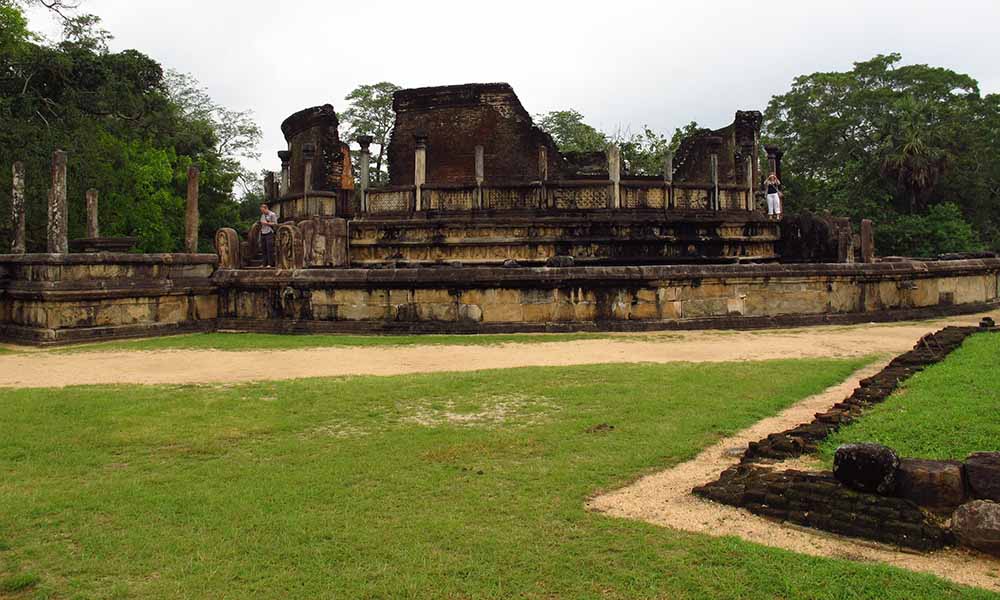
Polonnaruwa temple architecture represents a golden age of Sri Lankan artistic achievement. This period saw the refinement of earlier styles with greater attention to decorative elements and structural sophistication.
Key architectural developments include:
- Vatadage structures: Circular relic houses with concentric stone pillars, like the magnificent Polonnaruwa Vatadage
- Rock-cut temples: The Gal Vihara’s four Buddha statues carved from a single granite wall showcase mastery of stone sculpture
- Elaborate moonstones: Semi-circular stone carvings at temple entrances featuring intricate animal and floral motifs symbolizing the path to enlightenment
- Guard stones: Ornate vertical slabs flanking entrances, often depicting divine figures
The Lankatilaka and Tivanka image houses demonstrate how Polonnaruwa architects created taller, more spacious interiors while maintaining the meditative quality of sacred spaces.
Kandyan Temple Architecture: Elegance and Integration (15th – 19th Century)
Kandyan temple architecture represents the final evolution of traditional Sri Lankan Buddhist design. This style, developed in the hill country capital of Kandy, emphasizes harmony between buildings and natural landscape.
Characteristics of Kandyan Style:
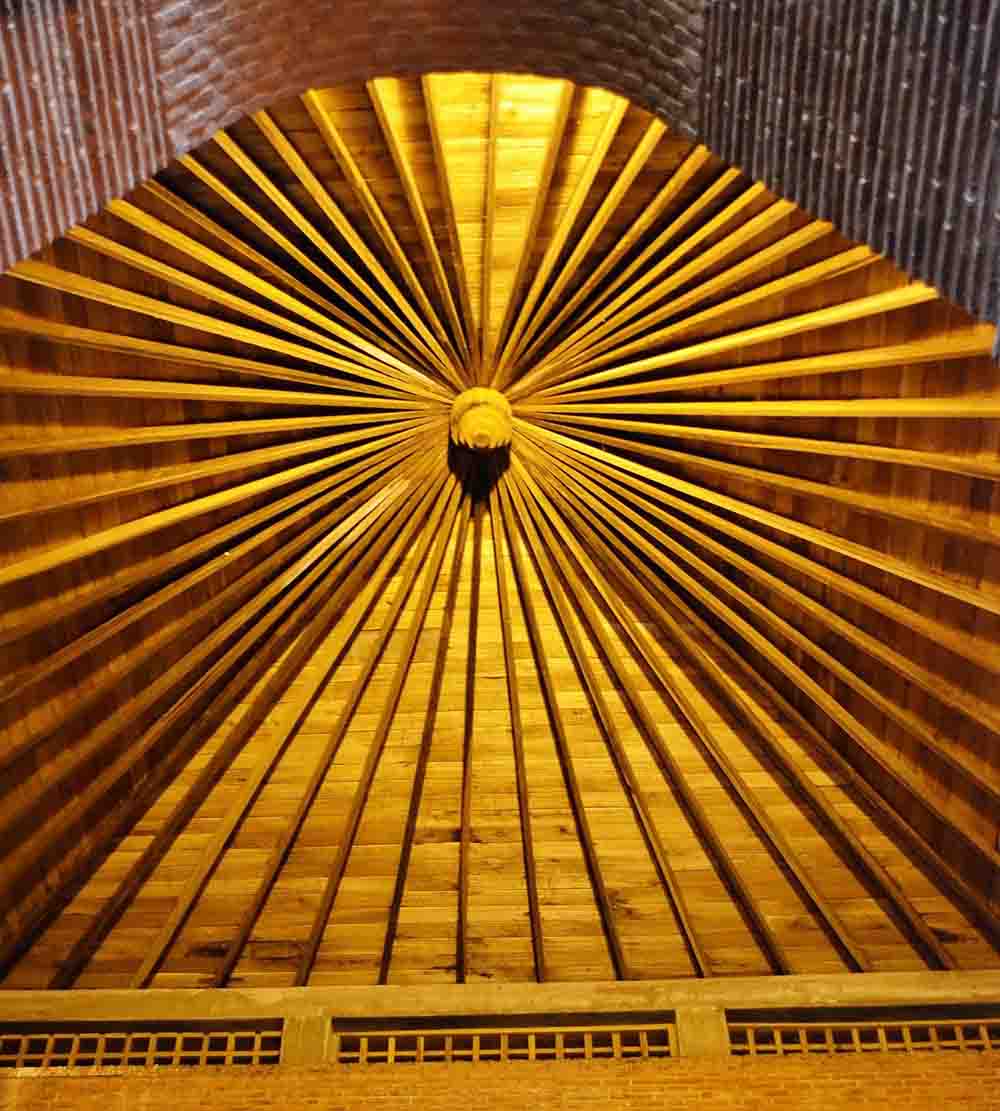
Temple of the Sacred Tooth Relic: The Sri Dalada Maligawa exemplifies Kandyan architecture with its octagonal tower (Pattirippuwa), wooden pillars, and elaborate roof designs. The temple complex integrates palace architecture with religious structures, creating a unique architectural ensemble.
Drumming halls (Digge): Open pavilions with wooden pillars and traditional Kandyan roofs serve as spaces for ritual performances and ceremonies.
Kandyan-era dagobas: Smaller and more elegant than their ancient counterparts, often featuring whitewashed surfaces and golden spires.
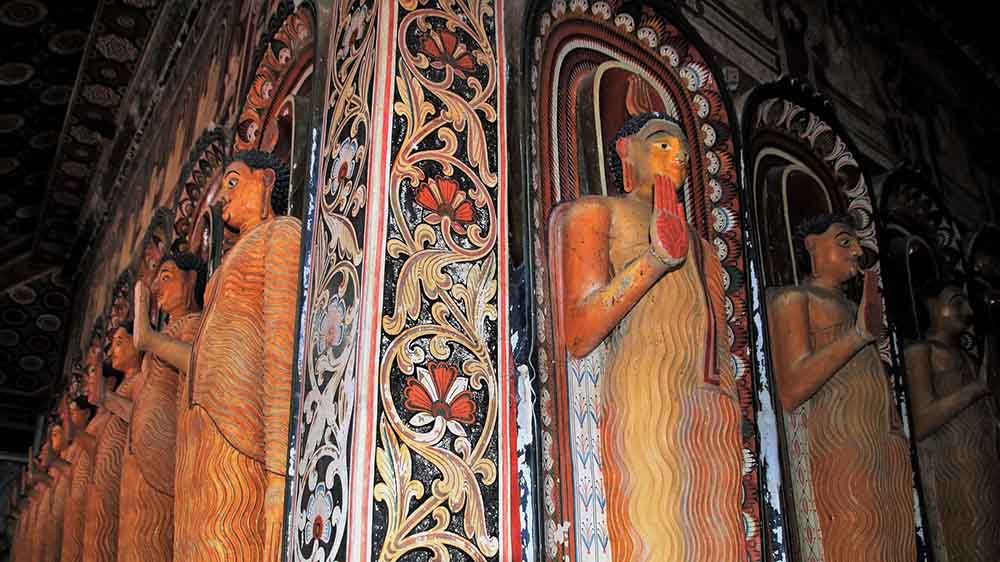
Decorative elements: Extensive use of wood carvings, painted ceilings depicting Jataka tales, and intricate doorways with makara torana (dragon arches).
The surrounding hills of Kandy host numerous temples following this architectural tradition. Discover them with our Kandy temple tours.
Dravidian Hindu Temple Architecture in Sri Lanka
Sri Lanka’s Tamil Hindu population has created stunning examples of Dravidian temple architecture, particularly in the Northern and Eastern provinces.
Key Features:
Gopurams: Multi-tiered entrance towers covered with colorful sculptures of deities, mythological figures, and decorative motifs. The Nallur Kandaswamy Kovil in Jaffna features a magnificent gopuram that dominates the skyline.
Vimana: The sanctum tower above the main shrine, typically pyramidal in form and richly decorated.
Mandapam: Pillared halls used for religious ceremonies and gatherings, often featuring intricately carved columns.
Prakaram: Concentric rectangular walls surrounding the temple, creating sacred boundaries.
Hindu temples in Colombo, Jaffna, Trincomalee, and Batticaloa showcase this distinctive architectural style. The Koneswaram Temple in Trincomalee and the Munneswaram Temple near Colombo are particularly notable examples where Dravidian architecture adapts to Sri Lankan contexts.
Colonial-Era Temple Architecture: Adaptation and Preservation
During Portuguese, Dutch, and British colonial periods (16th – 20th centuries), Sri Lankan temple architecture evolved to incorporate new influences while maintaining traditional elements.
Some temples adopted:
- European-style columns and facades
- Victorian-era decorative elements
- Modern construction materials while preserving traditional designs
- Defensive architectural features to protect from colonial interference
The Kelaniya Raja Maha Vihara near Colombo exemplifies how temples renovated during this period blended traditional and colonial-era aesthetics.
Cave Temples: Architecture Carved from Rock
Sri Lanka’s cave temples represent a unique architectural tradition where natural rock formations become sacred spaces through human artistry.
Dambulla Cave Temple Complex: This UNESCO World Heritage Site features five caves with over 150 Buddha statues and extensive murals covering 2,100 square meters. The natural rock ceiling and flowing contours create an otherworldly atmosphere.
Aluvihara Rock Temple: Near Matale, these caves showcase how monks adapted natural formations into meditation spaces and libraries, including where the Pali Canon was first written down.
Cave temple architecture demonstrates how builders worked with natural topography rather than against it, creating spaces that feel both constructed and organic.
Regional Variations in Temple Architecture
While major architectural periods define broad styles, regional variations add richness to Sri Lanka’s temple heritage:
Southern Coast: Temples often feature maritime influences and connections to fishing communities, with smaller scale but intricate decorative work.
Hill Country: Beyond Kandy, upcountry temples integrate terracing and use local stone, adapting Buddhist architecture to mountainous terrain.
Eastern Province: Hindu and Buddhist temples show unique blending of traditions, reflecting the region’s multi-religious communities.
Northern Jaffna: Predominantly Hindu temples showcase pure Dravidian style with distinctive Tamil architectural vocabulary.
Architectural Elements: Understanding Temple Symbolism
Moonstones (Sandakada Pahana)
These semi-circular carved stones at temple entrances are unique to Sri Lankan architecture. The concentric bands typically depict:
- Outer ring: Flames representing the world
- Animal processions: Elephant (birth), horse (old age), lion (disease), bull (death)
- Creeping vine: Desire binding humans to samsara
- Inner lotus: Purity and enlightenment
Guard Stones (Muragala)
Vertical slabs flanking entrances feature nagas (serpent deities), dwarfs, or other protective figures, serving both decorative and symbolic functions.
Makara Torana
Dragon arches over doorways feature mythical makara creatures, symbolizing protective forces guarding sacred spaces.
Experiencing Sri Lanka’s Temple Architecture
To fully appreciate these architectural masterures:
- Visit during different times of day: Morning light creates different shadows and atmospheres than evening illumination
- Observe ritual practices: Understanding how spaces are used reveals architectural intentions
- Study decorative details: Carvings and paintings contain layers of religious and cultural meaning
- Compare periods and styles: Visiting temples from different eras highlights architectural evolution
- Hire knowledgeable guides: Expert interpretation brings architectural features to life
Our experienced team at Ceylon Tour Guides specializes in temple architecture tours, helping visitors understand the cultural context, religious significance, and artistic achievement embodied in these structures.
UNESCO World Heritage Temple Sites
Several Sri Lankan temple complexes have earned UNESCO World Heritage status for their architectural and cultural significance:
- Sacred City of Anuradhapura: Ancient dagobas and monastic complexes
- Ancient City of Polonnaruwa: Medieval architectural masterpieces
- Golden Temple of Dambulla: Cave temple complex with exceptional murals
- Sacred City of Kandy: Home to the Temple of the Tooth Relic
These sites represent the pinnacle of Sri Lankan temple architecture and are must-visit destinations for architecture enthusiasts.
Conservation and Modern Challenges
Preserving Sri Lanka’s temple architecture faces ongoing challenges:
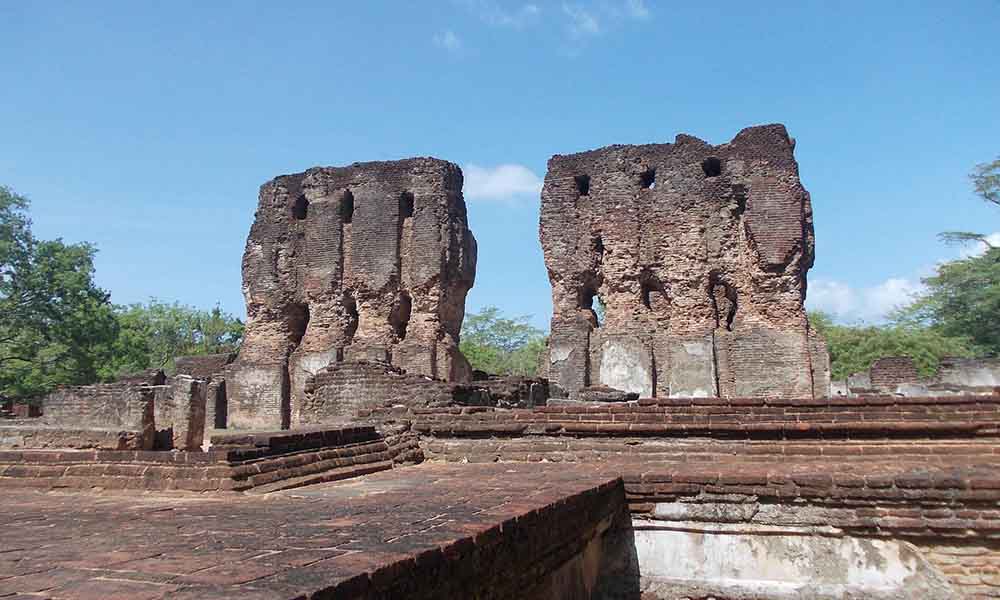
- Environmental weathering of ancient structures
- Balancing religious use with conservation needs
- Modern development pressures
- Funding for restoration projects
- Training craftspeople in traditional techniques
Despite these challenges, dedicated conservation efforts ensure these architectural treasures endure for future generations.
Planning Your Temple Architecture Tour
When planning your exploration of Sri Lankan temple architecture:
Best time to visit: December to March offers ideal weather for extensive temple touring, though cultural festivals throughout the year provide special opportunities.
Dress appropriately: Temples require modest clothing covering shoulders and knees, and you’ll need to remove shoes before entering sacred spaces.
Photography: While generally permitted in outer areas, some interior spaces restrict photography. Always ask permission and respect sacred spaces.
Duration: A comprehensive temple architecture tour requires at least 7-10 days to cover major sites across different regions and periods.
Book your personalized temple architecture tour with Ceylon Tour Guides to ensure you experience the finest examples of each architectural style with expert historical and cultural context.
Conclusion: A Living Architectural Heritage
Temple architecture styles across Sri Lanka represent more than historical artifacts—they’re living spaces where religious traditions continue unbroken for over two millennia. From the massive dagobas of Anuradhapura to the ornate Hindu kovils of Jaffna, these structures embody the spiritual aspirations, artistic achievements, and cultural identity of Sri Lankan civilization.
Whether you’re an architecture enthusiast, spiritual seeker, history buff, or curious traveler, Sri Lanka’s temples offer endlessly rewarding exploration. Each visit reveals new details, deeper meanings, and greater appreciation for the builders and believers who created and maintain these extraordinary spaces.
Ready to explore Sri Lanka’s magnificent temple architecture? Contact Ceylon Tour Guides today to design your perfect cultural heritage journey through the island’s most sacred and architecturally significant sites.
About Ceylon Tour Guides: We specialize in creating personalized cultural tours that bring Sri Lanka’s rich heritage to life. Our expert guides provide deep knowledge of temple architecture, history, and religious traditions, ensuring memorable and meaningful experiences for every traveler. Visit ceylontourguides.com to start planning your Sri Lankan adventure.


