
Sacred Monasteries of Sri Lanka: History & Spiritual Significance
Introduction to Sri Lanka’s Monastic Heritage
Sri Lanka’s sacred monasteries stand as timeless monuments to one of the world’s oldest continuous Buddhist traditions. For over 2,300 years, these spiritual sanctuaries have served as centers of meditation, learning, and religious devotion, shaping the island’s cultural identity and preserving ancient wisdom through countless generations.
From mist-shrouded forest hermitages to magnificent cave complexes carved into mountainsides, Sri Lanka’s monasteries offer travelers a profound journey into the heart of Theravada Buddhism. Whether you’re seeking spiritual enlightenment, historical exploration, or simply the serenity of these sacred spaces, the island’s monastic sites provide an unparalleled window into living Buddhist culture.
The Historical Foundation of Buddhist Monasteries in Sri Lanka
The Arrival of Buddhism (3rd Century BCE)
The story of Sri Lankan monasteries begins in 247 BCE when Mahinda, son of the great Indian Emperor Ashoka, brought Buddhism to the island. King Devanampiya Tissa of Anuradhapura embraced the teachings, and the first monastery, Mahavihara, was established in the ancient capital. This marked the beginning of a monastic tradition that would flourish for millennia.
The early monasteries were not merely religious institutions but centers of education, medicine, and social welfare. Monks preserved ancient texts, developed sophisticated irrigation systems, and created some of Asia’s most remarkable architectural achievements.
The Golden Age of Monastic Architecture
During the Anuradhapura period (3rd century BCE – 10th century CE), Sri Lanka witnessed an extraordinary flowering of monastic architecture. Kings competed to build grander monasteries, massive stupas, and intricate image houses. The Jetavanaramaya stupa, built in the 3rd century CE, was once the third tallest structure in the ancient world, demonstrating the island’s commitment to Buddhist architecture.
Major Types of Sacred Monasteries in Sri Lanka
Forest Hermitages (Aranya Senasana)
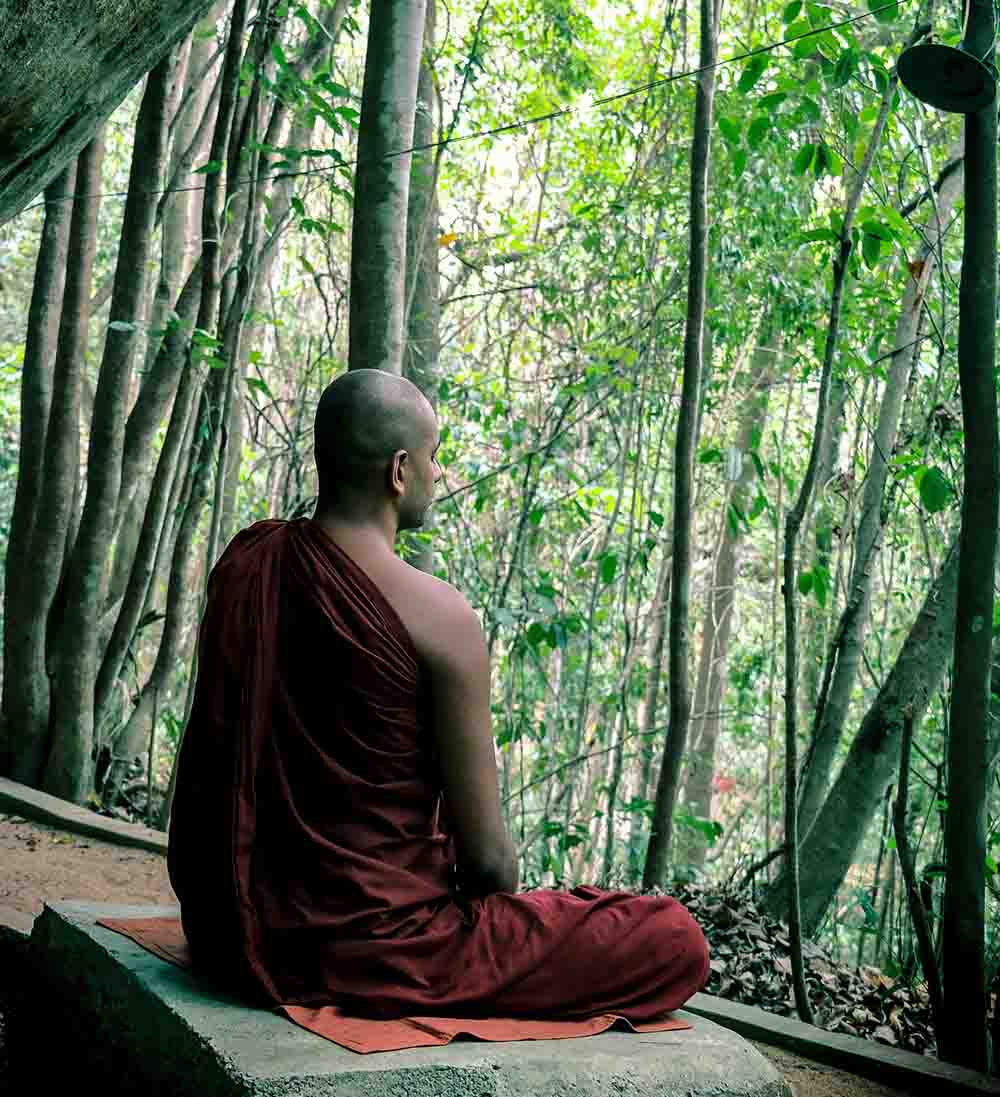
Forest monasteries represent the purest expression of Buddhist monasticism, where monks retreat into wilderness areas for intensive meditation practice. These hermitages typically feature simple dwelling caves, meditation platforms, and minimal structures designed to support a life of contemplation.
Ritigala Monastery stands among the most atmospheric forest monasteries. Nestled in a nature reserve, this ancient complex features unique architectural elements including raised stone pathways, double-platform structures, and a sophisticated water management system. The monastery follows the austere practices of the Pamsukulika sect, monks who wore only robes made from discarded cloth.
Cave Monastery Complexes
Sri Lanka’s landscape is dotted with hundreds of cave monasteries, where natural rock formations were transformed into meditation chambers and temples. These caves often feature drip ledges carved above entrances to prevent rainwater from entering, along with ancient Brahmi inscriptions recording royal donations.
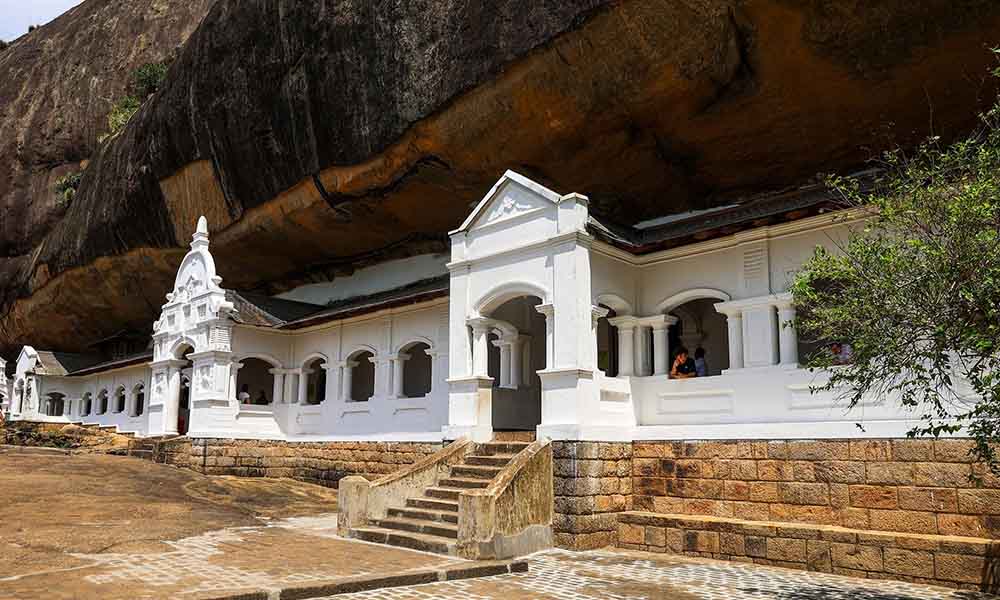
Dambulla Cave Temple, a UNESCO World Heritage Site, represents the pinnacle of cave monastery art. Five caves contain over 150 Buddha statues and 2,100 square meters of painted murals depicting Buddhist cosmology and Jataka tales. Pilgrims have visited these sacred caves for over 2,000 years, making Dambulla one of the island’s most significant spiritual destinations.
Urban Monastic Complexes
In contrast to forest hermitages, urban monasteries served as centers of learning and community engagement. These complexes typically included stupas, image houses, chapter houses, libraries, and hospitals.
Mihintale, the birthplace of Buddhism in Sri Lanka, showcases this urban monastic tradition. The complex sprawls across several peaks, featuring multiple stupas, meditation platforms, and the Kantaka Chetiya with its intricately carved elephants and dwarfs. The 1,840 granite steps leading to the summit remain a significant pilgrimage route, especially during full moon days.
Spiritual Significance of Sri Lankan Monasteries
Preservation of Theravada Buddhism
Sri Lankan monasteries have played a crucial role in preserving Theravada Buddhism in its most authentic form. When Buddhism declined in India, Sri Lankan monks safeguarded the Pali Canon, the complete collection of Buddhist scriptures. The island became a refuge for the tradition, later sending missionaries to Southeast Asia to revive Buddhism in Thailand, Myanmar, and Cambodia.
Centers of Meditation and Mindfulness
The monastery tradition emphasizes vipassana (insight meditation) and samatha (tranquility meditation). Forest monasteries particularly maintain rigorous meditation schedules, with monks engaging in extended periods of sitting and walking meditation. Many monasteries now welcome international visitors seeking authentic meditation instruction.
Pilgrimage and Merit-Making
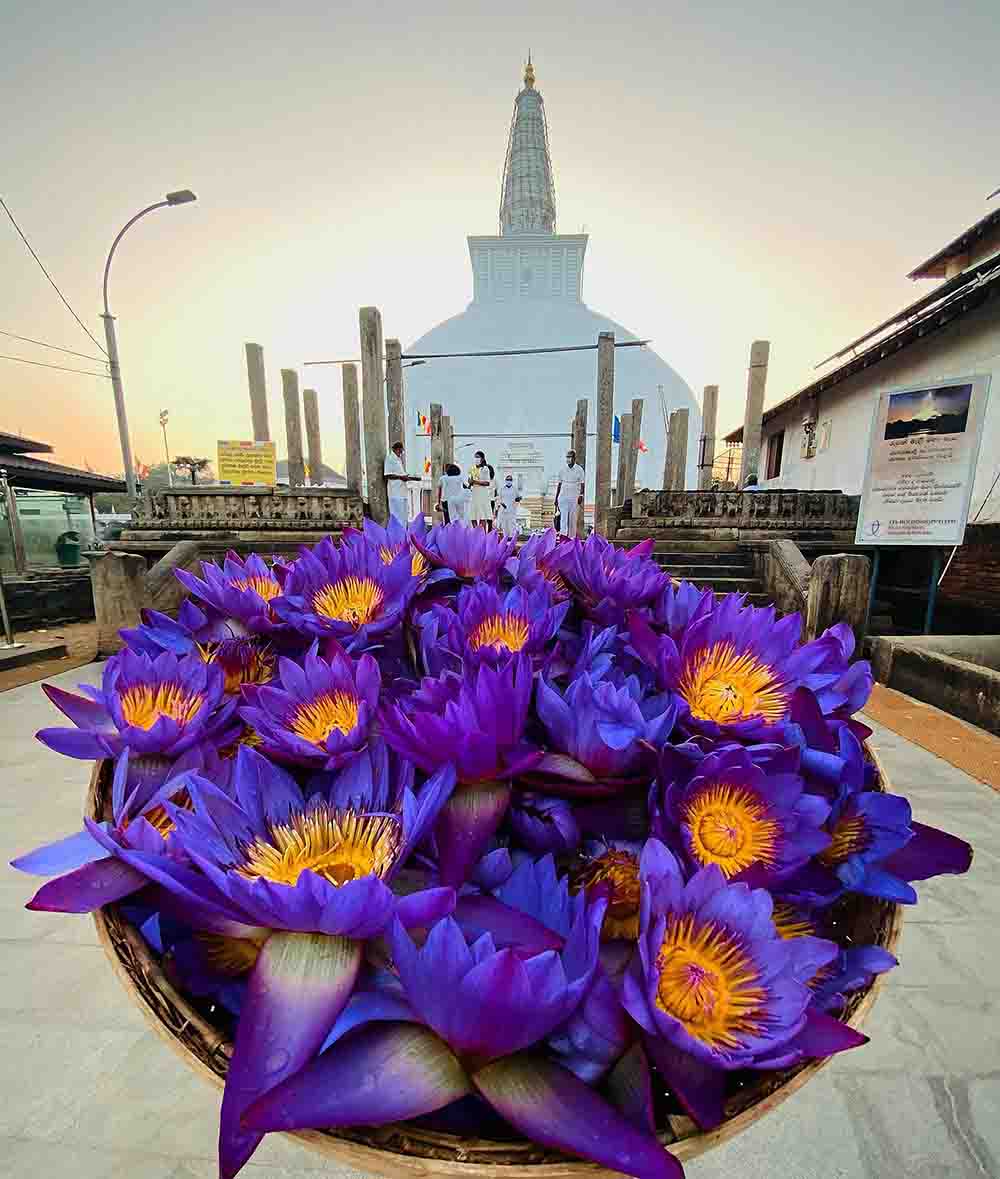
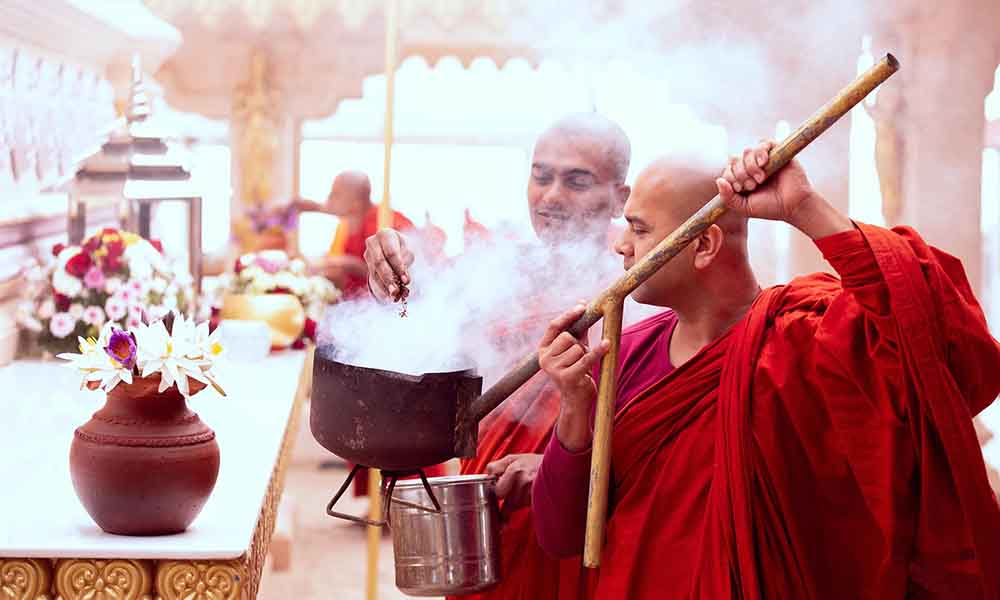
For Sri Lankan Buddhists, visiting sacred monasteries represents an essential act of devotion and merit-making. Pilgrims offer flowers, incense, and oil lamps while circumambulating stupas and meditating in ancient image houses. Major festivals like Poson Poya (commemorating Buddhism’s arrival) draw hundreds of thousands of devotees to monastic sites.
Notable Sacred Monasteries Worth Visiting
Aluvihara Rock Temple
Located near Matale, Aluvihara holds immense historical significance as the location where Buddhist scriptures were first committed to writing in the 1st century BCE. For centuries, teachings had been preserved through oral transmission, but famine and war threatened this knowledge. Monks gathered at Aluvihara to inscribe the Tripitaka on palm leaves, ensuring the survival of Buddhist teachings.
The cave complex features vivid murals depicting Buddhist hell realms, serving as moral instruction for visitors. The serene setting and historical importance make Aluvihara essential for understanding Sri Lankan Buddhist heritage.
Mulkirigala Rock Temple
Rising dramatically from the southern plains, Mulkirigala monastery cascades across seven levels of a massive rock outcrop. Ancient inscriptions date the monastery to the 2nd century BCE, though the current structures reflect later Kandyan-era architecture. The temple gained fame when British scholar George Turnour discovered palm leaf manuscripts here that enabled the decipherment of ancient Brahmi script.
The monastery offers stunning panoramic views and houses numerous Buddha statues in various postures, along with beautifully preserved murals showing both religious and secular scenes from Sri Lankan life.
Buduruwagala
Deep in the southeastern forests stands Buduruwagala, featuring the tallest Buddha statue carved into living rock in Sri Lanka. The central standing Buddha, reaching 51 feet, is flanked by six other figures representing bodhisattvas and deities. Traces of ancient stucco and paint hint at the monument’s original splendor.
The remote location and relatively few visitors create a contemplative atmosphere perfect for reflection. The site demonstrates the influence of Mahayana Buddhism in medieval Sri Lanka, a fascinating departure from the predominantly Theravada tradition.
Arankele Monastery
Hidden within a forest reserve, Arankele monastery served as a meditation retreat for enlightened monks during the Anuradhapura period. The ruins include bathing pools, meditation pathways, unique double-platform structures, and a remarkably intact urinal stone, providing insights into daily monastic life.
The forest setting, complete with wildlife and ancient trees, preserves the atmosphere that drew monks seeking liberation through meditation. Visiting Arankele offers a glimpse into the ascetic lifestyle central to Buddhist monasticism.
Monastic Architecture and Symbolism
Stupas (Dagebas)
Stupas dominate Sri Lanka’s monastic landscape, serving as both reliquaries and meditation focal points. These dome-shaped structures contain relics of the Buddha or enlightened monks, making them objects of veneration. The shape represents the cosmos, with the square base symbolizing earth, the dome representing water, and the spire indicating fire, air, and space.
Sri Lanka developed distinctive stupa styles, from the bell-shaped Jetavanaramaya to the elegant bubble-shaped stupas of later periods. Circumambulating stupas clockwise while meditating on Buddhist teachings remains a central devotional practice.
Image Houses (Pilimage)
Image houses shelter Buddha statues, protecting them from the elements while creating sacred spaces for worship. These structures evolved from simple rectangular buildings to elaborate constructions with multiple stories, intricate paintings, and sophisticated wooden architecture.
Interior murals typically depict Jataka tales (stories of Buddha’s previous lives), scenes from Buddha’s life, and cosmological diagrams showing Buddhist heavens and hells. The artwork serves both aesthetic and educational purposes, making Buddhist teachings accessible to illiterate devotees.
Monastic Layout and Sacred Geometry
Traditional monasteries follow principles of sacred geometry, with structures positioned according to cardinal directions and cosmological significance. The layout typically includes four sacred areas: the stupa, the bodhi tree, the image house, and the chapter house where monks recite monastic rules.
Water features prominently in monastic design, with elaborate bathing pools (pokuna) and sophisticated irrigation systems demonstrating advanced hydraulic engineering. These lotus ponds served practical and symbolic purposes, representing purity and spiritual transformation.
The Living Tradition: Monasteries Today
Contemporary Monastic Life
Despite modernization, many Sri Lankan monasteries maintain traditional practices. Monks follow the Vinaya, the monastic code established 2,500 years ago, which governs everything from eating schedules to robe-dyeing. Daily routines typically include pre-dawn meditation, alms rounds, Dhamma study, chanting, and evening meditation sessions.
Young men continue entering monasteries as novices, receiving education in Pali, Buddhist philosophy, meditation, and contemporary subjects. The monastic sangha remains highly respected in Sri Lankan society, with monks serving as spiritual advisors, educators, and social leaders.
Meditation Retreats for International Visitors
Numerous monasteries now offer meditation programs for international visitors seeking authentic Buddhist practice. Centers like the Na Uyana Aranya in Kandalama and the Nilambe Buddhist Meditation Centre near Kandy provide structured retreats ranging from weekend introductions to extended three-month intensive courses.
These retreats typically maintain noble silence, vegetarian meals, and a disciplined schedule of meditation under experienced teacher-monks. Participating in monastery life offers profound insights into Buddhist practice and Sri Lankan spiritual culture.
Preservation Challenges and Conservation Efforts
Ancient monasteries face challenges from weathering, vegetation growth, and increased tourism. Organizations like the Central Cultural Fund work to preserve archaeological sites while the Department of Buddhist Affairs oversees active monasteries.
UNESCO World Heritage designation has helped protect major sites, though balancing conservation with religious use requires ongoing attention. Some monasteries limit visitor access to certain areas to preserve their sacred character and protect meditation monks from disturbance.
Planning Your Visit to Sri Lanka’s Sacred Monasteries
Respectful Travel Guidelines
Visiting monasteries requires cultural sensitivity and appropriate behavior. Modest dress is essential: shoulders and knees must be covered, and white clothing is preferred for pilgrimage sites. Visitors should remove shoes before entering sacred areas and avoid pointing feet toward Buddha images.
Photography may be restricted in certain areas, particularly where monks are meditating. Speaking quietly, avoiding physical contact with monks, and observing rather than participating in rituals (unless invited) demonstrates respect for the living religious tradition.
Best Times to Visit
Early morning visits offer cooler temperatures and the chance to observe monks’ daily routines. Full moon days (Poya days) are particularly auspicious, with increased religious activities, though sites become crowded. Avoid visiting during major ceremonies unless you’re prepared for large crowds and potential access restrictions.
The cultural triangle sites are accessible year-round, though the dry season (December to April) offers the most comfortable travel conditions. Forest monasteries are best visited during drier months when paths are more accessible.
Combining Monastery Visits with Cultural Tours
Sri Lanka’s compact size allows combining monastery visits with other cultural and natural attractions. A typical cultural triangle tour might include Anuradhapura’s ancient monasteries, Sigiriya Rock Fortress, Dambulla Cave Temple, and Polonnaruwa’s medieval ruins.
For a deeper spiritual experience, consider spending several days in Kandy, combining the Temple of the Tooth with quieter forest monasteries in the surrounding hills. Southern coastal areas offer opportunities to visit Mulkirigala and other lesser-known monastery sites while enjoying beach relaxation.
Explore our customized cultural heritage tours designed to provide meaningful encounters with Sri Lanka’s monastic traditions while respecting these sacred spaces.
The Enduring Legacy of Sri Lankan Monasteries
Sri Lanka’s sacred monasteries represent far more than architectural achievements or historical curiosities. They embody a living spiritual tradition that has shaped the island’s identity for over two millennia. Walking ancient stone pathways, sitting in meditation caves used by generations of monks, and observing contemporary monastics maintaining traditional practices connects visitors to an unbroken lineage of wisdom and compassion.
Whether you’re drawn by religious devotion, historical interest, or the search for peace in our chaotic world, Sri Lanka’s monasteries offer something profound. They remind us that some pursuits—truth, compassion, enlightenment—transcend time and culture, speaking to universal human aspirations.
As you plan your journey through Sri Lanka, consider dedicating time to these sacred spaces. Move slowly, observe mindfully, and open yourself to the contemplative atmosphere that has drawn seekers for countless generations. The monasteries’ greatest gift may not be their architectural splendor but the invitation they offer: to pause, reflect, and reconnect with what matters most.
Begin your spiritual journey through Sri Lanka with expert local guides who understand both the historical significance and living traditions of these sacred sites.
Discover authentic Sri Lankan cultural experiences with Ceylon Tour Guides, your trusted partner for meaningful travel in the Pearl of the Indian Ocean.


