
Discovering Abandoned Colonial Sites: A Journey Through Sri Lanka’s Forgotten Heritage
Sri Lanka’s landscape is dotted with haunting reminders of its colonial past—crumbling forts, weathered churches, and forgotten administrative buildings that stand as silent witnesses to centuries of European influence. For history enthusiasts and adventure seekers alike, discovering abandoned colonial sites offers a unique window into the island’s complex past and presents unparalleled opportunities for exploration and photography.
The Allure of Abandoned Colonial Architecture
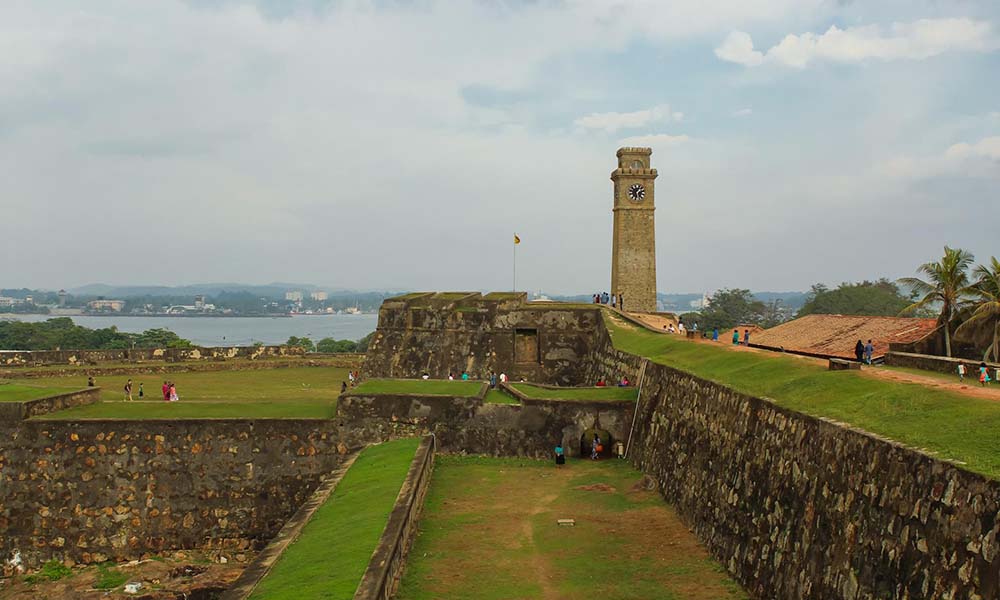
Exploring abandoned colonial sites in Sri Lanka is like stepping into a time capsule. These forgotten structures, built by the Portuguese, Dutch, and British between the 16th and 20th centuries, showcase distinctive architectural styles that blend European design with tropical adaptations. Unlike restored heritage sites, abandoned colonial buildings possess an authentic, untouched quality that sparks the imagination and connects visitors directly with history.
The appeal of these locations extends beyond mere aesthetics. Each crumbling wall, overgrown courtyard, and weathered inscription tells a story of trade, conquest, cultural exchange, and eventual decline. For photographers, these sites offer dramatic compositions where nature reclaims human-made structures, creating visually stunning contrasts.
Notable Abandoned Colonial Sites Worth Exploring
Dutch Colonial Remnants
The Dutch left an indelible mark on Sri Lanka’s coastal regions during their 140-year rule. While Galle Fort remains beautifully preserved, numerous lesser-known Dutch structures lie abandoned across the island.
The abandoned Dutch canal systems near Negombo feature decaying lock gates and colonial-era bridges slowly being consumed by vegetation. These waterways, once crucial for transporting cinnamon and other spices, now serve as atmospheric backdrops for heritage exploration.
In Jaffna, several Dutch administrative buildings stand empty, their thick walls and distinctive architecture deteriorating year by year. The old Dutch hospital buildings scattered throughout former VOC (Dutch East India Company) settlements provide fascinating glimpses into colonial-era healthcare infrastructure.
British Hill Country Estates
The central highlands harbor some of Sri Lanka’s most romantically decayed colonial sites. Abandoned British tea estate bungalows dot the hillsides around Nuwara Eliya and Haputale, many featuring original furnishings, vintage machinery, and personal effects left behind decades ago.
The abandoned Adisham Monastery area includes several lesser-known British colonial buildings that have fallen into disrepair. These structures showcase the distinctive Anglo-Indian architectural style favored by British colonials seeking to recreate English country estates in tropical settings.
Former British railway stations along defunct rail lines present another category of fascinating abandoned colonial sites. These stations, with their characteristic Victorian architecture and rusting equipment, evoke the golden age of Ceylon’s railway expansion.
Portuguese Fortress Ruins
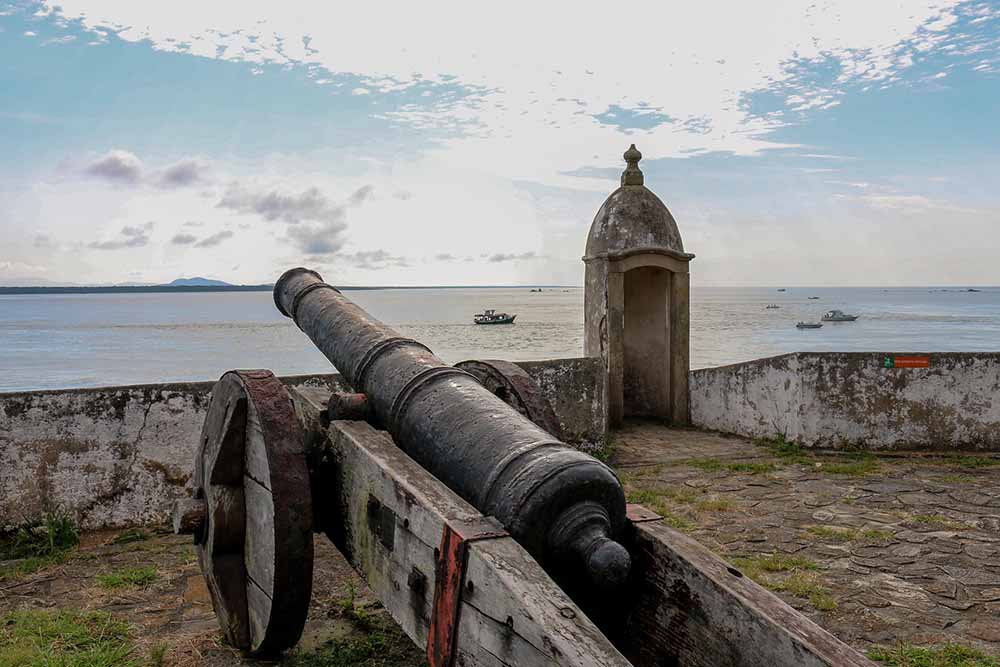
Portugal’s early colonial presence (1505-1658) left fewer standing structures, but their fortress ruins remain some of Sri Lanka’s most atmospheric abandoned sites. Beyond the well-known Jaffna Fort, numerous smaller Portuguese fortifications along the coast lie forgotten and unexplored.
The remnants of Portuguese churches in remote coastal villages showcase unique architectural fusion—European Catholic design elements combined with local building techniques and materials. These structures often feature beautiful stone carvings and inscriptions in Portuguese, gradually weathering away.
Planning Your Colonial Heritage Exploration
Safety and Access Considerations
Exploring abandoned colonial sites requires careful planning and respect for both safety and property rights. Many abandoned structures are unstable, with weakened floors, collapsing roofs, and hidden hazards. Always:
- Visit with experienced local guides who know the terrain
- Wear sturdy footwear and appropriate clothing
- Bring flashlights for darker interior spaces
- Never venture into obviously unstable structures
- Respect any posted warnings or restrictions
When planning your heritage exploration tour, consider booking with Ceylon Tour Guides who specialize in off-the-beaten-path historical locations and can ensure safe, legal access to these fascinating sites.
Best Times to Visit
The dry season (December to March for the west and south coast; April to September for the east coast) offers the best conditions for exploring abandoned colonial buildings. During these months, you’ll encounter less vegetation overgrowth, drier conditions inside structures, and better lighting for photography.
Early morning visits provide the most atmospheric experiences, with mist often clinging to highland ruins and softer light enhancing architectural details. The golden hour before sunset creates dramatic shadows and warm tones perfect for photography.
Combining Colonial Sites with Other Attractions
A well-planned itinerary can combine abandoned colonial site exploration with other heritage and nature attractions. Many forgotten colonial buildings sit near active cultural sites and national parks, allowing you to create comprehensive historical tours.
Consider pairing your colonial heritage exploration with:
- Coastal tours that combine Dutch fort ruins with beach visits
- Hill country expeditions linking abandoned estates with tea plantation tours
- Cultural triangle extensions that add colonial sites to ancient city itineraries
- Photography-focused tours designed specifically for capturing abandoned architecture
Photography Tips for Colonial Ruins
Abandoned colonial sites offer exceptional photography opportunities. To capture these locations effectively:
Composition techniques:
- Use doorways and windows to frame interior and exterior views
- Incorporate vegetation overgrowth to emphasize the passage of time
- Capture architectural details like ornate stonework, colonial-era signage, and period fixtures
- Experiment with wide-angle shots for spatial context and close-ups for texture
Technical considerations:
- Bring a tripod for low-light interior shots
- Use HDR techniques to balance bright tropical exteriors with dark interiors
- Consider black and white conversions to emphasize texture and form
- Shoot in RAW format for maximum post-processing flexibility
Ethical Exploration and Preservation
When discovering abandoned colonial sites, practicing ethical exploration ensures these fragile structures remain accessible for future visitors. Follow these principles:
Leave No Trace: Remove nothing except photographs. Colonial-era artifacts, fixtures, and architectural elements should remain in place. Even small removals contribute to these sites’ degradation.
Respect Local Communities: Many abandoned colonial buildings sit on private land or near active settlements. Always seek permission before entering and respect local customs and concerns.
Document Responsibly: Share your discoveries in ways that educate rather than encourage destructive tourism. Avoid publicizing exact locations of especially vulnerable sites.
Support Preservation: Consider contributing to organizations working to document and preserve Sri Lanka’s colonial architectural heritage before it’s lost forever.
The Cultural Significance of Colonial Ruins
These abandoned colonial sites represent more than just decaying buildings—they’re physical manifestations of Sri Lanka’s complex colonial history. The Portuguese, Dutch, and British colonial periods shaped modern Sri Lankan culture, language, legal systems, and urban planning in ways still evident today.
Exploring these forgotten structures provides context for understanding:
- The economic systems that drove European colonial expansion
- Architectural adaptation to tropical climates
- Cultural exchange between colonizers and local populations
- The eventual transition to independence and what was left behind
Unlike museums that present curated narratives, abandoned colonial buildings offer unmediated encounters with history, allowing visitors to form their own interpretations and emotional connections.
Creating Your Colonial Heritage Itinerary
For travelers interested in discovering abandoned colonial sites, Sri Lanka offers enough diversity for itineraries ranging from day trips to multi-week expeditions. Working with knowledgeable local tour guides helps you access sites that aren’t listed in standard guidebooks and ensures meaningful historical context.
A comprehensive colonial heritage tour might include:
Southern Coastal Circuit (3-4 days):
- Dutch canal systems and administrative buildings near Negombo
- Lesser-known colonial structures around Galle beyond the famous fort
- Portuguese church ruins in southern coastal villages
- Abandoned British railway infrastructure
Hill Country Heritage Trail (4-5 days):
- Abandoned tea estate bungalows around Nuwara Eliya
- Forgotten British administrative buildings in Bandarawela
- Colonial-era railway stations along defunct lines
- Victorian-era churches and clubs in various states of preservation
Northern Colonial Circuit (3-4 days):
- Dutch fortifications and buildings in Jaffna
- Portuguese fortress ruins along the northern coast
- British administrative buildings from the colonial capital period
- Abandoned military installations from various colonial periods
Conclusion: Preserving History Through Exploration
Discovering abandoned colonial sites in Sri Lanka offers a profoundly different travel experience from conventional tourism. These forgotten structures connect us with the island’s layered history in visceral, immediate ways that polished heritage sites cannot replicate. As nature slowly reclaims these European outposts, each visit becomes more precious—and more urgent.
Whether you’re a history enthusiast, architecture lover, or adventure photographer, Sri Lanka’s abandoned colonial buildings provide endless opportunities for exploration and discovery. The island’s colonial past, while complex and sometimes painful, shaped the nation’s present and deserves thoughtful engagement.
Ready to explore Sri Lanka’s hidden colonial heritage? Contact


