Discovering Sri Lanka’s Authentic Fishing Villages and Coastal Life
Sri Lanka’s coastline stretches over 1,340 kilometers, embracing the Indian Ocean with golden beaches, swaying palm trees, and vibrant fishing communities that have thrived for generations. Beyond the tourist resorts and popular beach destinations lies an authentic world where traditional fishing villages preserve centuries-old customs, and local coastal life unfolds with timeless rhythm.
The Soul of Sri Lankan Coastal Communities
The fishing villages of Sri Lanka offer travelers an intimate glimpse into a way of life that has remained largely unchanged despite modernization. From the southern shores of Mirissa to the eastern coasts of Trincomalee, these communities wake before dawn to the rhythmic sounds of waves and the calls of fishermen preparing their boats for the day’s catch.
Traditional Fishing Methods Still Practiced Today
Sri Lankan fishermen employ techniques passed down through generations. The iconic stilt fishermen of the south coast, particularly around Galle and Weligama, perch on wooden poles planted in shallow waters, demonstrating a unique fishing method found nowhere else in the world. This practice, though now partly performed for tourists, remains a testament to the ingenuity of coastal communities.
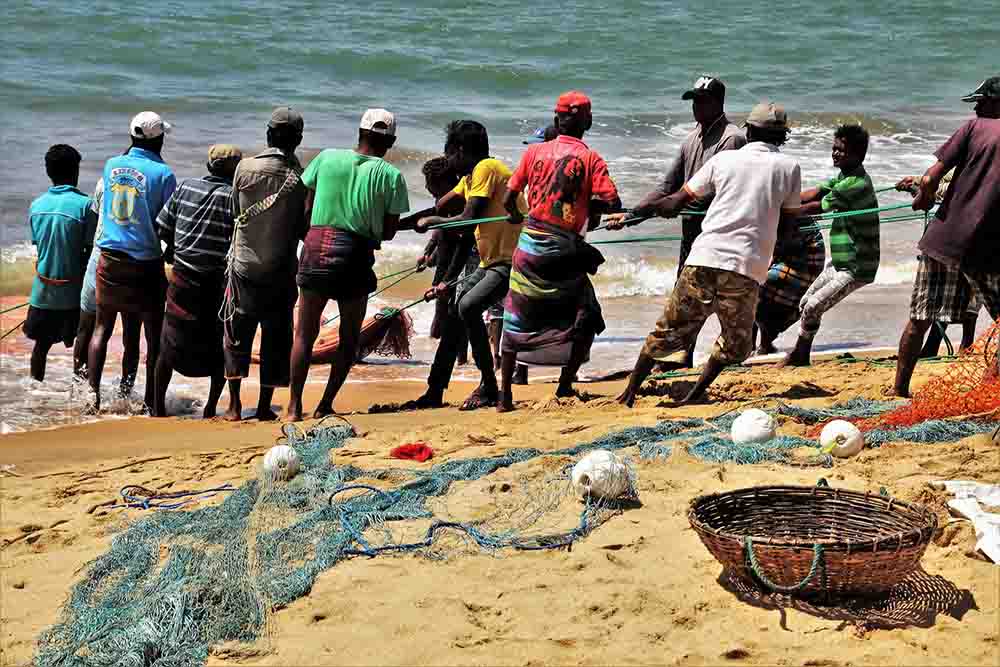
Net fishing remains the most common method, with entire villages participating in hauling massive nets onto shore. The “Oruwa” traditional outrigger canoes, crafted from locally sourced wood, continue to dot the coastline, their distinctive shape designed to navigate Sri Lanka’s sometimes treacherous waters.
Must-Visit Fishing Villages in Sri Lanka
Negombo: The Fishing Capital
Located just north of Colombo, Negombo ranks among Sri Lanka’s most important fishing hubs. The Dutch Canal, fish market, and bustling harbor create an authentic atmosphere where visitors can witness the island’s fishing industry in full swing. Early morning visits to the Negombo fish market reveal mountains of fresh catches, from tuna and swordfish to prawns and crabs, with fishermen and merchants negotiating prices in a cacophony of voices and activity.
The Negombo lagoon supports both fishing and traditional boat building, offering visitors opportunities to explore by boat while observing local life along the water’s edge. Explore our Negombo tours to experience this vibrant coastal town.
Mirissa: Where Fishing Meets Tourism
Mirissa has evolved from a quiet fishing village into a popular tourist destination, yet it maintains its fishing heritage. Each morning, colorful fishing boats return to shore with their catches while tourists enjoy breakfast at nearby cafes. The juxtaposition of traditional fishing life and modern tourism creates a unique atmosphere.
The Mirissa fish market operates daily, and visitors can purchase ultra-fresh seafood directly from fishermen. Many local restaurants will cook your market purchases, providing an authentic farm-to-table coastal experience.
Trincomalee: Eastern Coast Treasures
The eastern province harbors some of Sri Lanka’s most unspoiled fishing villages. Trincomalee and surrounding communities like Uppuveli and Nilaveli offer pristine beaches where traditional fishing remains the primary livelihood. The deep natural harbor of Trincomalee has supported fishing and maritime trade for centuries.
Local fishing communities here are predominantly Tamil, adding cultural diversity to the coastal experience. Visitors can arrange fishing trips with local fishermen or simply observe the daily routines of these hardworking communities. Discover our eastern Sri Lanka itineraries for authentic coastal experiences.
Batticaloa: Lagoon Life and Coastal Traditions
Batticaloa’s extensive lagoon system creates unique fishing opportunities. The lagoon’s brackish waters teem with fish, prawns, and crabs, supporting numerous fishing villages along its banks. The “singing fish” phenomenon, where mysterious humming sounds emerge from the lagoon waters, adds mystique to this already captivating region.
Traditional fishing methods include elaborate fish traps woven from palm fronds and bamboo, demonstrating the resourcefulness of local fishermen who work in harmony with their environment.
Daily Life in Sri Lankan Fishing Villages
The Dawn Ritual
Coastal life in Sri Lankan fishing villages begins in the pre-dawn darkness. Fishermen prepare their boats, check their nets, and make offerings at small shrines before heading to sea. This daily ritual, observed across all fishing communities regardless of religion, reflects the deep respect fishermen hold for the ocean’s power and bounty.
By sunrise, women gather on beaches awaiting the boats’ return. The entire community often participates in hauling heavy nets ashore, with the catch divided according to time-honored customs. This communal approach to fishing strengthens village bonds and ensures fair distribution of resources.
Fish Markets: The Heart of Coastal Commerce
Sri Lankan fish markets pulse with energy and color. Vendors display their wares on large stone slabs or woven mats, with species ranging from small sardines to massive marlins. The auction system operates with hand signals and rapid-fire negotiations in Sinhala or Tamil.
These markets aren’t just commercial centers but social hubs where community news is shared, marriages are arranged, and friendships are maintained. Visitors willing to brave the early morning hours and pungent aromas will be rewarded with unforgettable cultural experiences.
Traditional Boat Building
Boat building remains a respected craft in fishing villages throughout Sri Lanka. Master craftsmen construct “Oruwa” outrigger canoes using techniques unchanged for centuries. These boats, with their distinctive outriggers providing stability, are perfectly adapted to Sri Lankan waters.
In villages like Beruwala and Negombo, visitors can observe boat builders at work, shaping timber by hand and assembling boats without modern power tools. The knowledge required to build these vessels is passed from father to son, preserving maritime heritage.
Culinary Traditions of Coastal Communities
Fresh Seafood Cuisine
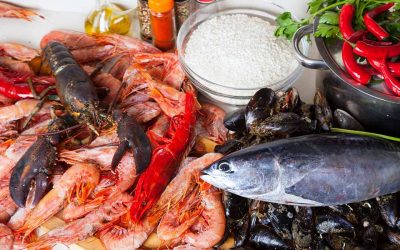
Sri Lankan coastal cuisine showcases the island’s bountiful waters. Fish curry, a staple in fishing villages, varies by region but always features fresh catches, coconut milk, and aromatic spices. Ambul thiyal (sour fish curry) from the southern coast uses goraka (Garcinia cambogia) for its distinctive tangy flavor and natural preservation properties.
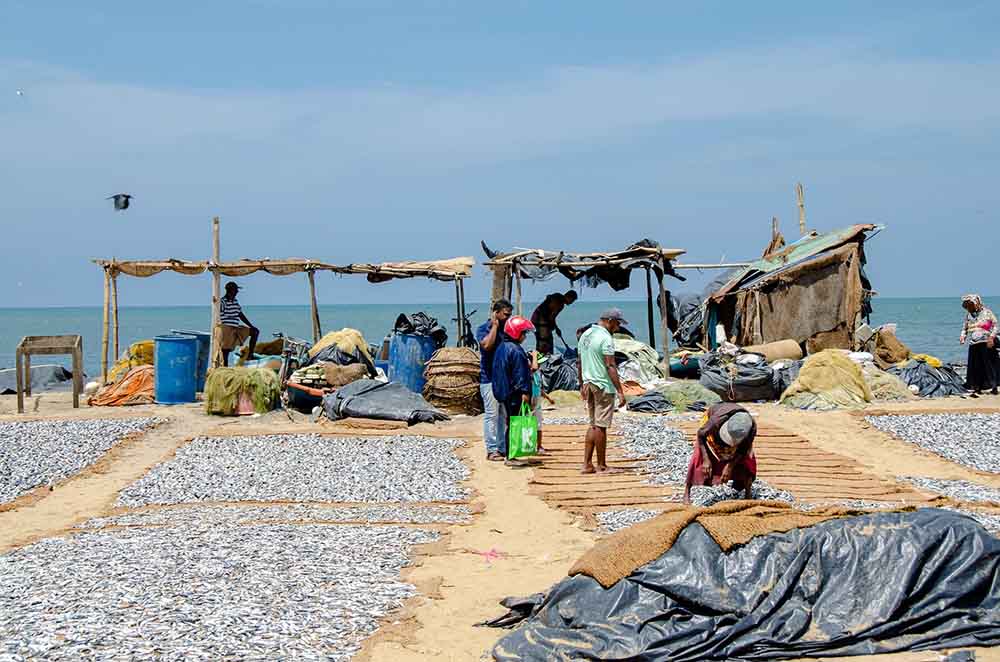
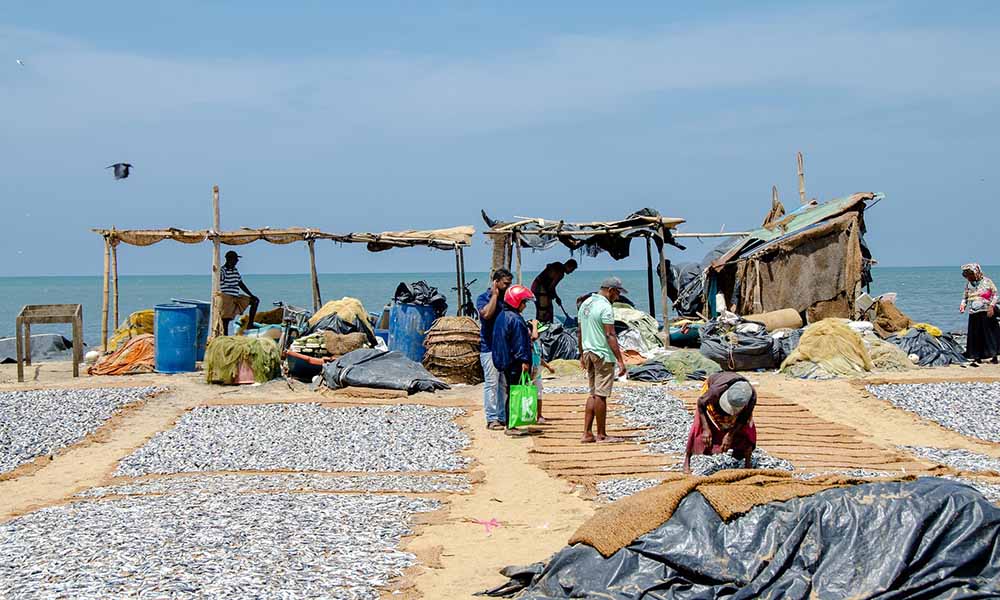
Prawns, crabs, cuttlefish, and various fish species feature in countless preparations. Dried fish, a protein source that withstands tropical heat without refrigeration, remains essential to Sri Lankan cuisine and is produced in fishing villages using traditional sun-drying methods.
Coastal Dining Experiences
Many fishing villages now offer culinary tourism opportunities. Visitors can join fishing families for home-cooked meals, learning recipes passed through generations while enjoying genuine hospitality. These experiences provide cultural insights that standard restaurant dining cannot match.
Beach barbecues featuring the day’s catch, grilled over coconut husk fires and served with pol sambol (coconut relish) and rice, epitomize coastal dining. Book a culinary tour to savor authentic fishing village cuisine.
Cultural Aspects of Fishing Communities
Religious Observances and Festivals
Buddhism, Hinduism, Christianity, and Islam all influence Sri Lankan fishing communities, creating a rich tapestry of religious observances. Many villages maintain shrines dedicated to deities protecting fishermen, including Goddess Pattini and various Hindu sea gods.
Annual festivals celebrate the ocean and seek blessings for safe voyages and abundant catches. The Vel Festival in Colombo and Trincomalee, though not exclusively fishing-related, draws massive participation from coastal communities. Christian fishing villages, particularly around Negombo, celebrate St. Anthony with elaborate processions and boat blessings.
Social Structures and Community Bonds
Fishing villages maintain strong social structures based on extended family networks and caste systems, though the latter’s influence has diminished. The cooperative nature of fishing reinforces community bonds, as success often depends on collective effort rather than individual achievement.
Village elders command respect and often mediate disputes or make decisions affecting the community. This social organization has helped fishing villages preserve their identity despite external pressures from tourism and modernization.
Sustainable Fishing and Environmental Challenges
Traditional Conservation Practices
Long before modern environmental movements, Sri Lankan fishing communities practiced sustainable fishing. Traditional knowledge includes understanding fish breeding seasons, avoiding overfishing grounds, and using selective fishing methods that minimize bycatch.
Some villages maintain “madel paluwa” (fishing restrictions) during certain periods, allowing fish populations to recover. These practices, rooted in both practical wisdom and religious beliefs, demonstrate sophisticated environmental stewardship.
Modern Challenges
Sri Lankan fishing communities face numerous challenges including overfishing by industrial vessels, climate change impacts on fish populations, coral reef degradation, and pollution. Rising sea levels threaten coastal villages, while changing monsoon patterns disrupt traditional fishing calendars.
Many fishing families struggle economically, with younger generations increasingly seeking employment in cities or abroad. This migration threatens the continuity of fishing traditions and village social structures.
Responsible Tourism
Visitors to fishing villages can support sustainability by choosing responsible tour operators, respecting local customs, purchasing directly from fishermen, and avoiding activities that exploit or romanticize poverty. Photography should always be undertaken with permission, recognizing that these are living communities, not open-air museums.
Experiencing Fishing Village Life: Practical Tips
Best Times to Visit
The fishing season varies by coast. The southwest coast (Negombo, Galle, Mirissa) sees optimal fishing from November to April, while the northeast coast (Trincomalee, Batticaloa) is best from May to September. Visit during fishing seasons to witness communities at their most active.
Early morning (5-8 AM) offers the best opportunities to observe fishing activities, including boat departures, net hauling, and fish market operations. Sunset brings a different atmosphere as fishermen prepare for night fishing or repair nets.
Cultural Sensitivity
When visiting fishing villages, dress modestly and ask permission before photographing people or their work. Small purchases from local vendors or modest tips for fishermen who allow you to observe their work support the community directly.
Learn basic Sinhala or Tamil phrases to show respect and facilitate communication. Many older fishermen speak little English, but your efforts to communicate in their language will be appreciated.
What to Bring
Comfortable walking shoes suitable for sandy or wet conditions, sun protection, and a camera are essential. Bring small denominations of Sri Lankan rupees if you plan to purchase fish or crafts. A waterproof bag protects electronics from sea spray.
Be prepared for strong odors at fish markets and landing sites. The authentic fishing village experience includes all sensory aspects of this lifestyle.
Combining Fishing Villages with Your Sri Lanka Itinerary
South Coast Circuit
The southern coastal route from Colombo through Negombo, Bentota, Galle, Mirissa, and Tangalle offers numerous fishing village experiences. This route combines fishing culture with historical sites like Galle Fort, whale watching opportunities, and stunning beaches. Explore our south coast tours for comprehensive itineraries.
East Coast Adventure
The eastern coast provides more off-the-beaten-path fishing village experiences. Trincomalee, Batticaloa, and Arugam Bay each offer distinct coastal cultures with fewer tourists. This region works well for travelers seeking authentic experiences away from mainstream tourism.
Multi-Day Immersion
Several operators now offer homestays in fishing villages, allowing visitors to participate in daily fishing activities, help prepare meals, and truly understand coastal life. These immersive experiences create lasting connections and support local economies directly.
Supporting Sri Lankan Fishing Communities
Economic Contributions
Tourism provides alternative income sources for fishing families, reducing pressure on fish stocks while preserving cultural heritage. Buying seafood, crafts, and services from fishing communities contributes directly to their livelihoods.
Cultural Exchange
Genuine cultural exchange benefits both visitors and communities. By learning about fishing traditions, visitors help validate and preserve these practices. Many young people in fishing villages gain renewed appreciation for their heritage when they see outsiders showing genuine interest.
Educational Opportunities
Some fishing villages now offer educational programs about marine conservation, traditional fishing methods, and coastal ecology. These programs employ local fishermen as guides and educators, creating meaningful work beyond fishing while sharing valuable knowledge.
The Future of Sri Lankan Fishing Villages
Sri Lanka’s fishing villages stand at a crossroads between tradition and modernity. While facing environmental and economic challenges, these communities show remarkable resilience. Tourism, when conducted responsibly, offers opportunities to preserve cultural heritage while providing economic alternatives.
The next generation of fishing families will decide whether traditional practices continue or fade into history. Visitors who approach these communities with respect, genuine interest, and fair economic exchange can help tip the balance toward preservation.
Conclusion: More Than Just Scenic Backdrops
Sri Lanka’s fishing villages and coastal communities offer far more than picturesque photo opportunities. They provide windows into sustainable lifestyles, rich cultural traditions, and the enduring human relationship with the sea. These communities have weathered monsoons, tsunamis, colonial rule, and civil conflict while maintaining their essential character.
When you visit Sri Lankan fishing villages, you’re not just observing a different way of life – you’re participating in the ongoing story of communities that have sustained themselves through ocean resources for millennia. The weathered faces of elderly fishermen, the laughter of children playing on beaches, the rhythmic sounds of waves and boat building, and the aromatic fish curries simmering in village homes all contribute to experiences that transcend typical tourism.
Plan your authentic Sri Lankan coastal experience with knowledgeable guides who understand and respect fishing village communities. Discover the heart of coastal Sri Lanka where ancient traditions meet the eternal rhythm of the Indian Ocean.