Sri Lanka’s Coastal Cuisine: Seafood Tours Along the Island Paradise
The azure waters surrounding Sri Lanka hold more than just pristine beaches and swaying palm trees. They cradle a culinary treasure trove that has been perfected over centuries, a vibrant seafood culture that transforms the daily catch into unforgettable gastronomic experiences. For travelers seeking authentic culinary adventures, Sri Lanka’s coastal cuisine offers a journey as rich and diverse as the island itself.
The Fresh Catch: From Ocean to Plate
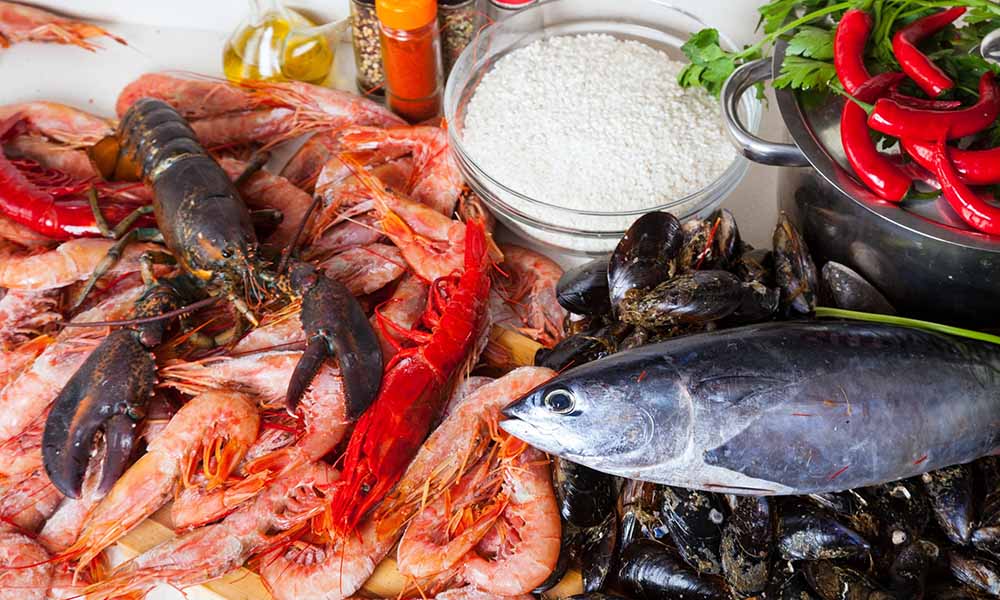
Sri Lanka’s 1,600-kilometer coastline provides an abundance of fresh seafood that forms the backbone of coastal cuisine. Early morning visits to fishing villages reveal the true heart of this culinary tradition. In Negombo, often called “Little Rome” for its Catholic fishing community, the fish market comes alive before dawn as traditional outrigger boats return with their night’s catch. Here, travelers can witness the age-old auction system where prawns, crabs, tuna, and seer fish exchange hands in a symphony of local commerce.
The southern coast presents equally captivating experiences. Mirissa and Weligama fishing harbors showcase the incredible variety of seafood that graces Sri Lankan tables: succulent lobsters, jumbo prawns, red snapper, barracuda, and the prized ambul thiyal fish. These ingredients become the foundation for dishes that blend indigenous spices with Portuguese, Dutch, and British influences accumulated over centuries of colonial history.
Signature Seafood Dishes You Must Try
Ambul Thiyal (Sour Fish Curry)
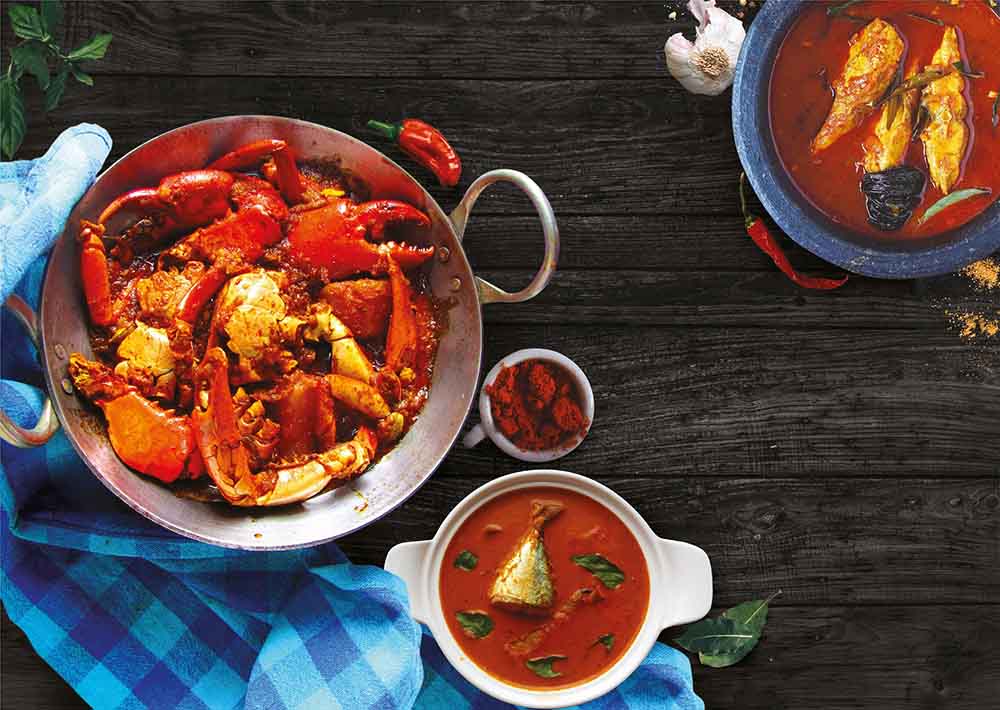
This southern Sri Lankan specialty represents the pinnacle of coastal cuisine. Chunks of tuna are slow-cooked with goraka (a tamarind-like fruit), black pepper, cinnamon, and curry leaves until the liquid evaporates, creating an intensely flavored dry curry. The preservation technique was originally developed to keep fish edible in the tropical heat, but today it’s celebrated as a culinary masterpiece. The best ambul thiyal is found in Galle and the surrounding southern villages, where family recipes have been guarded for generations.
Jaffna Crab Curry
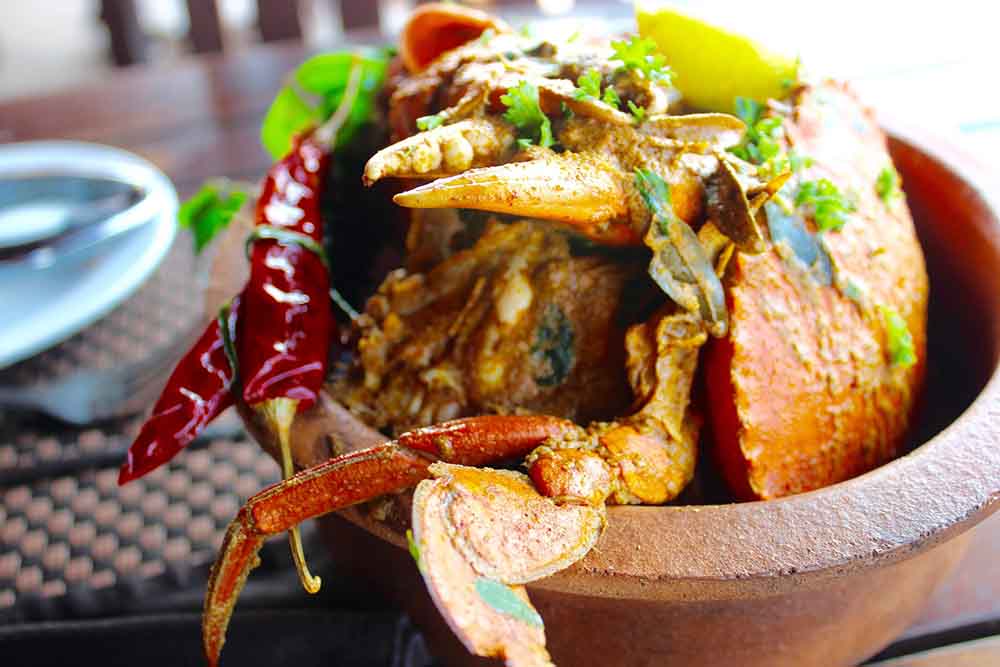
The northern peninsula of Jaffna offers a distinctly different seafood experience. Jaffna crab curry showcases the region’s Tamil culinary heritage with its liberal use of roasted spices, coconut milk, and fiery chili. The crabs are cooked with a paste of fennel, cumin, coriander, and fenugreek, creating layers of complex flavors. Paired with string hoppers or pittu, this dish represents the bold, unapologetic flavors of northern coastal cuisine.
Isso Wadey (Prawn Fritters)
These crispy golden fritters are the perfect beach snack. Fresh prawns are mixed with chickpea flour, onions, green chilies, and curry leaves, then deep-fried to perfection. Found at beach shacks from Negombo to Tangalle, isso wadey pairs perfectly with a cold King Coconut or a Ceylon beer while watching the sunset over the Indian Ocean.
Grilled Seafood at Beach BBQs
Coastal Sri Lanka’s beach barbecues offer a more rustic but equally delicious experience. Freshly caught fish, prawns, squid, and lobster are marinated in a mixture of chili, garlic, lime, and local spices before being grilled over coconut husk fires. The smoky char combined with the spice blend creates an unforgettable flavor profile best enjoyed with your toes in the sand.
Best Destinations for Seafood Tours in Sri Lanka
Negombo: The Gateway to Seafood Culture
Located just 35 kilometers north of Colombo, Negombo serves as an ideal introduction to Sri Lankan seafood culture. The Dutch Canal area and lagoon provide a picturesque backdrop for culinary exploration. Seafood tours here typically begin with a 5 AM visit to the fish market, followed by a cooking class where you learn to prepare traditional dishes like fish curry and prawn sambol. Several tour operators offer boat trips into the lagoon where you can try your hand at traditional fishing methods before enjoying your catch prepared by local chefs.
Galle and the South Coast: Heritage Meets Cuisine
The UNESCO World Heritage Site of Galle Fort provides a stunning setting for seafood adventures. Within the fort’s ramparts, boutique restaurants serve contemporary interpretations of coastal classics, while outside the walls, local eateries offer authentic home-style cooking. The nearby fishing villages of Unawatuna, Mirissa, and Weligama provide opportunities to experience traditional fishing communities. Many guesthouses and hotels offer seafood cooking classes where visitors learn family recipes passed down through generations.
Trincomalee and the East Coast: Untouched Culinary Traditions
The east coast, particularly Trincomalee and Batticaloa, offers a less-traveled seafood route. Here, Tamil and Muslim culinary traditions create unique flavor profiles. The natural harbor of Trincomalee has been a trading port for millennia, and this history reflects in the cuisine’s diverse influences. Fresh cuttlefish curry, dried fish preparations, and coastal biryani showcase the region’s distinct character. The emerging tourism infrastructure means you’ll often be the only visitor at local eateries, providing an authentic glimpse into daily coastal life.
Jaffna Peninsula: Northern Flavors
The northernmost tip of Sri Lanka offers perhaps the most distinct seafood experience. Jaffna’s cuisine reflects its Tamil heritage with dishes that are spicier and more robust than southern preparations. The Jaffna lagoon provides unique ingredients like palmyra root and toddy, which complement seafood dishes. Crab, in particular, reigns supreme here, with varieties and preparations found nowhere else on the island.
What to Expect on a Seafood Tour
A comprehensive seafood tour in Sri Lanka typically combines several elements to provide a holistic culinary experience. Most tours begin early, as fish markets and auctions happen before sunrise. You’ll witness the sorting, auctioning, and purchasing of fresh catch, learning about different species and seasonal variations.
Many tours include hands-on cooking experiences. Under the guidance of local chefs or home cooks, you’ll grind spices, extract coconut milk, and master the art of tempering curry leaves and pandan. The cooking process becomes a cultural exchange, with stories of family traditions and local history shared over chopping boards and clay pots.
Boat excursions add another dimension to seafood tours. Whether it’s a traditional catamaran in Negombo, a fishing boat in Mirissa, or a lagoon canoe in Trincomalee, these experiences connect you directly to the source of the cuisine. Some tours offer the chance to fish using traditional methods, cast nets, or set crab traps, followed by preparing and eating your catch.
Beach dining experiences showcase the casual, joyful side of Sri Lankan seafood culture. Sitting at simple tables with sand beneath your feet, you’ll enjoy platters of grilled fish, spicy prawn curry, and coconut sambol while the ocean waves provide the soundtrack.
The Spice Connection: What Makes Sri Lankan Seafood Unique
Sri Lanka’s reputation as the “Spice Island” directly impacts its seafood preparations. Unlike many coastal cuisines that let the fish flavor dominate, Sri Lankan cooking embraces bold spicing. Fresh curry leaves, pandan, lemongrass, and rampe (screwpine) provide aromatic foundations. The country’s cinnamon, considered the world’s finest, adds subtle warmth to fish curries. Black pepper from the central hills brings heat, while cardamom and cloves contribute complexity.
The use of goraka (Garcinia cambogia) and tamarind provides the distinctive sourness in many fish curries, while coconut in various forms provides richness and balance. Fresh coconut milk, grated coconut, and coconut oil are used liberally, creating creamy gravies and crispy fried preparations.
The spice blends vary by region. Southern preparations tend toward darker, more intensely spiced curries using roasted curry powder. Northern dishes often feature raw curry powder and more chili heat. Eastern preparations show Muslim influences with aromatic whole spices like fennel and star anise.
Sustainable Seafood Tourism
As you explore Sri Lanka’s coastal cuisine, you’re also supporting sustainable fishing communities. Many tours partner directly with fishing families, ensuring that tourism revenue benefits those who maintain traditional practices. Some tours include visits to community projects focused on sustainable fishing methods and marine conservation.
Choosing tours that emphasize seasonality and sustainability helps protect Sri Lanka’s marine ecosystems. Responsible tour operators avoid endangered species and respect seasonal fishing bans. They educate visitors about the importance of coral reef protection and the challenges facing traditional fishing communities in the face of climate change and industrial fishing.
Planning Your Seafood Culinary Journey
The best time for seafood tours varies by coast due to monsoon patterns. The west and south coasts are ideal from November to April, while the east coast shines from April to September. However, seafood is available year-round, and each season brings different catches.
Budget considerations range widely. Street food experiences like fish buns and isso wadey cost just a few hundred rupees, while upscale seafood restaurants in Galle Fort or Colombo can match international prices. Most cooking classes and market tours range from $30 to $100 per person, depending on the inclusions.
Consider booking seafood tours through reputable operators who prioritize authentic experiences and fair compensation for local communities. Ceylon Tour Guides offers customized culinary tours that connect travelers with genuine coastal experiences while supporting local fishing communities.
Beyond the Plate: Cultural Connections
Seafood in Sri Lanka is more than sustenance—it’s woven into the cultural fabric. Fishing communities have their own traditions, festivals, and social structures. Catholic fishing villages celebrate feast days with elaborate seafood preparations. Muslim communities have distinct halal seafood traditions. Buddhist and Hindu festivals feature specific seafood dishes prepared according to religious customs.
Understanding these cultural contexts enriches the culinary experience. When you sit down to a meal in a local home, you’re not just eating fish curry—you’re participating in traditions that connect families to the ocean, to their ancestors, and to their identity as coastal people.
Bringing the Flavors Home
Most seafood tours include opportunities to purchase spices and ingredients to recreate dishes at home. Local markets sell pre-mixed curry powders, dried goraka, rampe, and pandan. Many cooking classes provide recipe cards and shopping lists.
Remember that while you can source many ingredients internationally, the experience of cooking Sri Lankan seafood dishes at home will transport you back to the island’s shores, to the sound of waves and the warmth of the tropical sun.
Your Coastal Culinary Adventure Awaits
Sri Lanka’s seafood tours offer more than just meals—they provide windows into coastal life, sustainable traditions, and the generous spirit of island hospitality. Whether you’re watching the sunrise over Negombo’s fish market, learning to cook crab curry in a Jaffna kitchen, or grilling fresh catch on a Mirissa beach, you’re experiencing a cuisine that has evolved over millennia yet remains vibrant and relevant today.
The fusion of fresh seafood, aromatic spices, and warm hospitality creates memories that linger long after the last bite. For food lovers seeking authentic experiences beyond typical tourist trails, Sri Lanka’s coastal cuisine represents an undiscovered culinary paradise waiting to be explored.
Start planning your seafood adventure with Ceylon Tour Guides and discover why this island nation’s coastal cuisine deserves a place on every food lover’s bucket list. From market tours to cooking classes, beach barbecues to family-style dining, your Sri Lankan seafood journey promises to be as rich and diverse as the ocean itself.