
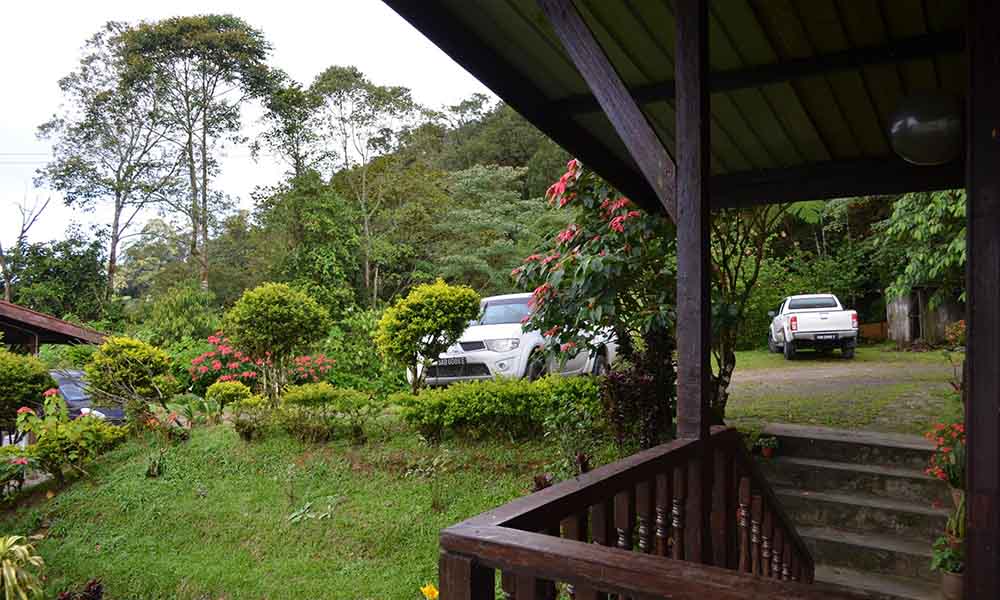
Eco-Friendly Homestays Near National Parks in Sri Lanka: Your Sustainable Safari Guide
Sri Lanka’s magnificent national parks shelter elephants, leopards, and countless bird species. However, your wildlife adventure doesn’t have to harm nature. In fact, eco-friendly homestays near national parks offer an authentic, sustainable experience. Moreover, they support local communities while minimizing environmental impact.
Why Choose Eco-Friendly Homestays for Your Sri Lanka Wildlife Adventure?
Sustainable accommodation transforms your vacation into responsible tourism. Furthermore, these homestays operate differently than large resorts. Specifically, they use solar power and harvest rainwater. Additionally, they serve organic local cuisine. As a result, the surrounding ecosystems remain pristine.
When you book an eco homestay, you directly support local families. Therefore, your money stays in the community instead of going to international chains. Consequently, this creates economic incentives to protect natural resources.
Top Eco-Friendly Homestays Near Yala National Park
Yala National Park boasts the world’s highest leopard density. Therefore, it’s Sri Lanka’s most visited wildlife destination. Meanwhile, several sustainable homestays around Yala offer comfortable accommodation.
Local families welcome guests into traditional Sri Lankan homes. Moreover, these homes feature modern eco-amenities. For instance, many have solar-heated water and composting toilets. Additionally, organic gardens supply fresh ingredients for your meals. The intimate setting means personalized service. Furthermore, you gain insider knowledge about the best safari times and wildlife viewing spots.
These homestays arrange early morning game drives into Yala. As a result, you witness famous leopards and elephants. At the same time, you support operators who follow ethical wildlife viewing practices.
Sustainable Stays Around Udawalawe National Park
Udawalawe National Park is renowned for its elephant populations. Similarly, the surrounding area hosts several exemplary eco-friendly homestays. These accommodations embrace traditional architecture. In particular, they use locally sourced materials like clay and timber.
Many Udawalawe homestays participate in community conservation programs. Additionally, they educate guests about human-elephant conflict. Furthermore, they support the famous Elephant Transit Home. Consequently, your stay contributes to vital conservation efforts. Meanwhile, you enjoy home-cooked rice and curry.
The peaceful rural setting offers authentic village life. Moreover, you can participate in farming activities if interested. Besides that, bird-watching is available right from your veranda.
Wilpattu National Park: Off-the-Beaten-Path Eco Accommodation
Wilpattu is Sri Lanka’s largest national park. However, it remains less crowded than Yala. Therefore, it offers a more exclusive wildlife experience. Meanwhile, eco-friendly homestays near Wilpattu provide rustic yet comfortable accommodation.
These homestays often feature traditional mud houses. Nevertheless, they include modern sustainable upgrades. For example, rainwater harvesting systems are common. Additionally, natural ventilation eliminates the need for air conditioning. Furthermore, locally crafted furniture adds authentic charm. The remote location means minimal light pollution. As a result, stargazing is spectacular after your evening safari.
Homestay hosts frequently offer guided village walks. In addition, they provide traditional cooking demonstrations. Moreover, they share information about local conservation challenges. Thus, your Sri Lankan wildlife tour gains cultural depth.
What Makes a Homestay Truly Eco-Friendly?
Not all accommodations are genuinely sustainable. However, authentic eco homestays demonstrate specific practices. First, they prioritize energy conservation. Additionally, they manage water responsibly. Furthermore, they reduce waste systematically.
Energy Conservation: Solar panels provide electricity and hot water. Moreover, energy-efficient lighting is standard. Additionally, natural cooling reduces air conditioning needs.
Water Management: Rainwater harvesting is essential. Furthermore, greywater recycling supports gardens. Besides that, low-flow fixtures conserve water.
Waste Reduction: Composting handles organic waste. Additionally, single-use plastics are avoided. Moreover, biodegradable cleaning products are used.
Local Sourcing: Meals feature organic produce from gardens. Therefore, this supports local food systems. Consequently, transportation emissions are reduced.
Community Engagement: Local staff are employed. Additionally, community projects receive support. Furthermore, guests learn about regional conservation issues.
Wildlife Protection: Buffer zones are maintained. Moreover, wildlife-safe fencing is used. Additionally, light and noise pollution are avoided.
Minneriya and Kaudulla: Eco Stays for Elephant Gathering Season
The famous elephant gathering occurs between July and September. During this time, hundreds of elephants visit seasonal water sources. Meanwhile, eco-friendly homestays provide front-row seats to this phenomenon.
These accommodations often occupy former farmlands. However, they’ve been partially rewilded. As a result, wildlife corridors are created. Furthermore, habitat restoration is ongoing.
Many hosts offer bicycle rentals. Therefore, you can explore surrounding villages. Additionally, you can visit ancient sites like Sigiriya. Consequently, your cultural and wildlife tour experience becomes low-carbon.
Sinharaja Rainforest: Immersive Jungle Homestays
Sinharaja is Sri Lanka’s primary remaining rainforest. Moreover, it’s a UNESCO World Heritage Site. Therefore, it offers a different ecosystem from dry zone parks. Meanwhile, eco-friendly homestays border this biodiversity hotspot.
These jungle-edge homes feature open-air designs. Furthermore, they use natural materials harvested sustainably. Additionally, minimal impact construction is standard. The humid climate works perfectly for solar water heating. Moreover, elevated structures prevent monsoon flooding.
Your hosts often serve as experienced guides. Therefore, they can lead birding expeditions. Additionally, they offer medicinal plant walks. Furthermore, night treks reveal endemic frogs and insects.
How to Book Responsible Eco-Friendly Homestays
When searching for sustainable accommodation, research thoroughly. First, look for verified eco-certifications. Additionally, read genuine guest reviews. Moreover, check for transparent environmental information.
Reputable tour operators specializing in Sri Lankan wildlife can help. Specifically, they connect you with vetted homestays. Furthermore, they understand which accommodations are genuinely sustainable.
Direct communication with owners is valuable. Therefore, you can ask about sustainability practices. Additionally, you can discuss dietary requirements. Moreover, accessibility needs can be addressed.

The Eco Homestay Experience: What to Expect
Choosing eco-friendly homestays means embracing simplicity. However, they offer authentic experiences. Specifically, you gain connection with local culture and nature.
Expect home-cooked meals featuring traditional cuisine. Often, these are vegetarian. Nevertheless, they’re always delicious. Your hosts share stories about living alongside wildlife. Moreover, they point out bird species. Additionally, they offer insights into seasonal changes.
Rooms feature comfortable beds with mosquito nets. Furthermore, fans provide natural ventilation. Additionally, bathrooms have solar-heated water. The lack of televisions becomes a gift. As a result, you disconnect from digital life. Consequently, you reconnect with nature.
Supporting Conservation Through Your Accommodation Choice
Every night in an eco-friendly homestay represents a vote for sustainability. Moreover, these accommodations prove conservation and development can coexist. Therefore, they create economic alternatives to harmful activities.
Many homestay families participate in wildlife monitoring. Additionally, they report poaching activities. Furthermore, they educate neighbors about protected areas. Your fees help fund these grassroots efforts. Consequently, they complement official park management.
Some homestays reinvest tourism income into community projects. For example, they improve schools. Additionally, they construct water wells. Moreover, they provide microloans for sustainable agriculture. Thus, your visit’s impact multiplies beyond environmental protection.
Combining Eco Homestays with Your National Park Safari
Most eco-friendly homestays collaborate with licensed safari operators. Furthermore, these guides prioritize ethical wildlife viewing. Specifically, they understand animal behavior. Additionally, they maintain respectful distances.
Your homestay host arranges safaris for optimal viewing. Typically, these are early morning and late afternoon. Moreover, they provide packed breakfasts. Additionally, they welcome you back with refreshing drinks.
For a comprehensive Sri Lankan wildlife experience, consider multi-day itineraries. Therefore, you can visit several parks. Additionally, you maintain sustainable practices throughout your journey.
Practical Tips for Eco Homestay Guests
To embrace sustainable tourism, adopt eco-friendly practices. First, bring reusable water bottles. Additionally, pack reef-safe sunscreen. Moreover, use biodegradable toiletries.
Respect water conservation by taking shorter showers. Furthermore, reuse towels when possible. Additionally, participate in waste separation. Moreover, choose local transportation options.
Ask questions about local plants and animals. Furthermore, your genuine interest validates your hosts’ commitment. Additionally, consider purchasing local handicrafts. Therefore, you support the economy beyond accommodation fees.
The Future of Eco Tourism in Sri Lanka
Sri Lanka’s eco-friendly homestay movement represents sustainable tourism’s future. Moreover, travelers increasingly prioritize environmental responsibility. Therefore, these accommodations demonstrate that comfort and conservation coexist.
By choosing sustainable homestays, you contribute to a better model. Specifically, you protect biodiversity. Additionally, you improve local livelihoods. Consequently, this creates incentives for habitat preservation.
Your decision sends a clear message to the industry. Specifically, travelers value sustainability. Therefore, they support environmentally responsible businesses.
Plan Your Sustainable Sri Lankan Wildlife Adventure
Ready to experience Sri Lanka’s national parks sustainably? Eco-friendly homestays offer the perfect base. Specifically, they combine comfort with responsibility. Moreover, they provide cultural immersion.
Whether you’re tracking leopards in Yala or photographing elephants in Udawalawe, sustainable accommodation enhances your experience. Additionally, it protects the landscapes you came to see.
Start planning with Ceylon Tour Guides. Here, expert knowledge meets sustainability. Therefore, discover how eco-friendly homestays transform your vacation. Consequently, you create memories that matter.
Experience the difference sustainable travel makes. Book your eco-friendly homestay adventure today.


