
Responsible Whale & Dolphin Watching Tours in Sri Lanka: Your Complete Guide
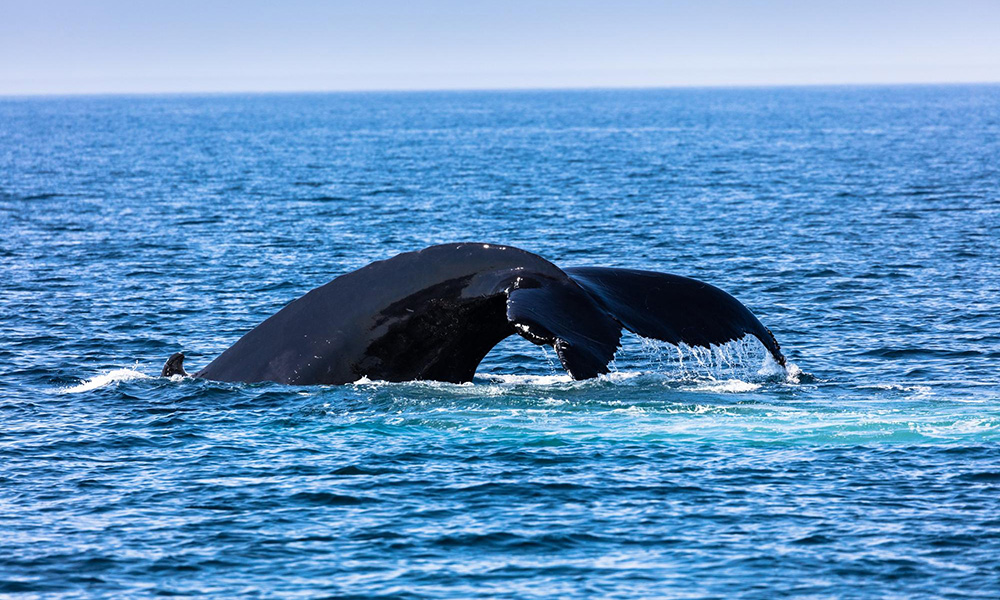
Sri Lanka has emerged as one of the world’s premier destinations for whale and dolphin watching, offering visitors the extraordinary opportunity to witness majestic blue whales, playful spinner dolphins, and diverse marine life in their natural habitat. As awareness grows about marine conservation, responsible whale watching has become essential to protecting these magnificent creatures while providing unforgettable experiences for travelers.
Why Choose Sri Lanka for Whale and Dolphin Watching?
The island nation’s unique geographic position along ancient cetacean migration routes makes it a hotspot for marine wildlife encounters. The continental shelf runs close to Sri Lanka’s southern and eastern coasts, creating deep-water channels where whales feed and travel. This natural advantage means you can spot these gentle giants just a few nautical miles from shore.
What Makes Sri Lankan Waters Special?
Sri Lanka’s warm tropical waters host over 26 species of cetaceans, including:
- Blue whales – the largest animals on Earth
- Sperm whales – deep-diving giants
- Bryde’s whales – year-round residents
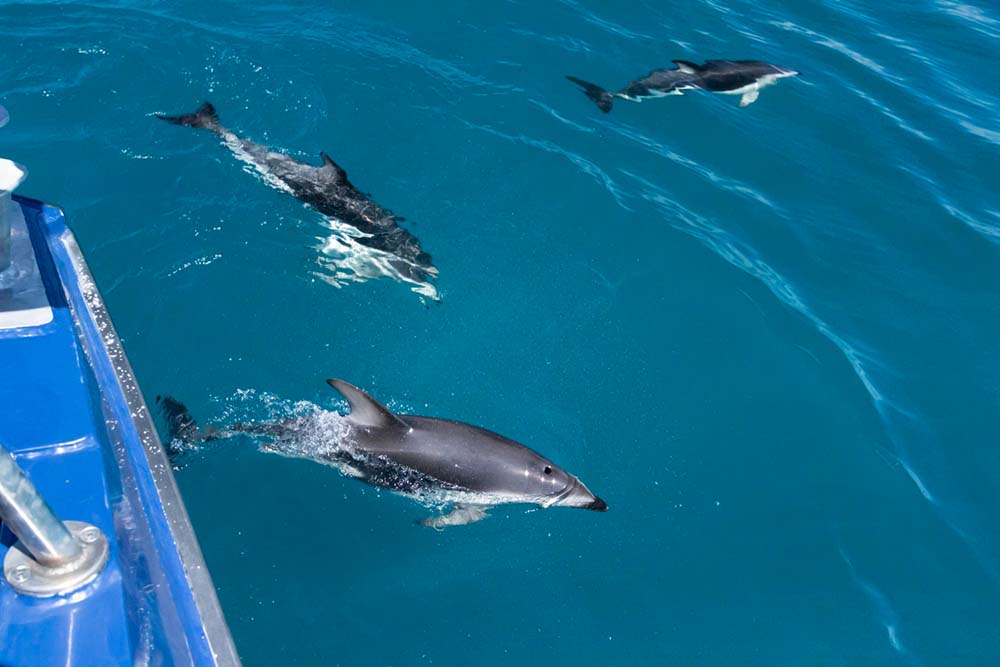
- Spinner dolphins – known for their acrobatic displays
- Bottlenose dolphins – intelligent and curious
- Risso’s dolphins – distinctive gray coloring
With such incredible biodiversity, Sri Lanka offers whale watching experiences that rival anywhere in the world. Plan your Sri Lankan wildlife adventure with experienced local guides who prioritize both your safety and marine conservation.
Best Locations for Whale Watching in Sri Lanka
1. Mirissa – The Whale Watching Capital
Located on the southern coast, Mirissa has earned its reputation as Sri Lanka’s premier whale watching destination. This charming fishing village transforms into a hub for marine enthusiasts between November and April.
What to expect in Mirissa:
- Blue whale sightings (80-90% success rate during peak season)
- Spinner dolphins in large pods
- Early morning departures (6:30-7:00 AM)
- 3-4 hour boat tours
- Calm seas and comfortable conditions
The proximity of the continental shelf to Mirissa’s coastline means shorter boat rides and more time observing whales. Many visitors combine their whale watching tour with exploring Mirissa’s beautiful beaches and vibrant food scene.
2. Trincomalee – East Coast Wonder
On Sri Lanka’s northeastern coast, Trincomalee offers exceptional whale and dolphin watching from March to August, perfectly complementing Mirissa’s season.
Trincomalee highlights:
- Blue whales and sperm whales
- Large pods of dolphins
- Fewer crowds than southern coast
- Pristine beaches and historic sites nearby
- Extended season into late summer
Trincomalee’s natural harbor, one of the finest in the world, provides protected waters ideal for marine life observation. Explore our East Coast tour packages that combine whale watching with cultural experiences.
3. Kalpitiya – Dolphin Paradise
The Kalpitiya Peninsula on the northwestern coast is renowned for incredible dolphin encounters, particularly spinner dolphins that perform breathtaking aerial displays.
Kalpitiya experiences:
- Super pods of spinner dolphins (sometimes hundreds)
- Year-round dolphin watching
- Occasional whale sightings
- Kitesurfing and water sports combination
- Pristine lagoons and mangroves
While Kalpitiya sees fewer blue whales than Mirissa or Trincomalee, the dolphin encounters here are absolutely spectacular and worth the journey.
What is Responsible Whale Watching?
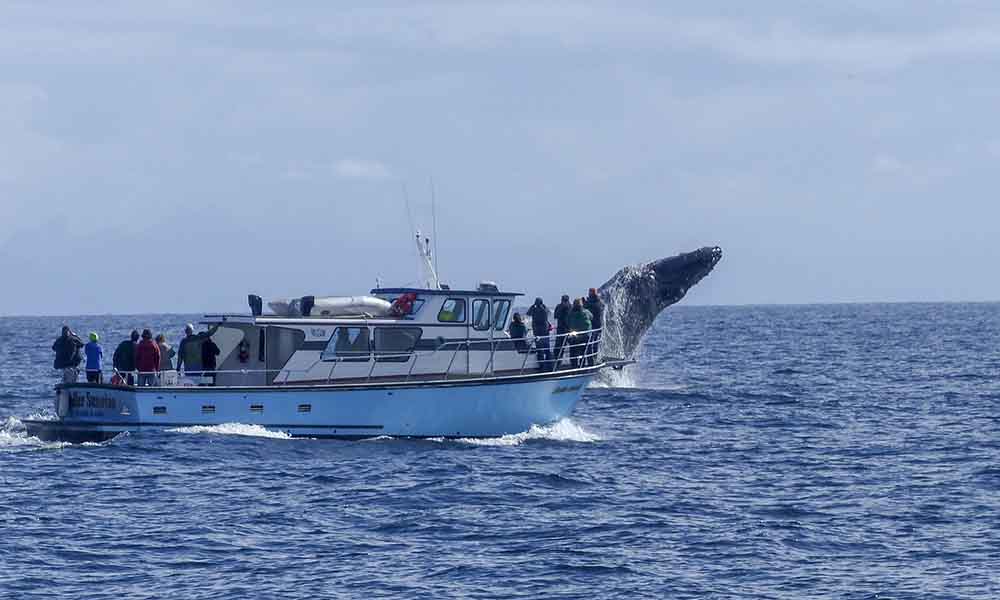
Responsible whale watching means observing these magnificent creatures without causing them stress, disruption, or harm. As tourism grows in Sri Lanka, adhering to ethical guidelines ensures that future generations can also enjoy these experiences while protecting vulnerable marine populations.
Key Principles of Ethical Whale Watching
1. Maintain Safe Distances Boats should stay at least 100 meters from whales and 50 meters from dolphins. Closer approaches should only occur if animals approach the vessel voluntarily.
2. Limit Time with Animals Responsible operators limit observation time to 30 minutes per whale or pod, preventing exhaustion and allowing animals to continue natural behaviors.
3. Reduce Noise and Speed Engines should run at slow speeds near cetaceans. Sudden movements, loud noises, and erratic boat behavior can startle and stress marine wildlife.
4. Never Chase or Encircle Ethical boats never pursue whales or dolphins, and multiple boats should never surround animals, blocking escape routes.
5. Respect Breeding and Feeding Mothers with calves require extra space and minimal disturbance. Feeding whales should be observed from greater distances to avoid interrupting this critical behavior.
Choosing a Responsible Tour Operator
Not all whale watching tours in Sri Lanka follow ethical guidelines. Here’s how to identify responsible operators:
Questions to Ask Before Booking
- Are your captains trained in marine wildlife observation protocols?
- What distance do you maintain from whales and dolphins?
- How many boats do you send out, and do you coordinate with other operators?
- Do you limit the number of passengers per boat?
- Are life jackets and safety equipment provided?
- Do you contribute to marine conservation efforts?
Red Flags to Avoid
- Operators guaranteeing whale sightings
- Boats that chase or closely pursue animals
- Overcrowded vessels with poor safety standards
- Companies offering swimming with wild whales or dolphins
- Tours with no educational component about conservation
Ceylon Tour Guides partners exclusively with certified, responsible operators who follow international best practices for marine wildlife observation.
Best Time for Whale Watching in Sri Lanka
Sri Lanka’s unique position means whale watching is possible nearly year-round, with different seasons favoring different coasts.
Southern Coast Season (Mirissa)
November to April – Peak season
- Calmest seas
- Highest blue whale sighting rates
- Warm, dry weather
- December to March offers best conditions
Eastern Coast Season (Trincomalee)
March to August – Best months
- Avoids southwest monsoon
- Excellent blue whale and sperm whale sightings
- April to July provides optimal conditions
- Fewer tourists than southern coast
Northwestern Coast (Kalpitiya)
November to March – Prime dolphin season
- Year-round dolphin watching possible
- Occasional whale sightings
- Best weather and sea conditions
Planning your visit during peak season increases your chances of memorable encounters while enjoying comfortable sea conditions.
What to Expect on Your Whale Watching Tour
Typical Tour Structure
Most whale watching tours in Sri Lanka follow a similar format:
Pre-departure (6:00-6:30 AM): Registration, safety briefing, and boarding. Early starts are essential as whales are most active in morning hours when seas are calmest.
Journey to Whale Territory (30-60 minutes): Boats travel to deep water areas where whales are commonly sighted. Guides share information about marine life and conservation.
Whale Watching (2-3 hours): Once whales or dolphins are spotted, boats position carefully for optimal viewing while maintaining safe distances. Patience is key as whales surface periodically to breathe.
Return Journey (30-60 minutes): Boats return to shore, usually arriving back between 10:30 AM and 12:00 PM.
Wildlife You Might Encounter
While blue whales are the headline attraction, Sri Lankan waters offer incredible diversity:
- Blue whales – up to 30 meters long, often seen with distinctive blow spouts
- Sperm whales – identifiable by their square heads and powerful dives
- Spinner dolphins – performing spectacular spinning leaps
- Bottlenose dolphins – often approaching boats out of curiosity
- Sea turtles – five species including endangered leatherbacks
- Flying fish – skimming across water surfaces
- Various seabirds – including tropicbirds and frigatebirds
Remember, wildlife sightings are never guaranteed. Nature operates on its own schedule, which is part of what makes these encounters so special.
Essential Tips for Your Whale Watching Adventure
What to Bring
- Sun protection: High SPF sunscreen, hat, sunglasses
- Layers: Mornings can be cool on the water; bring a light jacket
- Motion sickness prevention: Ginger tablets or medication if prone to seasickness
- Camera with zoom lens: For capturing distant wildlife (no flash)
- Binoculars: For spotting distant blows and fins
- Water bottle: Stay hydrated during the tour
- Cash: For tips and any additional expenses
Photography Etiquette
- Never use flash photography around whales or dolphins
- Avoid drones unless specifically permitted
- Focus on experiencing the moment rather than just capturing it
- Respect requests from guides about when to photograph
- Share photos responsibly on social media with conservation messages
Seasickness Management
Even experienced sailors can feel queasy on smaller boats. Tips to minimize discomfort:
- Eat a light meal before departure, avoiding heavy or greasy foods
- Focus on the horizon rather than looking down
- Stay in the middle of the boat where movement is minimal
- Take preventive medication 30-60 minutes before boarding
- Fresh air and ginger can help if you start feeling unwell
Conservation Challenges Facing Sri Lankan Whales
Despite Sri Lanka’s incredible marine biodiversity, cetaceans face numerous threats:
Ship Strikes
Sri Lanka lies along one of the world’s busiest shipping lanes. Large vessels traveling at high speeds occasionally collide with whales, causing injuries or death. Conservation groups are working to establish traffic separation schemes and speed reduction zones.
Plastic Pollution
Marine debris, particularly plastic waste, poses serious risks. Whales and dolphins can ingest plastic or become entangled in fishing gear.
Overfishing
Depleting fish stocks affects whale and dolphin food sources. Responsible fishing practices and marine protected areas help maintain ecosystem balance.
Climate Change
Rising ocean temperatures and changing currents may affect migration patterns and food availability for cetaceans.
Irresponsible Tourism
Unregulated whale watching with boats chasing, overcrowding, and harassing animals causes stress and disrupts natural behaviors.
How Your Tour Supports Conservation
When you choose responsible whale watching operators, your tourism dollars directly support marine conservation:
- Funding marine research and monitoring programs
- Supporting local communities economically, reducing dependence on fishing
- Educating visitors about marine ecosystems and conservation needs
- Providing data on whale populations and movements
- Advocating for stronger marine protection policies
Many ethical operators contribute portions of their revenue to organizations like the Sri Lanka Wildlife Conservation Society and Blue Whale Project, which conduct vital research on cetacean populations.
Combining Whale Watching with Other Experiences
Sri Lanka offers countless attractions beyond whale watching. Explore comprehensive Sri Lanka tour packages that combine marine adventures with:
Southern Coast Experiences
- Galle Fort UNESCO World Heritage Site
- Unawatuna and Hikkaduwa beaches
- Sinharaja Rainforest
- Turtle hatcheries
- Traditional stilt fishing demonstrations
Eastern Coast Adventures
- Trincomalee’s historic temples
- Pigeon Island National Park snorkeling
- Nilaveli and Uppuveli beaches
- Hot springs at Kanniya
- Whale watching combined with cultural tours
Northwestern Highlights
- Kalpitiya’s pristine beaches
- Wilpattu National Park safaris
- Mangrove kayaking
- Ancient Buddhist sites
- Traditional fishing village experiences
Whale Watching for Families
Whale watching can be a wonderful family experience with proper preparation:
Age Considerations
Most operators accept children aged 5 and above, though some have minimum age requirements of 8-10 years for safety reasons.
Family-Friendly Tips
- Book tours with larger, more stable boats
- Bring snacks and entertainment for waiting periods
- Prepare children for the possibility of not seeing whales
- Choose operators with good safety records and family experience
- Consider shorter tour options if available
Educational Value
Whale watching offers incredible learning opportunities about marine biology, conservation, ecology, and responsible tourism. Many children find the experience transformative, developing lasting appreciation for ocean conservation.
Sustainable Tourism Practices
As a responsible traveler, you can minimize your environmental impact:
- Choose certified eco-friendly tour operators
- Avoid single-use plastics; bring reusable water bottles
- Respect all wildlife and marine environments
- Support local businesses and communities
- Share your experiences to promote conservation awareness
- Provide feedback to operators about their practices
- Consider carbon offsetting for travel emissions
Planning Your Responsible Whale Watching Tour
Ready to witness these magnificent creatures? Here’s how to plan your ethical whale watching adventure:
Booking Process
- Research responsible operators with good reviews and certifications
- Verify their commitment to ethical wildlife observation practices
- Book in advance during peak season (especially December-March)
- Confirm departure times, meeting points, and what’s included
- Understand cancellation policies related to weather conditions
Weather Considerations
Tours may be cancelled due to rough seas or adverse weather. Operators prioritize safety over profits. Be flexible with your schedule and have backup plans.
Budget Expectations
Responsible whale watching tours in Sri Lanka typically cost between $40-$80 USD per person, depending on location, boat size, and services included. While budget options exist, extremely cheap tours often cut corners on safety and ethical practices.
Accessibility
Most standard whale watching boats have limited accessibility for individuals with mobility challenges. However, some operators offer specialized tours with appropriate accommodations. Contact Ceylon Tour Guides to discuss accessibility requirements and find suitable options.
The Future of Whale Watching in Sri Lanka
Sri Lanka stands at a crossroads. Growing tourism brings economic benefits but also risks to marine ecosystems if not properly managed. The future of whale watching depends on:
- Implementing and enforcing comprehensive regulations
- Mandatory training and certification for boat operators
- Establishing marine protected areas
- Limiting the number of boats in whale watching areas
- Continuing research and monitoring programs
- Educating both operators and tourists about best practices
By choosing responsible operators and practicing ethical wildlife observation, every visitor contributes to ensuring that Sri Lanka’s incredible marine wildlife thrives for generations to come.
Conclusion: Your Role in Conservation
Whale and dolphin watching in Sri Lanka offers one of nature’s most awe-inspiring experiences. The moment a blue whale surfaces beside your boat, exhaling a powerful blow into the tropical air, time seems to stop. These encounters remind us of the ocean’s majesty and our responsibility to protect it.
By choosing responsible whale watching tours, you become part of the solution. Your conscious tourism decisions support conservation efforts, sustainable livelihoods for coastal communities, and the long-term survival of these magnificent marine mammals.
Book your responsible whale watching tour with Ceylon Tour Guides today and experience the wonder of Sri Lanka’s marine life while supporting ethical, sustainable tourism practices. Together, we can ensure that these gentle giants continue to grace Sri Lankan waters for generations to come.
Ready to witness the majesty of blue whales in their natural habitat? Contact Ceylon Tour Guides to plan your responsible whale watching adventure in Sri Lanka today!


