Exploring Forgotten Villages of Sri Lanka: A Journey Beyond the Tourist Trail
Sri Lanka’s forgotten villages offer travelers an authentic glimpse into the island’s soul, far from the crowded beaches and bustling cities. These hidden gems scattered across the countryside preserve centuries-old traditions, showcase stunning rural landscapes, and welcome visitors with genuine warmth that defines true Sri Lankan hospitality.
Why Visit Sri Lanka’s Hidden Villages?
While many tourists flock to Colombo, Kandy, and Galle, the real magic of Sri Lanka lies in its forgotten villages where time seems to stand still. These remote settlements offer immersive cultural experiences that reveal the authentic heart of Ceylon’s heritage.
Visiting rural villages in Sri Lanka allows you to witness traditional crafts, taste home-cooked authentic cuisine, and interact with local communities who maintain ancient customs passed down through generations. It’s sustainable tourism at its finest, directly supporting rural economies while preserving cultural heritage.
Top Forgotten Villages to Explore in Sri Lanka
1. Meemure Village
Nestled in the Knuckles Mountain Range, Meemure is one of Sri Lanka’s most isolated villages. This remote settlement can only be reached by crossing rivers and navigating winding mountain roads, making it a perfect destination for adventurous travelers seeking authentic Sri Lankan village life.
The villagers maintain traditional farming methods, and you’ll witness paddy cultivation techniques unchanged for centuries. The surrounding misty mountains and pristine nature make Meemure a paradise for hikers and nature enthusiasts.
2. Ritigala Village
Near the ancient Ritigala monastery ruins, this forgotten village offers insight into Buddhist heritage and traditional Sri Lankan architecture. The community here has preserved age-old agricultural practices and continues to live in harmony with the surrounding forest reserve.
Visitors can explore ancient irrigation systems, observe traditional pottery making, and learn about indigenous medicinal plants used in Ayurvedic treatments.
3. Heeloya Village
Located in the Badulla District, Heeloya represents authentic rural Sri Lanka away from tourist circuits. This village is famous for traditional handloom weaving and organic tea cultivation. Walking through terraced paddy fields and tea estates surrounding Heeloya provides breathtaking photographic opportunities.
4. Ranchamadama Village
Situated near Wellawaya, Ranchamadama village sits at the edge of Lunugamvehera National Park. This hidden village offers unique opportunities to combine cultural tourism with wildlife experiences. Local guides can arrange village walks followed by safari adventures.
5. Mahakalupahana Village
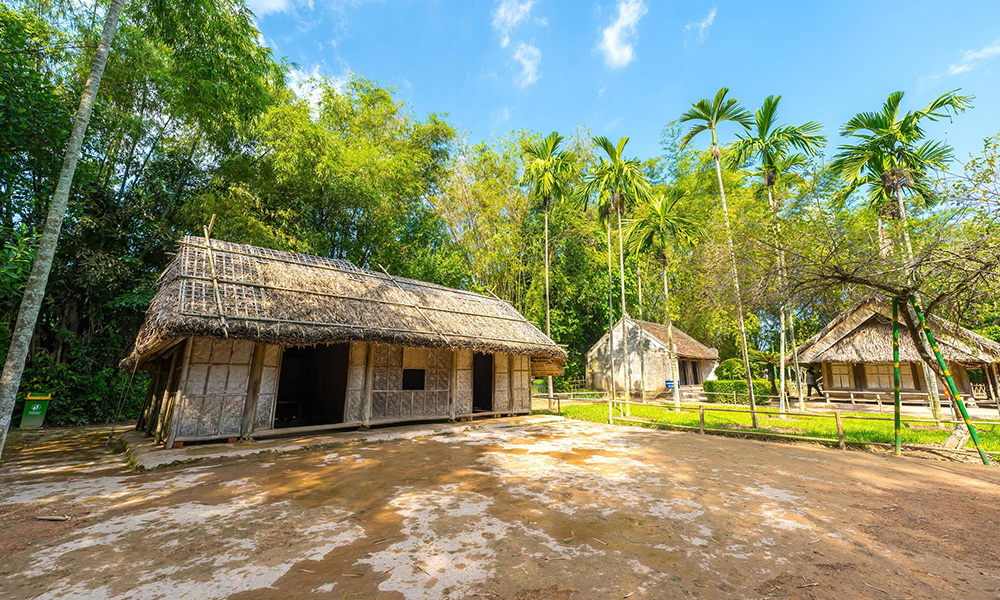
Deep in the Uva Province, Mahakalupahana village maintains traditional Sri Lankan architecture with mud houses and thatched roofs. The village is renowned for its organic farming communities and traditional dance performances during harvest festivals.
Authentic Experiences in Sri Lanka’s Rural Villages
Traditional Cuisine and Cooking Experiences
Forgotten villages of Sri Lanka offer some of the most authentic culinary experiences on the island. Unlike restaurant food adapted for tourist palates, village cooking uses organic ingredients harvested from home gardens and prepared using traditional methods.
Join village families for cooking demonstrations where you’ll learn to prepare authentic rice and curry, hoppers, and traditional sweets. These hands-on experiences often include visits to local markets and spice gardens.
Traditional Crafts and Artisan Workshops
Many hidden villages specialize in traditional crafts including handloom weaving, pottery, brass work, and wood carving. Visiting artisan workshops provides insight into skills passed down through generations and offers opportunities to purchase authentic handicrafts directly from makers.
Supporting these traditional crafts helps preserve cultural heritage while providing sustainable income for rural communities.
Agricultural Tourism and Farm Stays
Experience traditional paddy farming, witness buffalo plowing techniques, and participate in seasonal harvest festivals. Several forgotten villages now offer farm stay accommodations where visitors can immerse themselves in authentic agricultural life.
From sunrise rice field walks to evening bullock cart rides, these experiences connect travelers with Sri Lanka’s agricultural heritage in meaningful ways.
Best Time to Visit Sri Lanka’s Hidden Villages
The ideal time for exploring forgotten villages in Sri Lanka depends on the region. Generally, the dry seasons from December to March on the west and south coasts, and May to September on the east coast, offer the best weather for village exploration.
However, visiting during monsoon seasons can provide unique experiences like witnessing traditional rain rituals and observing how communities adapt to seasonal changes. The countryside becomes lush and green, offering spectacular scenery for photographers.
How to Reach Sri Lanka’s Remote Villages
Accessing forgotten villages often requires careful planning. Many remote settlements lack public transportation, making private vehicles or experienced local guides essential. Ceylon Tour Guides offers customized village tourism packages with knowledgeable guides who understand rural communities and can facilitate authentic cultural exchanges.
Four-wheel drive vehicles are recommended for villages in mountainous regions like Meemure, while some coastal villages can be reached by tuk-tuk or bicycle for a more adventurous approach.
Responsible Tourism in Rural Sri Lanka
When visiting forgotten villages, practicing responsible tourism is crucial. These guidelines ensure your visit benefits local communities while preserving their cultural integrity:
Respect local customs and traditions. Dress modestly, remove shoes when entering homes, and ask permission before photographing people.
Support local economies directly. Purchase handicrafts from artisans, eat at family-run eateries, and hire local guides from the villages you visit.
Minimize environmental impact. Carry reusable water bottles, dispose of waste properly, and avoid single-use plastics in rural areas lacking waste management infrastructure.
Engage meaningfully with communities. Learn a few Sinhala or Tamil phrases, show genuine interest in local culture, and exchange knowledge respectfully rather than simply observing.
Planning Your Village Tour with Ceylon Tour Guides
Ceylon Tour Guides specializes in off-the-beaten-path experiences throughout Sri Lanka. Our expert local guides possess deep knowledge of forgotten villages and maintain respectful relationships with rural communities.
We design customized itineraries that combine village visits with complementary experiences like wildlife safaris, heritage site tours, and nature trekking. Whether you’re interested in cultural immersion, photography opportunities, or sustainable tourism, our team creates authentic Sri Lankan adventures tailored to your interests.
What to Pack for Village Exploration
Comfortable walking shoes are essential for navigating rural paths and uneven terrain. Lightweight, modest clothing suitable for tropical climates respects local customs while keeping you comfortable.
Bring insect repellent, sunscreen, and a reusable water bottle. A small daypack for carrying essentials during village walks is practical. Consider packing small gifts like school supplies or seeds for home gardens if your guide suggests this would be appropriate and welcomed.
Accommodation Options Near Hidden Villages
While some forgotten villages now offer homestay experiences, others require staying in nearby towns. Ceylon Tour Guides can arrange accommodation ranging from rustic village homes to comfortable guesthouses in neighboring areas.
Homestays provide the most immersive experience, allowing you to live with local families and participate in daily village life. This direct interaction creates meaningful cultural exchange and ensures tourism revenue benefits communities directly.
Combining Village Tours with Other Sri Lankan Attractions
Forgotten village exploration pairs perfectly with other Sri Lankan experiences. Combine visits to remote villages with treks through the Knuckles Mountain Range, wildlife safaris in nearby national parks, or visits to ancient cultural sites.
Many hidden villages are located near famous landmarks but remain overlooked by rushed itineraries. Taking time to explore these settlements enriches your understanding of Sri Lankan culture and provides balance between popular attractions and authentic local experiences.
The Future of Rural Tourism in Sri Lanka
As sustainable travel gains importance, Sri Lanka’s forgotten villages are increasingly recognized as valuable tourism assets. Community-based tourism initiatives empower villagers to share their heritage while maintaining traditional lifestyles.
By visiting these hidden gems, travelers contribute to economic development that preserves rather than destroys traditional culture. This form of tourism offers hope for rural communities facing migration to cities, providing economic opportunities while maintaining cultural identity.
Start Your Village Adventure Today
Exploring forgotten villages of Sri Lanka offers transformative travel experiences that stay with you long after you’ve returned home. These authentic encounters with rural communities, traditional crafts, and timeless landscapes reveal the true spirit of Ceylon.
Ready to discover Sri Lanka’s hidden villages? Contact Ceylon Tour Guides today to plan your customized village tourism adventure. Our experienced local guides will create an itinerary that takes you beyond the tourist trail into the authentic heart of Sri Lanka.
Whether you’re seeking cultural immersion, photography opportunities, or simply want to experience life in rural Sri Lanka, our team ensures your village exploration is safe, respectful, and unforgettable.
About Ceylon Tour Guides: Ceylon Tour Guides is your trusted partner for authentic Sri Lankan travel experiences. Our expert local guides specialize in off-the-beaten-path adventures, cultural tours, and sustainable tourism throughout the island.