
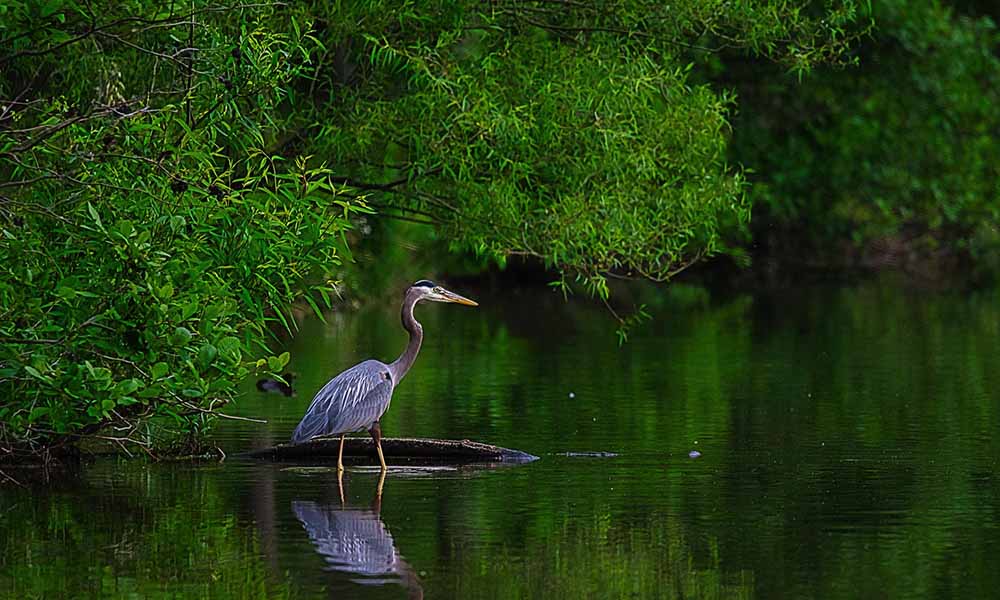
Exploring Sri Lanka’s Wetlands: Kitulgala, Madu River & More
Sri Lanka’s wetlands are among the island’s most spectacular yet underrated natural treasures. From the rushing rapids of Kitulgala to the serene mangrove channels of Madu River, these biodiverse ecosystems offer unforgettable experiences for nature lovers and adventure seekers alike. Whether you’re planning your first visit or returning to explore deeper, this comprehensive guide will help you discover the best wetland destinations across Sri Lanka.
Why Visit Sri Lanka’s Wetlands?
Sri Lanka’s wetlands cover approximately 200,000 hectares and host an incredible array of wildlife, including endemic birds, reptiles, and plant species found nowhere else on Earth. These fragile ecosystems play a crucial role in flood control, water purification, and supporting local communities. For travelers, they offer unique opportunities to experience Sri Lanka’s natural beauty away from crowded tourist circuits.
Kitulgala: Where Rainforest Meets Rapids
Nestled in the wet zone of Sri Lanka, Kitulgala is a haven for adventure enthusiasts and nature photographers. This lush rainforest region, located approximately 90 kilometers from Colombo, gained international fame as a filming location for “The Bridge on the River Kwai.”
White Water Rafting in Kitulgala
The Kelani River thunders through Kitulgala, creating perfect conditions for white water rafting. Rapids range from Grade 2 to Grade 4, making it suitable for both beginners and experienced rafters. The best time for rafting is during the southwest monsoon season from May to December when water levels are optimal.
Birdwatching and Biodiversity
Kitulgala rainforest is a premier birdwatching destination in Sri Lanka. The area is home to over 50 bird species, including the endemic Sri Lanka blue magpie, yellow-fronted barbet, and Ceylon grey hornbill. Early morning excursions offer the best chances to spot these colorful residents.
Trekking and Waterfall Exploration
Beyond rafting, Kitulgala offers excellent jungle trekking opportunities. Trails lead through dense rainforest to hidden waterfalls and natural pools. The Makandawa Forest Reserve nearby provides additional hiking options through pristine primary rainforest.
Madu River: A Mangrove Paradise
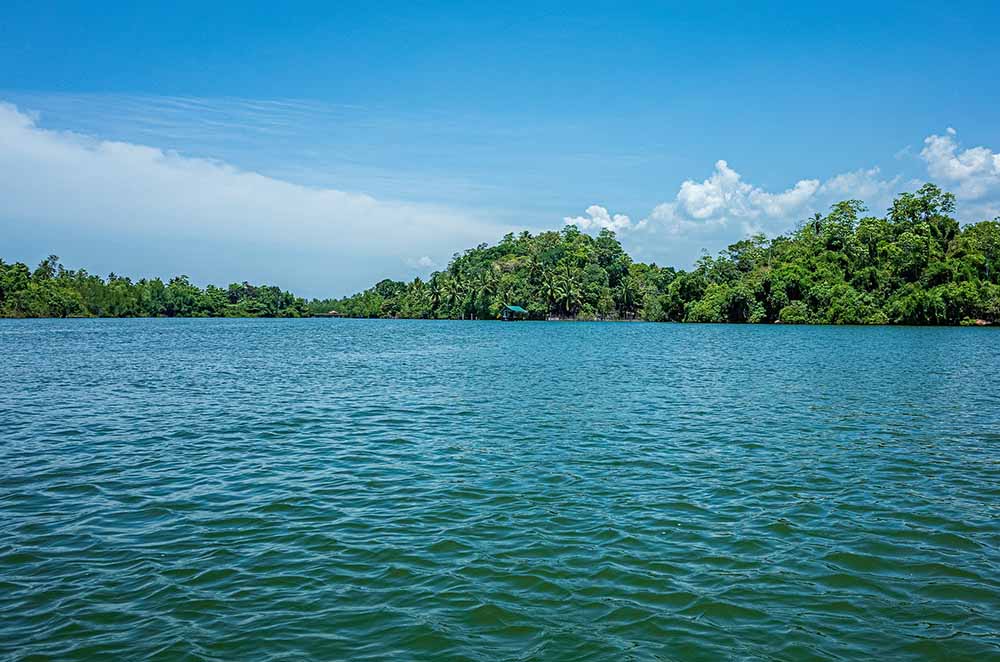
The Madu River wetland system in southern Sri Lanka near Balapitiya is one of the island’s most ecologically significant areas. This sprawling wetland complex encompasses 15 islands, dense mangrove forests, and connects to the Randombe Lake.
Madu River Boat Safari
A boat tour through Madu River is an essential Sri Lanka experience. Glide through narrow mangrove channels where monitor lizards bask on branches and kingfishers dart between trees. Local guides expertly navigate the waterways while sharing knowledge about the ecosystem and traditional uses of mangrove plants.
Island Temples and Cinnamon Production
Several islands in the Madu River system host ancient Buddhist temples, including the historic Kothduwa Temple. Visitors can also learn about traditional cinnamon production methods at small family-run operations on the islands, where cinnamon bark is still harvested and processed using centuries-old techniques.
Best Time to Visit Madu River
The Madu River can be visited year-round, though the cooler months from November to March offer the most comfortable conditions. Early morning tours provide the best wildlife viewing opportunities and atmospheric lighting for photography.
Muthurajawela Marsh: Colombo’s Wetland Wonder
Just 30 kilometers north of Colombo, the Muthurajawela Marsh Sanctuary protects a 3,000-hectare coastal peat bog. This easily accessible wetland makes an excellent day trip from the capital and offers a surprising abundance of wildlife.
Wildlife Watching at Muthurajawela
The marsh supports over 190 species of flora and 209 species of fauna. Purple herons, painted storks, and cormorants are commonly spotted, along with water monitors, mugger crocodiles, and fishing cats. Boat tours through the narrow channels provide intimate encounters with this biodiverse ecosystem.
Conservation and Community Tourism
Muthurajawela plays a vital role in filtering water entering the Negombo Lagoon and protecting coastal areas from flooding. Community-based tourism initiatives here provide sustainable livelihoods while promoting wetland conservation.
Bellanwila Attidiya Sanctuary: Urban Wetland Refuge
Located in the southern suburbs of Colombo, the Bellanwila Attidiya Sanctuary protects 74 hectares of marsh and open water. This Ramsar site is particularly important for migratory waterfowl.
Birdwatching Excellence
The sanctuary attracts both resident and migratory birds, with species counts exceeding 100. Lesser whistling ducks, pheasant-tailed jacanas, and various species of herons and egrets are regular sights. The winter months bring migrant species from northern Asia.
Bundala National Park: Coastal Wetlands and Flamingos
While famous for its lagoons and salt pans, Bundala National Park in southern Sri Lanka encompasses diverse wetland habitats. The park is a crucial stopover point for migratory birds, including thousands of greater flamingos that arrive between September and April.
Safari Experience
Jeep safaris through Bundala offer opportunities to spot elephants, crocodiles, and an impressive array of waterbirds. The park’s varied landscape includes beaches, dunes, scrublands, and wetlands, creating exceptional biodiversity.
Planning Your Sri Lankan Wetland Adventure
Best Time to Visit
Sri Lanka’s wetlands can be visited throughout the year, but timing depends on your interests. The dry season from December to March is ideal for general touring, while the southwest monsoon from May to September brings lush conditions to western and southern wetlands. For birdwatching, the northern winter months bring migrant species.
What to Bring
Essential items include binoculars for wildlife watching, waterproof bags for electronics, insect repellent, sunscreen, and comfortable walking shoes. A good camera with a telephoto lens will help capture memorable wildlife moments.
Hiring Expert Guides
Working with experienced local guides enhances your wetland experience significantly. They possess intimate knowledge of wildlife behavior, seasonal patterns, and the best viewing locations. Professional tour guides can customize itineraries to match your specific interests and ensure safe, responsible wildlife encounters.
Conservation and Responsible Tourism
Sri Lanka’s wetlands face pressures from development, pollution, and climate change. As visitors, we can support conservation by choosing responsible tour operators, avoiding littering, maintaining respectful distances from wildlife, and supporting community-based tourism initiatives.
Many wetlands employ local communities as guides and boat operators, creating economic incentives for conservation. Your tourism spending directly contributes to protecting these vital ecosystems.
Combining Wetland Visits with Other Attractions
Sri Lanka’s compact size makes it easy to combine wetland exploration with other experiences. Kitulgala pairs perfectly with visits to Adam’s Peak or the tea country. Madu River tours can be combined with whale watching in Mirissa or exploring Galle Fort. Muthurajawela works well as part of a Colombo city tour or before heading to the airport.
Conclusion: Immerse Yourself in Sri Lanka’s Wetland Wonders
From the adrenaline rush of rafting in Kitulgala to the peaceful contemplation of a mangrove boat safari on Madu River, Sri Lanka’s wetlands offer experiences that connect you deeply with nature. These ecosystems showcase the island’s incredible biodiversity while providing adventure, relaxation, and photographic opportunities.
Whether you’re a dedicated birder, adventure traveler, or simply seeking unique experiences off the beaten path, Sri Lanka’s wetlands deserve a prominent place in your itinerary. Start planning your wetland adventure today with Ceylon Tour Guides and discover these remarkable ecosystems that make Sri Lanka truly extraordinary.
Ready to explore Sri Lanka’s wetlands? Contact Ceylon Tour Guides to design your perfect wetland adventure with experienced local guides who know these ecosystems intimately.


