Nature Photography Guide: Capturing Sri Lanka’s Landscapes
Sri Lanka, the pearl of the Indian Ocean, offers nature photographers an extraordinary canvas of diverse landscapes, from misty highlands to pristine beaches and ancient rainforests. Whether you’re a professional photographer or an enthusiastic amateur, this island nation presents countless opportunities to capture breathtaking natural beauty.
Why Sri Lanka is a Nature Photographer’s Paradise
Sri Lanka’s compact size belies its incredible biodiversity and landscape variety. Within a few hours of travel, you can move from tropical coastlines to cloud-covered mountains, making it one of the most rewarding destinations for landscape and wildlife photography in Asia.
The island’s eight UNESCO World Heritage Sites, numerous national parks, and varying climatic zones create a photographer’s dream destination. From the iconic Sigiriya Rock Fortress rising from the jungle to the tea-carpeted hills of Nuwara Eliya, every corner offers unique photographic opportunities.
Best Locations for Landscape Photography in Sri Lanka
Hill Country and Tea Plantations
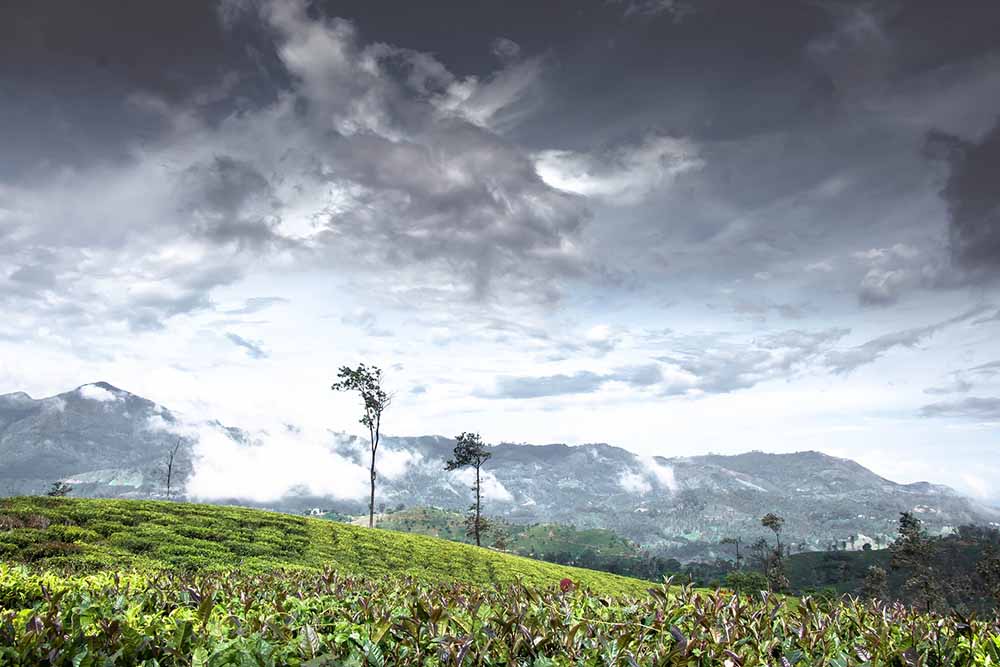
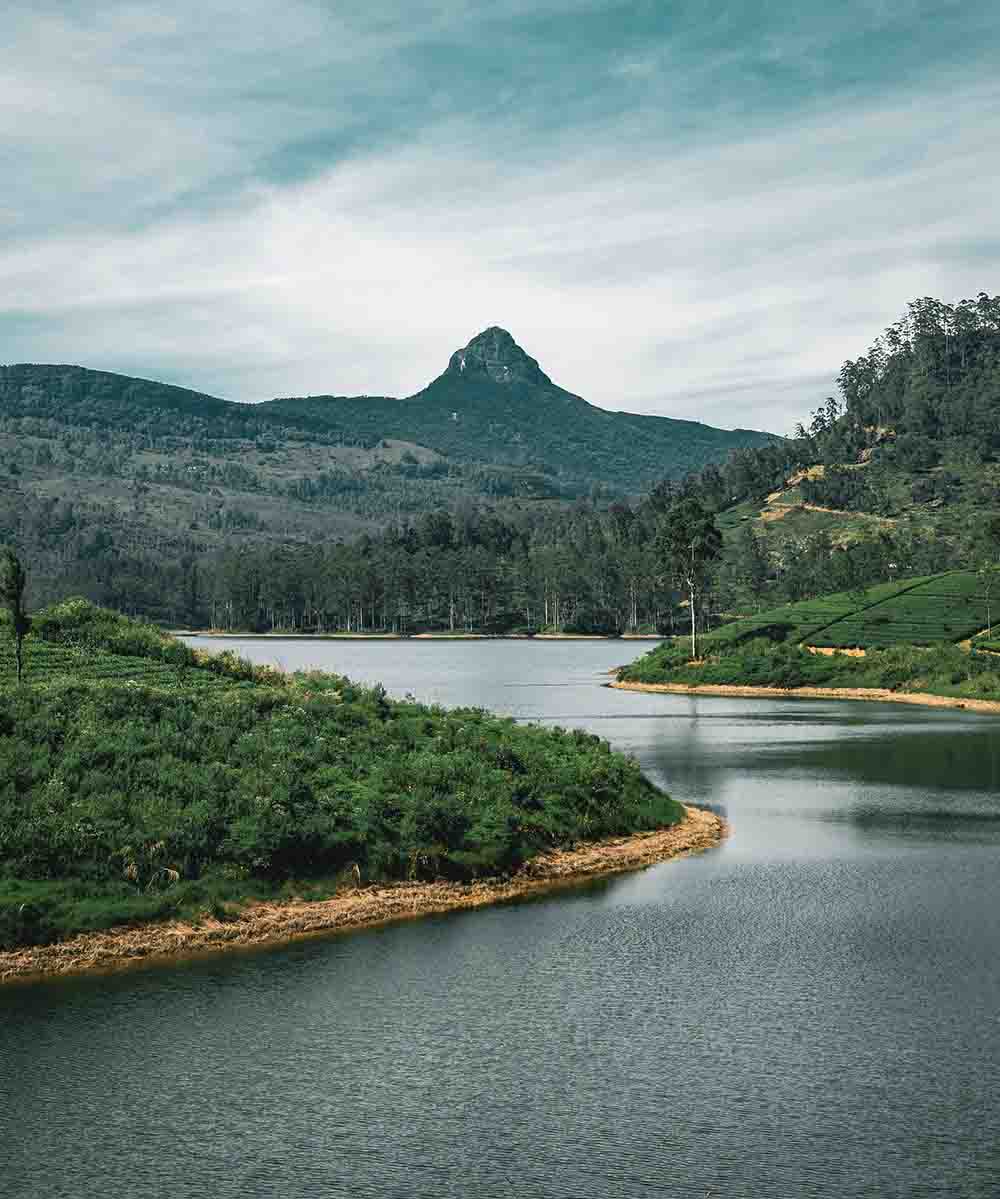
The central highlands of Sri Lanka provide some of the most iconic landscape photography opportunities. The region around Nuwara Eliya features rolling hills covered in emerald tea plantations, creating mesmerizing patterns that change throughout the day as light shifts across the landscape.
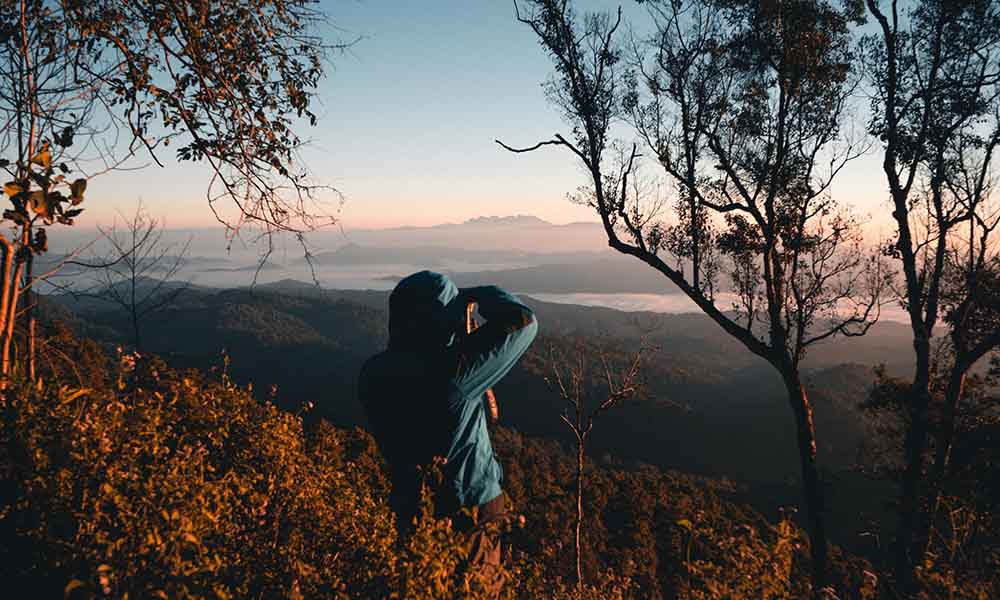
Ella is another must-visit destination for photographers. The viewpoint at Ella Rock offers panoramic vistas of the surrounding valleys, while the Nine Arch Bridge presents a perfect blend of colonial architecture and natural beauty. Early morning mist often creates ethereal conditions that transform ordinary scenes into magical photographs.
Coastal Landscapes
Sri Lanka’s 1,340-kilometer coastline offers diverse coastal photography opportunities. The southern coast, particularly around Mirissa and Unawatuna, features golden beaches framed by palm trees and turquoise waters. For dramatic seascapes, visit during the southwest monsoon (May to September) when powerful waves crash against rocky outcrops.
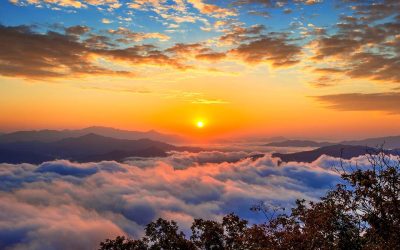
The eastern coast, including Arugam Bay and Pasikuda, provides calmer waters and spectacular sunrises. The contrast between the azure Indian Ocean and white sand beaches creates stunning color palettes, especially during golden hour.
National Parks and Wildlife Reserves
Yala National Park offers exceptional opportunities for wildlife photography alongside dramatic landscapes. The park’s varied terrain includes forests, grasslands, and coastal areas where wildlife congregates around waterholes, particularly during dry season (February to July).
Horton Plains National Park in the central highlands features World’s End, a dramatic cliff with a 4,000-foot drop offering spectacular views on clear mornings. The surrounding grasslands and cloud forests provide unique highland landscape photography opportunities.
Essential Photography Tips for Sri Lanka
Understanding Light and Weather
Sri Lanka’s tropical climate means weather can change rapidly, especially in the hill country. The golden hours—shortly after sunrise and before sunset—offer the softest, most flattering light for landscape photography. During these times, the warm tones enhance the natural colors of tea plantations, beaches, and ancient ruins.
The monsoon seasons, while challenging, create dramatic skies and unique atmospheric conditions. The southwest monsoon affects the west and south coasts (May to September), while the northeast monsoon impacts the east and north (October to January). Plan your photography locations according to these patterns.
Camera Settings for Different Scenarios
For landscape photography in bright tropical conditions, start with ISO 100-200 to maintain image quality. Use apertures between f/8 and f/16 for maximum depth of field when capturing sweeping vistas. A polarizing filter helps manage the intense tropical light and enhances blue skies and reduces glare from water surfaces.
When photographing waterfalls, numerous throughout Sri Lanka’s hill country, use slower shutter speeds (1/4 second to several seconds) to create that silky water effect. A neutral density filter becomes invaluable for achieving these longer exposures during daylight hours.
Composition Techniques
Use foreground elements to add depth to your landscape images. In tea plantations, include tea pickers in traditional attire working among the rows for scale and human interest. On beaches, incorporate fishing boats, palm trees, or rock formations to create more engaging compositions.
The rule of thirds works exceptionally well with Sri Lanka’s landscapes. Position horizons along the upper or lower third line, and place points of interest at the intersection points for more dynamic compositions.
Wildlife Photography Opportunities
Sri Lanka hosts an impressive array of wildlife, including elephants, leopards, sloth bears, and over 400 bird species. When photographing wildlife, respect maintains a safe distance and never interfere with natural behavior.
For bird photography, visit during the migratory season (November to April) when numerous species arrive from colder regions. Endemic species like the Sri Lankan junglefowl and blue magpie offer unique photographic opportunities found nowhere else on Earth.
Cultural and Historical Landscapes
Beyond natural landscapes, Sri Lanka’s ancient ruins and religious sites provide compelling photographic subjects. The Sigiriya Rock Fortress offers both architectural interest and panoramic landscape views from its summit. The ancient city of Polonnaruwa features stunning ruins set against beautiful natural backdrops.
Buddhist temples throughout the country, particularly in Kandy and Anuradhapura, combine spiritual significance with architectural beauty and natural settings that create powerful images.
Practical Considerations for Photography Tours
Equipment Recommendations
A wide-angle lens (16-35mm) proves essential for capturing expansive landscapes and interiors of ancient sites. A telephoto zoom (70-200mm or longer) becomes necessary for wildlife photography and isolating distant landscape elements.
Bring plenty of memory cards and backup batteries, as charging opportunities may be limited during extended tours to remote areas. A sturdy tripod supports long exposures and ensures sharp images in various conditions.
Working with Local Tour Guides
Partnering with experienced local tour guides significantly enhances your photography experience in Sri Lanka. Professional guides know the best locations, optimal timing for different sites, and can help navigate permits required for certain national parks and protected areas.
Local guides also understand seasonal variations in weather and wildlife activity, ensuring you visit locations when conditions are most favorable for photography. Their knowledge of lesser-known spots can lead to unique images away from typical tourist areas.
Best Time to Visit for Photography
The best months for photography in Sri Lanka depend on which regions you plan to visit. For the cultural triangle and hill country, January through April offers generally dry conditions with clear skies. The east coast is best from April to September, while the west and south coasts are optimal from December to March.
Consider visiting during the inter-monsoon periods (March-April and October-November) for opportunities to photograph dramatic skies and dynamic weather conditions.
Ethical Photography Practices
Respect local customs when photographing people, always asking permission before taking portraits. In religious sites, follow dress codes and photography restrictions. Many temples prohibit flash photography and require visitors to remove shoes.
Practice responsible wildlife photography by maintaining distance and never baiting animals for better shots. Support conservation efforts by choosing eco-friendly tour operators who prioritize sustainable tourism practices.
Post-Processing Your Sri Lanka Images
Sri Lanka’s vibrant colors often benefit from subtle enhancement in post-processing. Adjust white balance to accurately represent the warm tropical light or cooler mountain atmospheres. Increase vibrance slightly to bring out the rich greens of tea plantations and the blues of ocean waters without oversaturating.
For landscape images, use graduated filters to balance bright skies with darker foregrounds. Local adjustments can enhance specific areas without affecting the entire image, maintaining a natural appearance while maximizing visual impact.
Planning Your Photography Journey
Start planning your Sri Lanka photography adventure by researching specific locations and creating a shot list of must-capture scenes. Consider the diversity of landscapes and allocate sufficient time at each location to work with changing light conditions.
Book accommodations strategically to maximize photography time during golden hours. Staying near key locations allows you to arrive before sunrise and return after sunset for optimal lighting without long commutes.
Working with professional Ceylon tour guides streamlines logistics, allowing you to focus on photography while experts handle transportation, permits, and local knowledge. Their expertise ensures you make the most of your time capturing Sri Lanka’s stunning natural beauty.
Conclusion
Sri Lanka offers nature photographers an unparalleled combination of diverse landscapes, rich wildlife, and cultural heritage within a compact, accessible destination. From misty mountain peaks to sun-drenched beaches, every region presents unique opportunities to create stunning images.
The key to successful nature photography in Sri Lanka lies in thorough preparation, understanding local conditions, and working with knowledgeable guides who can unlock the island’s photographic treasures. Whether capturing the first light on tea plantations or the dramatic moment a leopard appears in Yala, Sri Lanka rewards patient, prepared photographers with images they’ll treasure forever.
Start planning your photography adventure today and discover why Sri Lanka ranks among the world’s most photogenic destinations for nature and landscape photography.