Sri Lanka’s Unique Flora and Botanical Gardens: A Paradise for Nature Lovers
Nestled in the Indian Ocean, Sri Lanka is a biodiversity hotspot that captivates botanists, nature enthusiasts, and travelers alike. Despite its compact size, this tropical island boasts over 3,000 flowering plant species, with nearly 25% found nowhere else on Earth. From mist-covered highlands adorned with rare orchids to coastal gardens showcasing exotic palms, Sri Lanka’s unique flora and world-renowned botanical gardens offer an unforgettable journey through nature’s most stunning creations.
Whether you’re planning your first visit or returning to explore deeper, this comprehensive guide will help you discover the botanical treasures that make Sri Lanka a must-visit destination for plant lovers and eco-tourists.
Why Sri Lanka’s Flora is Exceptionally Unique
Sri Lanka’s remarkable plant diversity stems from its varied climatic zones, ranging from tropical rainforests to montane cloud forests and arid lowlands. This diversity has created distinct ecological niches where endemic species thrive.
The island is home to approximately 830 endemic flowering plants, including stunning varieties of orchids, medicinal herbs, and towering hardwood trees. The endemic flora includes iconic species like the Ceylon ironwood, na tree, and the vibrant rhododendron arboreum that blankets the Horton Plains in crimson blooms.
Ancient spice gardens that once attracted colonial traders still flourish here, offering cinnamon, cardamom, and pepper plants in their natural habitat. These living repositories of botanical heritage make Sri Lanka an essential destination for anyone interested in tropical horticulture and conservation.
The Crown Jewels: Sri Lanka’s Premier Botanical Gardens
Royal Botanic Gardens, Peradeniya
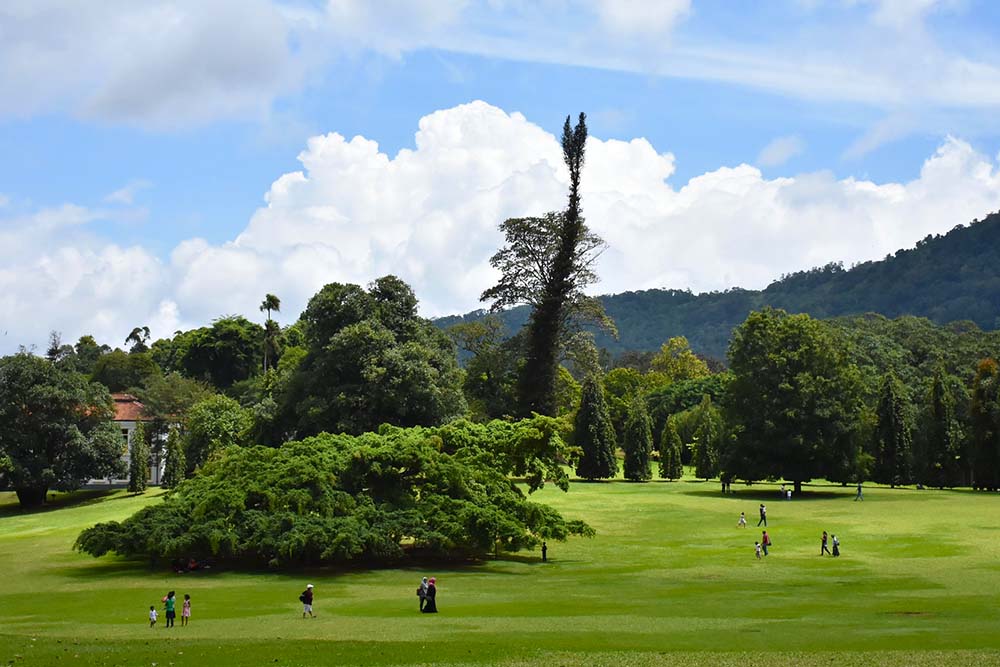
Located just outside Kandy, the Royal Botanic Gardens Peradeniya stands as Sri Lanka’s largest and most magnificent botanical garden. Spanning 147 acres along the Mahaweli River, these gardens were originally created as a pleasure garden for Kandyan royalty in 1371 before transforming into a botanical research center in 1821.
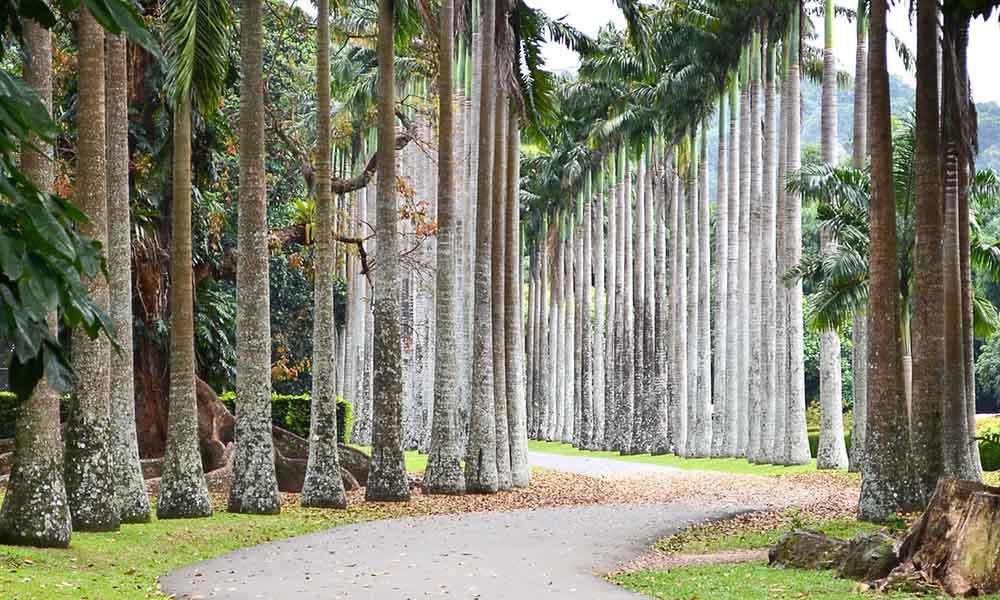
Peradeniya showcases over 4,000 plant species, including an extraordinary orchid house featuring more than 300 varieties. The avenue of royal palms, planted in 1905, creates a majestic entrance, while the giant Javan fig tree with its sprawling canopy covers nearly 2,500 square meters. The spice garden, bamboo collection, and medicinal plants section offer educational insights into Sri Lanka’s botanical wealth.
Visitors can spend hours wandering through themed sections including the fernery, cacti garden, and the suspension bridge that offers panoramic views of the Mahaweli River. The gardens are open daily from 7:30 AM to 5:00 PM, with early morning visits recommended to avoid crowds and enjoy the cooler temperatures.
Planning tip: Combine your visit to Peradeniya with a tour of Kandy to explore the Temple of the Tooth and other cultural attractions nearby.
Hakgala Botanical Garden
Perched at 5,400 feet above sea level in Nuwara Eliya, Hakgala Botanical Garden offers a completely different botanical experience. Established in 1861 as a cinchona experimental station, these cool-climate gardens span 27 acres and specialize in temperate flora rarely found elsewhere in Sri Lanka.
The rose garden is the star attraction, featuring thousands of rose bushes representing both classic and modern varieties that bloom year-round in the mild climate. The fernery houses an impressive collection of tree ferns and endemic highland species, while the Japanese garden offers a serene escape with carefully manicured landscapes.
Hakgala’s montane location means you’ll find plants here that couldn’t survive in the lowland heat, including rhododendrons, camellias, and cypress trees. The garden also contains remnants of the natural montane forest that once covered these highlands, providing habitat for endemic birds and butterflies.
The crisp mountain air and misty mornings create an ethereal atmosphere that makes Hakgala particularly photogenic. Don’t forget to bring a jacket, as temperatures can be quite cool, especially in the early morning.
Travel connection: Hakgala is easily accessible from Nuwara Eliya, Sri Lanka’s charming hill station known for its tea plantations and colonial architecture.
Henarathgoda Botanical Garden
Often overlooked by international visitors, Henarathgoda Botanical Garden in Gampaha holds immense historical significance as the first botanical garden established in Sri Lanka (1876). This 43-acre garden played a crucial role in introducing rubber cultivation to Asia.
The garden’s centerpiece is the first rubber tree planted in Asia, brought from Kew Gardens in London. Henarathgoda also features extensive collections of tropical timber trees, bamboo varieties, and an impressive herbarium. The tranquil atmosphere and fewer crowds make it perfect for those seeking a peaceful botanical experience away from tourist hotspots.
Seetha Amman Kovil Garden (Sita Eliya)
This small but significant garden near Nuwara Eliya carries deep mythological importance. According to the Hindu epic Ramayana, this is where Sita was held captive by King Ravana. The garden features a natural spring and endemic plants adapted to the highland climate, creating a serene spiritual atmosphere amidst natural beauty.
Endemic Treasures: Plants You’ll Only Find in Sri Lanka
Sri Lanka’s endemic flora represents millions of years of isolated evolution. Some remarkable endemic species include:
Ceylon Ironwood (Na Tree): This magnificent hardwood tree is considered sacred and often found near Buddhist temples. Its pink and white blossoms create spectacular displays during flowering season.
Rhododendron zeylanicum: Unlike its Himalayan cousins, this endemic rhododendron thrives in Sri Lanka’s montane forests, particularly in Horton Plains National Park.
Endemic Orchids: Over 200 orchid species grow wild in Sri Lanka, with many found exclusively on the island. The delicate Bulbophyllum and colorful Dendrobium species are particularly noteworthy.
Medicinal Plants: Traditional Ayurvedic medicine relies heavily on endemic medicinal plants like Salacia reticulata (kothalahimbutu) and various species of Coscinium, which grow in Sri Lanka’s rainforests.
Beyond the Gardens: Where to See Wild Flora
While botanical gardens offer curated collections, Sri Lanka’s wild landscapes provide opportunities to see endemic plants in their natural habitats:
Sinharaja Forest Reserve: This UNESCO World Heritage rainforest contains the highest concentration of endemic plants, including towering dipterocarp trees and rare undergrowth species.
Horton Plains National Park: The montane grasslands and cloud forests showcase highland endemics like dwarf bamboo and unique rhododendrons.
Knuckles Mountain Range: This biodiversity hotspot features distinct vegetation zones with numerous endemic species adapted to its complex topography.
Planning your nature tours: Professional guides from Ceylon Tour Guides can help you discover these wild botanical treasures while ensuring sustainable, responsible ecotourism practices.
Best Time to Visit Sri Lanka’s Botanical Gardens
Sri Lanka’s tropical climate means gardens remain lush year-round, but timing can enhance your experience:
December to March: Ideal for visiting highland gardens like Hakgala, with comfortable temperatures and blooming temperate flowers. This coincides with the dry season in the hill country.
April to May: Many endemic trees flower during this period, creating spectacular displays in gardens and natural forests.
June to September: While the southwest experiences monsoon rains, gardens remain accessible and beautifully green. Fewer tourists mean peaceful visits.
October to November: The inter-monsoon period offers pleasant weather across the island, perfect for comprehensive botanical tours.
Practical Tips for Botanical Garden Visits
Entry Fees: Most botanical gardens charge modest entrance fees (typically 200-1,500 LKR for foreign visitors). Peradeniya has the highest fee but offers the most extensive collection.
Guided Tours: Consider hiring local guides who can identify endemic species and share fascinating botanical and cultural insights. Professional tour services can arrange specialized botanical tours with expert naturalists.
Photography: All gardens permit photography, but tripods may require special permission. Early morning light provides the best conditions for plant photography.
What to Bring: Comfortable walking shoes, sun protection, insect repellent, water, and a field guide to Sri Lankan plants will enhance your experience.
Accessibility: Peradeniya and Hakgala offer paved pathways suitable for wheelchairs and strollers, though some sections may be challenging.
Conservation Efforts and Sustainable Tourism
Sri Lanka’s botanical gardens serve crucial roles in plant conservation, particularly for endemic and endangered species. Many gardens participate in seed banking, propagation programs, and research initiatives to protect the island’s unique flora.
As visitors, we can support these efforts by:
- Staying on designated paths to avoid damaging sensitive plant communities
- Not picking flowers or collecting seeds without permission
- Supporting entrance fees that fund conservation programs
- Choosing eco-certified tour operators who practice responsible tourism
- Learning about and respecting endemic species
Combining Botanical Exploration with Cultural Experiences
Sri Lanka’s botanical wealth intertwines deeply with its cultural heritage. Many gardens are located near significant cultural sites, allowing you to create enriching combined itineraries:
- Visit Peradeniya Gardens alongside the Temple of the Tooth in Kandy
- Explore Hakgala Gardens while touring tea plantations in Nuwara Eliya
- Discover spice gardens in the Cultural Triangle near ancient cities like Anuradhapura and Polonnaruwa
Customized tour packages can seamlessly blend botanical exploration with cultural immersion, wildlife safaris, and beach relaxation.
The Future of Botanical Tourism in Sri Lanka
Sri Lanka continues developing its botanical tourism infrastructure while balancing conservation priorities. New interpretive centers, improved trails, and digital guides are making botanical knowledge more accessible to visitors.
Community-based botanical tours in rural areas provide authentic experiences while supporting local livelihoods. These initiatives allow travelers to explore home gardens, traditional spice cultivation, and forest conservation projects led by local communities.
Climate change poses challenges to Sri Lanka’s unique flora, particularly highland species adapted to cooler temperatures. Visiting and supporting botanical gardens and conservation areas helps fund crucial research and adaptation strategies.
Conclusion: A Botanical Journey Awaits
Sri Lanka’s unique flora and magnificent botanical gardens offer experiences that extend far beyond typical sightseeing. Whether you’re marveling at a century-old palm avenue in Peradeniya, discovering rare highland orchids in Hakgala, or trekking through rainforests filled with endemic species, the island’s botanical treasures create lasting memories and deeper connections with nature.
The combination of accessibility, diversity, and expert curation makes Sri Lanka’s botanical gardens world-class destinations that rival any in Asia. For plant enthusiasts, photographers, families, and anyone seeking tranquil natural beauty, these gardens provide sanctuary, education, and inspiration.
Start planning your botanical adventure in Sri Lanka today. With professional guidance from Ceylon Tour Guides, you can create a personalized itinerary that showcases the island’s most spectacular gardens, endemic plant habitats, and natural wonders while supporting conservation and sustainable tourism.
Your journey through Sri Lanka’s botanical paradise awaits—where every leaf tells a story, every flower holds beauty, and every garden preserves treasures found nowhere else on Earth.