
Night Rituals and Festivals at Sri Lankan Temples: A Journey into Sacred Twilight
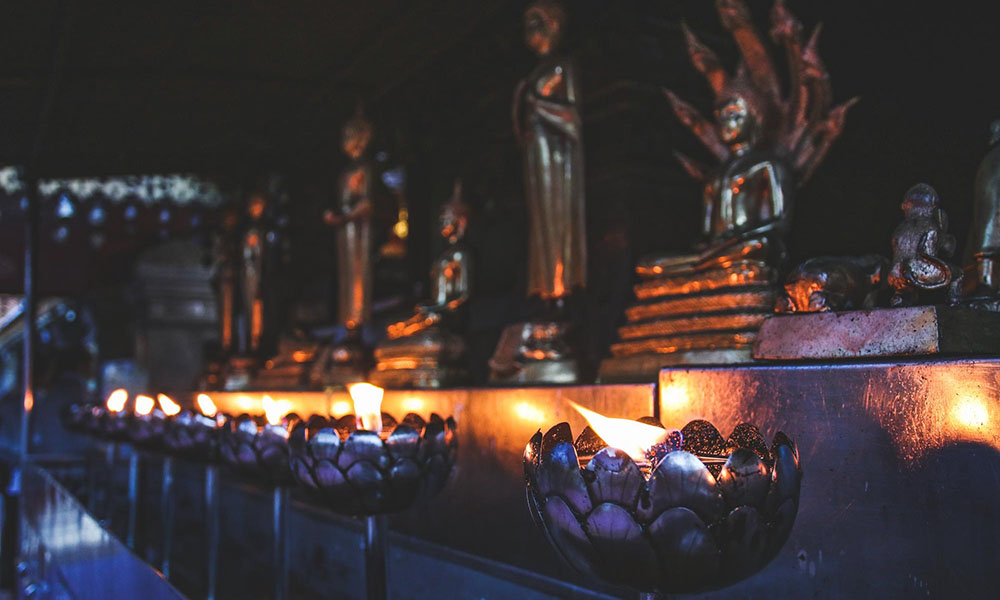
When darkness descends over Sri Lanka, the island’s ancient temples transform into mystical realms where centuries-old traditions come alive. The night rituals and festivals at Sri Lankan temples offer travelers an unforgettable glimpse into the spiritual heart of this Buddhist nation, where flickering oil lamps, rhythmic drumming, and devotional chants create an atmosphere of profound reverence.
The Magic of Evening Puja Ceremonies
Every evening across Sri Lanka, temples conduct puja ceremonies that mark the transition from day to night. These sacred rituals typically begin around 6:30 PM, when devotees gather to offer flowers, incense, and prayers to the Buddha. The Temple of the Sacred Tooth Relic in Kandy hosts one of the most elaborate evening pujas, where visitors can witness ancient protocols that have remained unchanged for centuries.
During these ceremonies, monks chant protective verses while the scent of jasmine and frangipani fills the air. The beating of traditional drums accompanies the offerings, creating a sensory experience that connects participants to Sri Lanka’s Buddhist heritage. For travelers interested in experiencing these authentic cultural moments, exploring Sri Lankan temples provides an intimate window into local spiritual life.
Vesak: The Festival of Lights
Vesak, celebrating the birth, enlightenment, and passing of Lord Buddha, transforms Sri Lanka into a luminous wonderland each May. This festival showcases some of the most spectacular night rituals in the Buddhist world. Temples erect massive pandals—illuminated structures depicting stories from Buddhist scriptures—that light up entire neighborhoods.
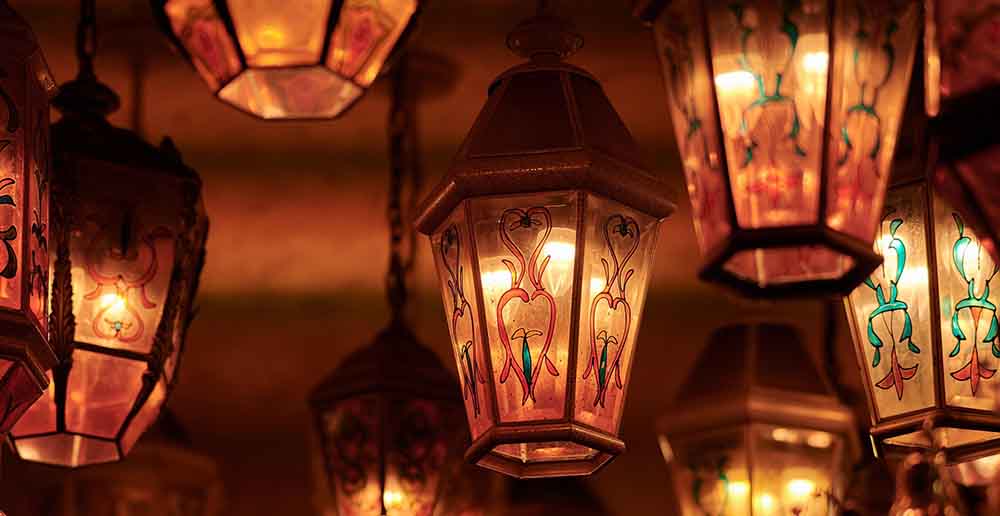
Devotees spend the night at temples, engaging in meditation, listening to dharma talks, and participating in all-night chanting sessions. The streets fill with lanterns of every size and color, while temples offer free food and drinks to passersby in acts of generosity called dansalas. Walking through Colombo or Kandy during Vesak night reveals a society united in spiritual celebration, making it an ideal time for cultural immersion through guided temple tours.
Esala Perahera: The Grandest Night Procession
The Esala Perahera in Kandy stands as one of Asia’s most magnificent religious festivals. Held over ten nights in July or August, this procession honors the Sacred Tooth Relic with an extraordinary display of pageantry. As night falls, over one hundred elephants adorned in ornate costumes parade through the streets, accompanied by dancers, drummers, and torch bearers.
The final night, known as the Randoli Perahera, features the most elaborate procession. The sacred casket containing the tooth relic processes through the streets on the back of the Maligawa Tusker, Sri Lanka’s most revered elephant. Thousands of performers in traditional costume create a moving tableau of Sri Lankan culture, while millions of spectators line the routes. Experiencing this festival requires advance planning, and booking with local experts ensures the best vantage points for this unforgettable spectacle.
Poson Poya: Celebrating Buddhism’s Arrival
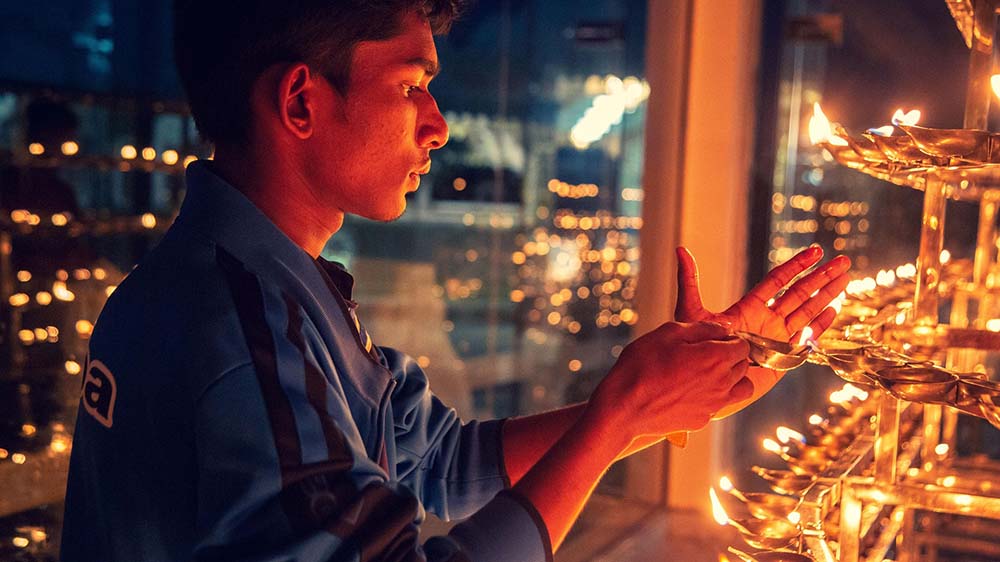
June’s Poson Poya festival commemorates the introduction of Buddhism to Sri Lanka in the 3rd century BCE. Mihintale, where this historic event occurred, becomes the center of nighttime pilgrimages. Devotees climb the ancient stone steps by lamplight, retracing the path of Arahat Mahinda who brought Buddhist teachings to the island.
Throughout the night, pilgrims meditate at sacred sites, listen to sermons, and observe sil—the eight precepts that deepen spiritual practice. The atmosphere at Mihintale during Poson night combines devotion with celebration, as families picnic on temple grounds while maintaining reverence for the sacred occasion.
Full Moon Poya Days: Monthly Spiritual Renewals
Every full moon, known as Poya Day in Sri Lanka, temples host extended evening ceremonies. These monthly observances hold special significance in Buddhist tradition, marking important events in the Buddha’s life. On Poya nights, devout Buddhists dress in white, bring lotus flowers to temples, and spend hours in meditation and dharma study.
The atmosphere at major temples like Kelaniya Raja Maha Vihara or Gangaramaya Temple intensifies during these nights. Oil lamps illuminate ancient frescoes, creating dancing shadows on temple walls while the community gathers in collective worship. These monthly celebrations offer travelers regular opportunities to witness authentic Buddhist practice without the crowds of major festivals.
Kataragama Festival: Where Buddhist and Hindu Traditions Converge
The Kataragama Festival in southern Sri Lanka showcases the island’s religious diversity through two weeks of nighttime rituals each July or August. While primarily dedicated to the Hindu god Skanda, Buddhist devotees also participate in ceremonies at the adjacent Buddhist temple. The festival culminates in firewalking ceremonies where devotees demonstrate their faith by walking across beds of burning coals.
Night processions wind through the sacred grounds as devotees in trance states perform acts of devotion, including carrying elaborate kavadis and piercing their bodies with hooks and skewers. This intense spiritual display reveals the syncretic nature of Sri Lankan religious practice, where Buddhist, Hindu, and indigenous beliefs interweave seamlessly.
Navam Perahera: Colombo’s Urban Spectacle
February’s Navam Perahera at Gangaramaya Temple brings grand processions to Colombo’s streets. While newer than traditional festivals, it has quickly become one of the capital’s premier cultural events. The night procession features decorated elephants, traditional dancers, and modern theatrical elements that appeal to both locals and international visitors.
The lakeside location near Beira Lake provides a stunning backdrop as floats and performers parade past illuminated temples. This urban festival offers accessibility for travelers based in Colombo while maintaining authentic traditional elements that characterize Sri Lankan Buddhist celebrations.
Preparing for Temple Festivals: Practical Guidance
Attending night rituals and festivals at Sri Lankan temples requires some preparation. Modest dress covering shoulders and knees is essential, and removing shoes before entering temple grounds is mandatory. White clothing is particularly appropriate for Poya days and major festivals, reflecting purity and respect.
Arriving early secures better viewing positions for processions, though the spontaneous nature of Sri Lankan gatherings means experiences remain authentic regardless of timing. Photography is generally permitted outside temples, but always ask before photographing inside sacred spaces or during ceremonies. Many temples request silence during meditation periods, and maintaining respectful behavior honors both the tradition and the worshippers.
Travelers unfamiliar with Buddhist customs benefit greatly from hiring knowledgeable local guides who can explain symbolic meanings, translate chants, and navigate festival crowds while ensuring appropriate etiquette.
The Spiritual Significance Behind the Spectacle
Beyond the visual splendor, these night rituals serve profound spiritual purposes. They create communal bonds, transmit cultural knowledge across generations, and provide opportunities for merit-making through acts of generosity and devotion. The choice of nighttime for many ceremonies holds symbolic significance, representing the illumination of wisdom dispelling the darkness of ignorance.
For Buddhist practitioners, participating in these rituals deepens their connection to dharma teachings. For visitors, they offer rare glimpses into living traditions that have shaped Sri Lankan identity for over two millennia. The festivals demonstrate how ancient practices remain vital in contemporary life, adapting to modern contexts while preserving essential spiritual elements.
Best Temples for Night Experiences
Several temples across Sri Lanka are particularly renowned for their nighttime ceremonies and festivals:
Temple of the Sacred Tooth Relic, Kandy – The evening puja at 6:30 PM offers daily access to one of Buddhism’s most sacred sites. The temple complex, especially beautiful when illuminated after dark, provides context for understanding Sri Lankan Buddhist culture.
Kelaniya Raja Maha Vihara – Located near Colombo, this temple’s Duruthu Perahera in January features impressive night processions commemorating Buddha’s visit to Sri Lanka.
Gangaramaya Temple, Colombo – This urban temple combines traditional architecture with museum collections and hosts the accessible Navam Perahera each February.
Ruwanwelisaya Stupa, Anuradhapura – Evening visits to this ancient monument allow circumambulation during the cooler hours while observing local devotional practices.
Planning visits to these sites through professional tour operators ensures understanding of historical contexts and current festival schedules.
Experiencing Authentic Spiritual Tourism
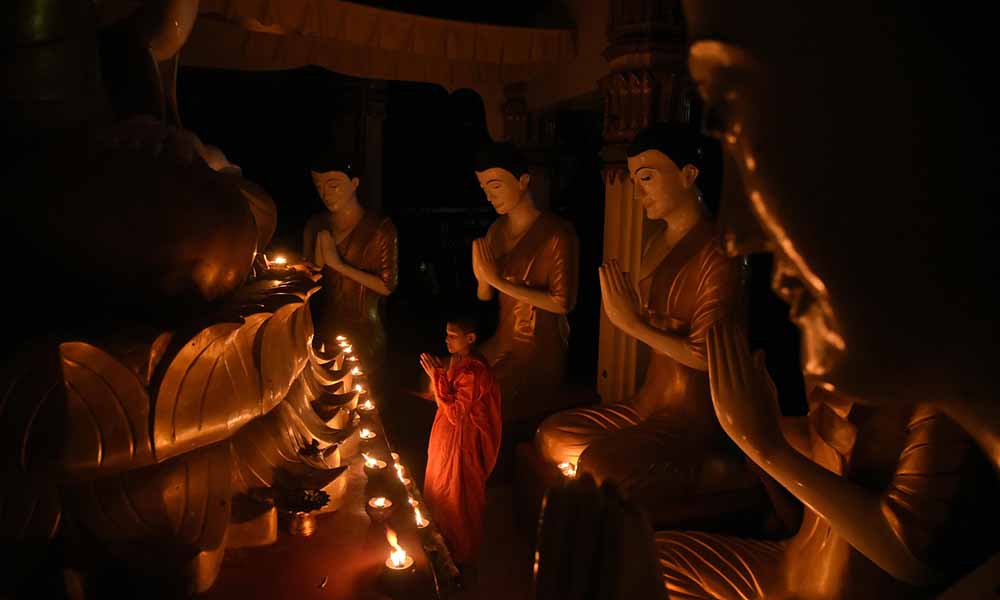
Night rituals and festivals at Sri Lankan temples represent more than tourist attractions—they are living expressions of faith that welcome respectful observers. Approaching these experiences with openness and cultural sensitivity transforms them from mere spectacle into meaningful cross-cultural exchanges.
The generosity shown to visitors during festivals, including offerings of free food and drinks, reflects core Buddhist values of compassion and sharing. Participating respectfully in these traditions, even as an observer, contributes to their preservation and demonstrates appreciation for Sri Lanka’s cultural wealth.
Conclusion: Embracing Sacred Nights
The night rituals and festivals at Sri Lankan temples offer travelers transformative experiences that transcend typical tourism. Whether witnessing the grandeur of Esala Perahera’s elephant processions, experiencing the serene beauty of evening puja ceremonies, or joining thousands of pilgrims during Vesak celebrations, these sacred nights create lasting impressions.
As darkness falls across this island nation, ancient rhythms emerge through drumbeats, chants, and flickering lamps. These moments connect past and present, revealing spiritual traditions that continue shaping Sri Lankan life. For those seeking authentic cultural experiences, the temples of Sri Lanka after dark provide portals into timeless traditions that illuminate both the night sky and the human spirit.
Ready to experience these enchanting night rituals firsthand? Contact Ceylon Tour Guides to plan your spiritual journey through Sri Lanka’s most sacred celebrations and discover the island’s cultural treasures with expert local guidance.


