
Sri Lankan Spices: Culinary Tours and Farm Visits
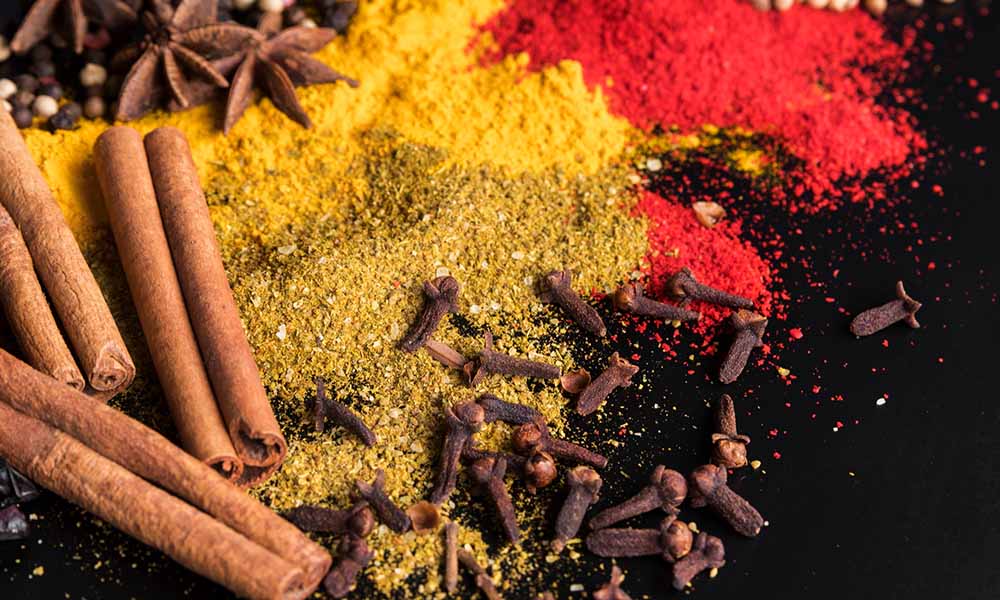
Sri Lanka, the legendary Spice Island, has captivated traders and travelers for centuries with its aromatic treasures. Today, spice tours and farm visits offer an immersive journey into the heart of Ceylon’s most fragrant legacy, where cinnamon, cardamom, pepper, and cloves grow in abundance under the tropical sun.
Why Sri Lankan Spices Are World-Renowned
Ceylon spices have earned their reputation as some of the finest in the world. The island’s tropical climate, rich volcanic soil, and centuries-old cultivation techniques create ideal conditions for growing premium-quality spices. Sri Lankan cinnamon, known as “true cinnamon,” is particularly prized for its delicate sweetness and subtle flavor, distinguishing it from the cassia variety found elsewhere.
Beyond cinnamon, Sri Lanka produces exceptional black pepper, cardamom, cloves, nutmeg, vanilla, and turmeric. Each spice tells a story of tradition, craftsmanship, and the island’s deep connection to the land.
The Best Regions for Spice Tours in Sri Lanka
Matale: The Spice Capital
Located in the Central Province, Matale is synonymous with spice cultivation. The region’s spice gardens have become iconic destinations where visitors can witness the entire journey from plant to product. Book your Matale spice tour with Ceylon Tour Guides and explore gardens where spice plants grow in their natural habitat, creating a sensory wonderland of sights and aromas.
Kandy and the Hill Country
The areas surrounding Kandy offer spectacular spice plantation experiences combined with stunning highland scenery. These Kandy region tours allow travelers to visit family-run spice farms where traditional methods are still practiced with pride.
Southern Coastal Regions
The warm coastal belt near Galle and Bentota supports thriving cinnamon and pepper plantations. These spice farm visits can be perfectly combined with beach excursions and cultural tours for a well-rounded Sri Lankan experience.
What to Expect on a Sri Lankan Spice Tour
Guided Spice Garden Walks
Expert guides lead you through lush gardens, identifying dozens of spice plants in their growing stages. You’ll learn to recognize cinnamon trees, pepper vines climbing tall supports, cardamom plants with their delicate flowers, and clove trees with their aromatic buds.
Traditional Processing Demonstrations
Watch skilled workers demonstrate age-old techniques: peeling delicate cinnamon bark, drying peppercorns in the sun, and processing fresh turmeric root. These demonstrations reveal the labor-intensive artistry behind every jar of spices in your kitchen.
Hands-On Experiences
Many spice tours include interactive elements where visitors can try their hand at cinnamon peeling, grind fresh spices using traditional stone mortars, or blend their own curry powder to take home. These memorable experiences create lasting connections to Sri Lankan culinary culture.
Farm-to-Table Cooking Sessions
Some culinary tours incorporate cooking demonstrations or classes where you’ll learn to prepare authentic Sri Lankan dishes using freshly harvested spices. Discover how to create aromatic curries, spiced rice dishes, and traditional sambols that burst with flavor.
Organic and Sustainable Spice Farming
Sri Lanka has embraced organic spice cultivation, with many farms abandoning chemical fertilizers and pesticides in favor of natural, sustainable methods. These organic spice farms demonstrate how traditional wisdom and ecological practices can coexist, producing healthier spices while protecting the environment.
Visiting these farms supports small-scale farmers and helps preserve agricultural biodiversity. Many spice gardens also cultivate medicinal herbs and plants used in Ayurvedic medicine, offering insights into Sri Lanka’s holistic healing traditions.
Key Spices You’ll Encounter
Ceylon Cinnamon
The crown jewel of Sri Lankan spices, true cinnamon has a sweeter, more refined flavor than common cassia. You’ll see how the inner bark is carefully harvested and rolled into the distinctive quills.
Black Pepper
Often called “black gold,” Sri Lankan pepper vines produce pungent, flavorful peppercorns. Learn about the drying process that transforms green berries into the familiar black spice.
Cardamom
This “queen of spices” grows in shaded areas beneath forest canopies. Both green and black varieties are cultivated, each offering distinct aromatic profiles.
Cloves
The unopened flower buds of clove trees are hand-picked and dried, creating one of the world’s most potent and aromatic spices.
Nutmeg and Mace
A single fruit provides two spices: nutmeg from the seed and mace from the red covering. You’ll discover why these spices were once worth more than gold.
Planning Your Sri Lankan Spice Tour
Best Time to Visit
While spice gardens operate year-round, the dry seasons (December to March and June to September) offer the most comfortable touring conditions. However, the monsoon periods bring lush greenery that makes the plantations particularly photogenic.
Duration and Itineraries
Spice tours can range from half-day visits to multi-day culinary adventures. Ceylon Tour Guides offers customizable spice tour packages that can be tailored to your interests, whether you want a brief introduction or an in-depth exploration of Sri Lankan spice culture.
What to Bring Home
Most spice gardens have on-site shops selling fresh, organic spices at excellent prices. Purchase whole spices for maximum flavor and longevity, and don’t miss specialty items like cinnamon oil, cardamom honey, and spice-infused teas.
Combining Spice Tours with Other Experiences
Spice tours integrate beautifully with other Sri Lankan attractions. Consider combining your culinary adventure with:
- Cultural Triangle tours to ancient cities like Sigiriya and Polonnaruwa
- Tea plantation visits in the hill country for a complete beverage and spice experience
- Wildlife safaris in nearby national parks
- Ayurvedic wellness treatments using locally grown herbs and spices
- Cooking classes in traditional Sri Lankan homes
Explore complete tour packages with Ceylon Tour Guides that seamlessly blend spice experiences with the island’s other treasures.
The Cultural Significance of Spices
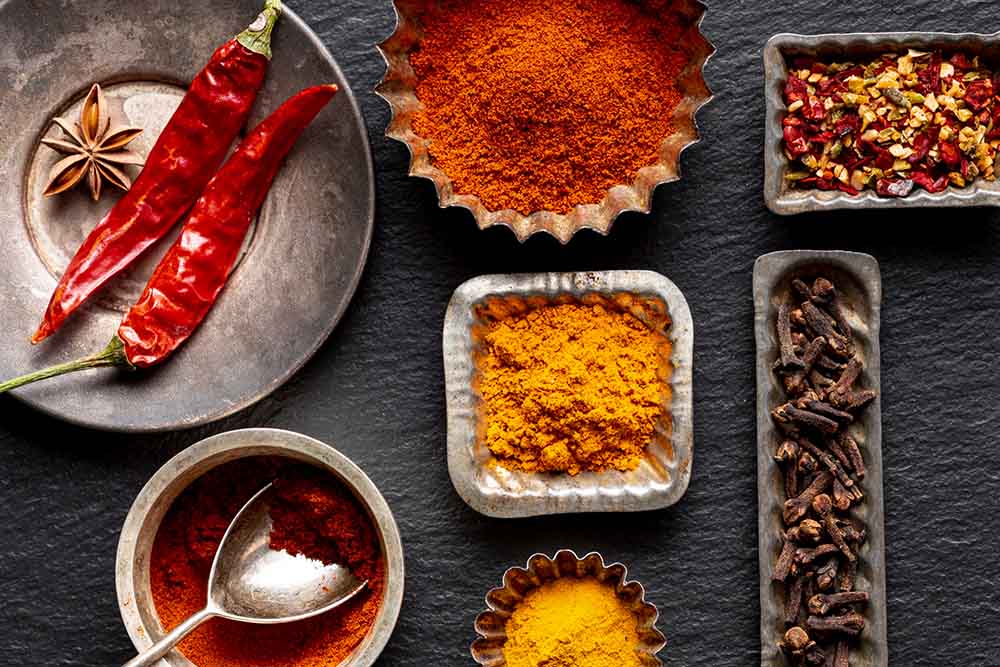
Spices are woven into every aspect of Sri Lankan life. They’re essential to daily cooking, traditional medicine, religious ceremonies, and social customs. Understanding this cultural context enriches your spice tour experience, transforming it from a simple garden visit into a deeper exploration of Sri Lankan identity.
Local families have often tended the same spice lands for generations, passing down knowledge and techniques through the centuries. Meeting these farmers and hearing their stories adds human connection to your culinary journey.
Authentic Experiences with Local Guides
The quality of your spice tour depends heavily on your guide’s expertise and passion. Ceylon Tour Guides connects travelers with knowledgeable local experts who bring spice gardens to life through engaging stories, detailed botanical information, and insider knowledge about traditional uses.
These guides can arrange visits to family-operated farms off the typical tourist trail, where you’ll experience genuine hospitality and authentic agricultural practices.
Health Benefits and Ayurvedic Traditions
Sri Lankan spices aren’t just culinary ingredients; they’re powerful medicines. Ayurvedic practitioners have used these plants for thousands of years to treat ailments and promote wellness. During your spice tour, you’ll learn about traditional medicinal applications:
- Cinnamon for blood sugar regulation
- Turmeric for anti-inflammatory properties
- Ginger for digestive health
- Cardamom for respiratory benefits
- Cloves for oral health
Many spice gardens include Ayurvedic herb sections where you’ll discover additional healing plants like gotukola, neem, and holy basil.
Responsible Tourism and Supporting Local Communities
Choosing ethical spice tours supports sustainable agriculture and local livelihoods. Look for experiences that:
- Pay fair prices to farmers
- Respect traditional growing methods
- Avoid exploitative practices
- Contribute to community development
- Promote environmental conservation
Ceylon Tour Guides prioritizes responsible tourism, ensuring your spice tour benefits the local communities who maintain these precious agricultural traditions.
Making the Most of Your Spice Tour
Engage Your Senses: Touch leaves to release aromatic oils, taste fresh samples, and breathe deeply to appreciate the garden’s complex fragrance layers.
Ask Questions: Guides love sharing their knowledge. Inquire about growing techniques, harvest seasons, traditional recipes, and personal family spice traditions.
Take Photos: Capture the vibrant greens, colorful flowers, and traditional processing methods. Many spice gardens offer stunning photo opportunities.
Buy Directly: Support farmers by purchasing spices at the source. You’ll get fresher products at better prices than in tourist shops.
Conclusion: An Unforgettable Sensory Journey
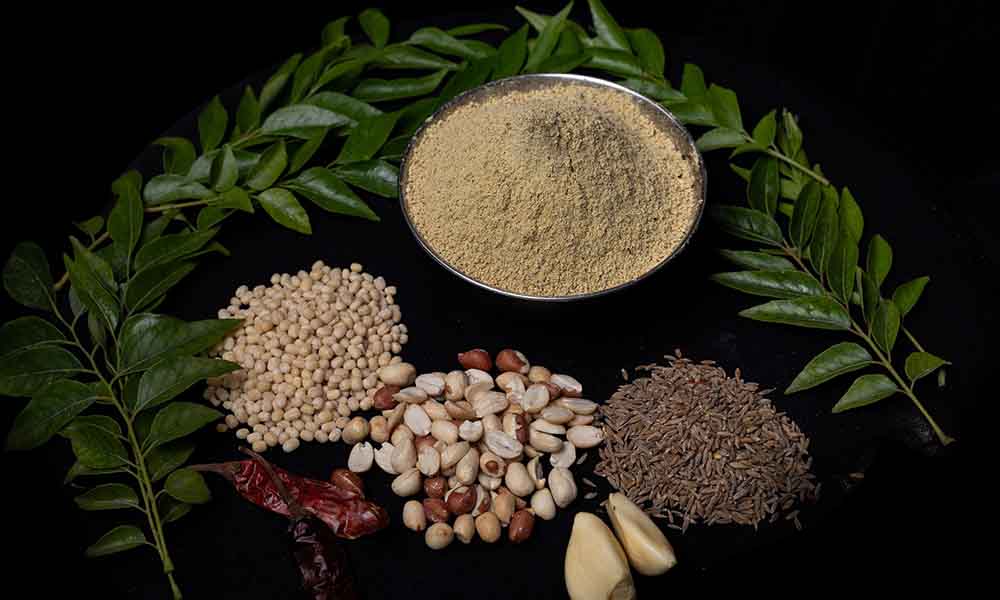
A spice tour in Sri Lanka offers more than botanical education; it’s a multi-sensory adventure that connects you to ancient trade routes, traditional agriculture, and the aromatic heart of island culture. Whether you’re a food enthusiast, a gardening lover, or simply curious about the origins of your kitchen staples, Sri Lankan spice experiences will leave you with new appreciation for these precious plants.
Ready to embark on your aromatic adventure? Contact Ceylon Tour Guides today to design your perfect Sri Lankan spice tour, complete with farm visits, cooking experiences, and unforgettable cultural encounters in the land where spices have been perfected over millennia.
Book Your Sri Lankan Spice Tour Today
Discover the aromatic treasures of the Spice Island with expert local guides. From Matale’s famous spice gardens to hidden organic farms, Ceylon Tour Guides creates personalized culinary adventures that awaken your senses and deepen your connection to Sri Lankan culture.


