Traditional Rice and Curry: Regional Variations Across the Island
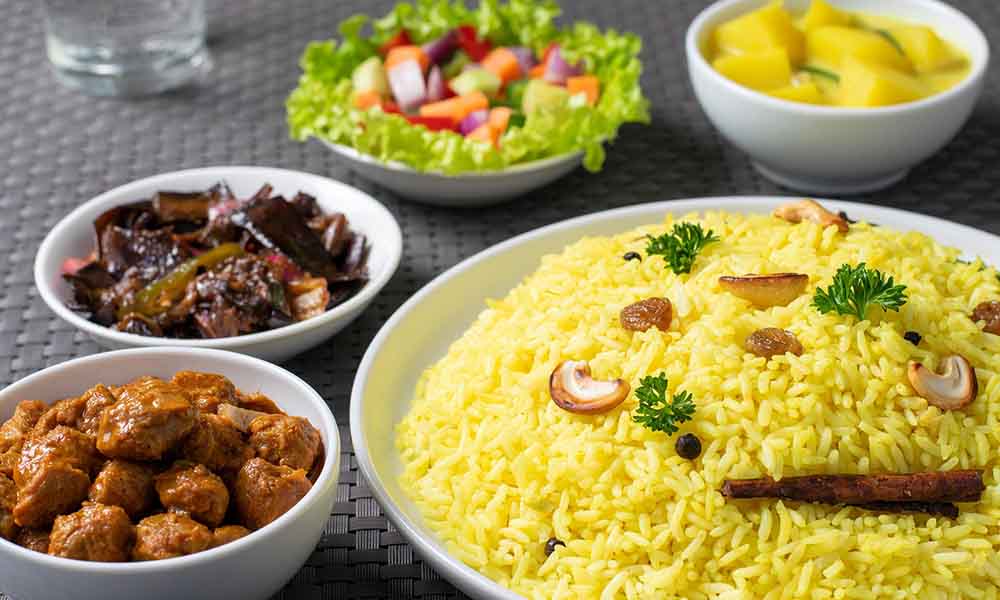
Sri Lankan rice and curry is more than just a meal—it’s a culinary tradition that tells the story of an island rich in spices, culture, and regional diversity. From the coastal communities to the hill country, each region of Sri Lanka brings its own distinctive flavors and cooking techniques to this beloved national dish.
What Makes Sri Lankan Rice and Curry Unique?
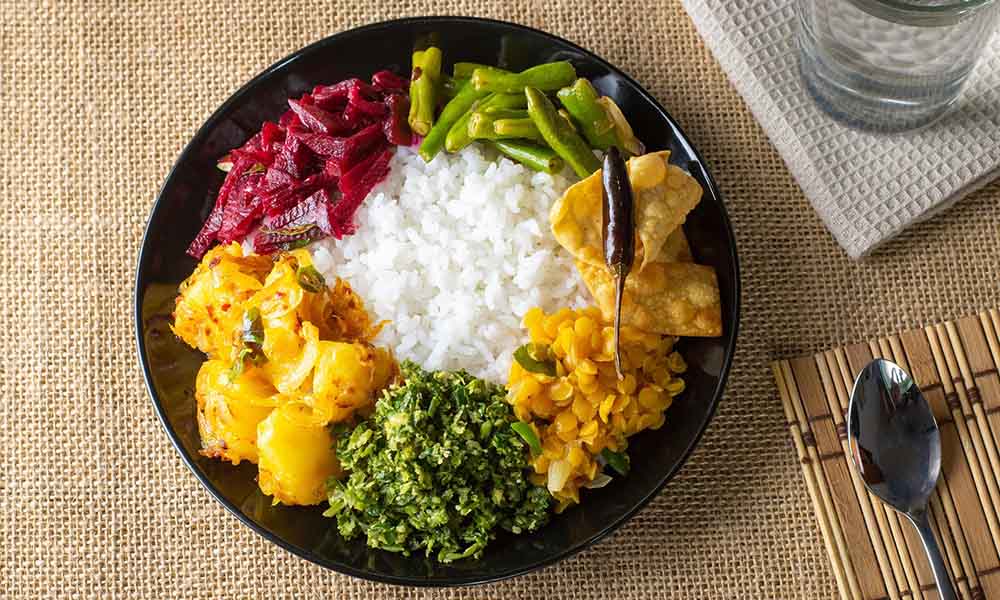
Unlike many Asian cuisines where curry appears as a single dish, Sri Lankan rice and curry presents an elaborate spread featuring fluffy rice surrounded by multiple curries, sambols, and accompaniments. A typical meal includes vegetable curries, dhal, a fish or meat curry, pol sambol (coconut relish), papadums, and various pickles. The combination of coconut milk, roasted spices, and curry leaves creates the unmistakable flavor profile that defines Sri Lankan cuisine.
The secret lies in the island’s indigenous spices and the art of tempering—the process of frying whole spices in oil to release their aromatic compounds before adding them to curries.
Northern Province: Jaffna’s Fiery Traditions
The Tamil-influenced cuisine of Jaffna in the north uses bold amounts of dried chilies, tamarind, and minimal coconut milk compared to other regions. Jaffna curry powder features distinctly aromatic notes, incorporating roasted coriander, cumin, fennel, and fenugreek.
Signature dishes include crab curry with a tangy, spicy gravy, prawn curry with drumstick leaves, and various dried fish curries. The region’s palmyrah trees also contribute to local cuisine through palmyrah fruit and jaggery, adding unique sweetness to certain preparations.
Travelers exploring the cultural treasures of the north will discover that Jaffna rice and curry offers an intense, pungent experience that reflects the region’s distinctive identity.
Southern Coast: Seafood Abundance
The coastal belt stretching from Galle to Tangalle serves as seafood paradise. Southern rice and curry features an abundance of fresh fish, prawns, crab, and squid that locals prepare with thick coconut milk gravies. The goraka fruit (garcinia cambogia), a souring agent unique to Sri Lanka, appears extensively in fish curries to create a distinctive tangy flavor while helping preserve the fish.
Ambul thiyal (sour fish curry) stands as the region’s most famous contribution—cooks slowly simmer chunks of tuna with goraka, black pepper, and spices until the liquid evaporates, creating an intensely flavored dry curry. The southern style delivers spicier and more robust flavors than other regions.
When you book a coastal tour through Ceylon, experiencing an authentic southern rice and curry spread in a local home or beach restaurant becomes essential.
Central Highlands: Kandyan Cuisine
The hill country around Kandy offers a more refined, subtly spiced approach to rice and curry. The cooler climate produces different vegetables, including leeks, carrots, and various greens that coastal areas don’t provide. Kandyan cuisine features milder curries with a delicate balance of spices, allowing the natural flavors of fresh vegetables to shine.
Traditional Kandyan rice and curry often includes kiri hodi (a mild coconut milk gravy), various mallum (chopped greens with coconut), and curries that showcase locally grown vegetables like ash plantain and jackfruit. Village homes using wood-fire cooking add a smoky depth to the dishes.
Visitors on a cultural journey to Kandy can experience this refined cuisine while exploring the ancient kingdom’s heritage.
Eastern Province: Batticaloa’s Seafood Secrets
The eastern coast, particularly around Batticaloa and Trincomalee, offers yet another variation. Here, rice and curry incorporates abundant lagoon crabs, prawns, and the region’s famous singing fish. The cuisine shows both Tamil and Muslim influences, with generous use of fennel, cinnamon, and cardamom.
Prawn curry with drumstick and pumpkin curry rank as local favorites. The region also gains recognition for using toddy (palm wine) in cooking, which adds a subtle fermented sweetness to certain meat curries.
Western Province: Colombo’s Fusion
As the commercial capital, Colombo and the western province present a fusion of all regional styles, shaped by centuries of colonial presence and international trade. While traditional Sinhalese dishes remain popular, you’ll also find Burgher (Dutch-Portuguese influenced) dishes like lampries and breudher, alongside Malay-inspired curries.
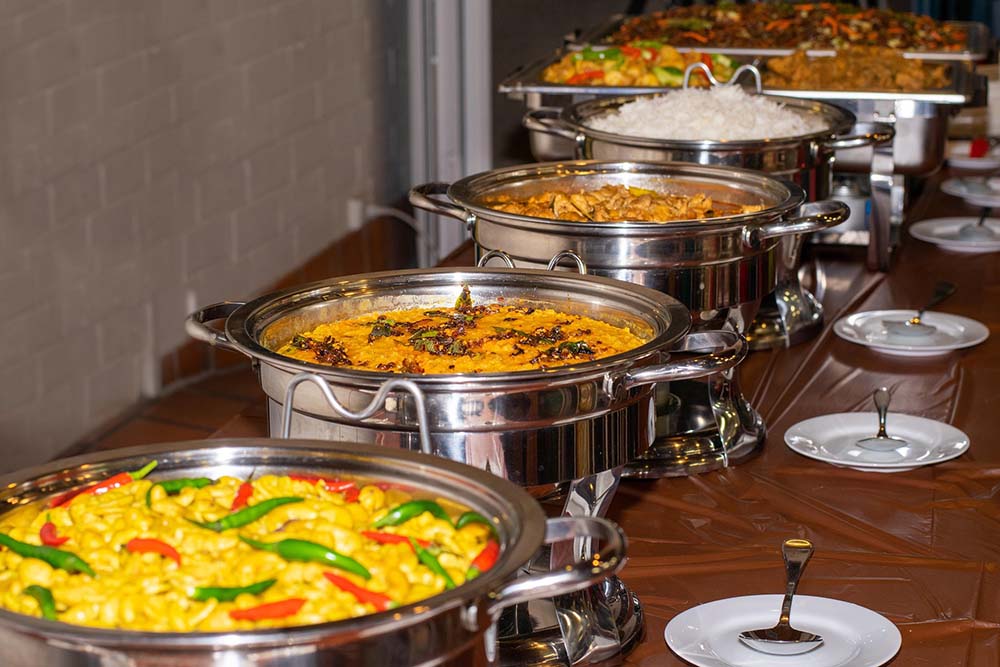
Western province rice and curry tends to offer more elaborate presentations, with a wider variety of accompaniments. Restaurants in Colombo give diners the opportunity to sample dishes from across the island in one sitting.
Those staying in Colombo can arrange day trips to experience authentic regional cuisines throughout their Sri Lankan adventure.
The Art of Eating Rice and Curry
Traditionally, Sri Lankans eat rice and curry with their hands, mixing the rice with various curries and sambols to create the perfect bite. This method goes beyond cultural tradition—many believe it enhances the dining experience by engaging all senses and allowing better control of the flavor combinations.
A typical rice and curry meal follows a rhythm: start with rice and milder curries, gradually work toward spicier dishes, and use pol sambol as a fiery accent. Cool down with curd and treacle for dessert.
Experience Authentic Regional Cuisines
The best way to truly understand Sri Lankan rice and curry involves experiencing it across different regions. Each area’s version reflects its history, available ingredients, and cultural influences, making every meal a discovery.
When planning your Sri Lankan culinary journey, consider arranging home-cooked meals or cooking demonstrations where you can learn the techniques behind these regional variations. Many local families happily share their kitchen secrets with interested travelers.
From the fiery curries of Jaffna to the coconut-rich preparations of the south, from the subtle flavors of Kandy to the seafood feasts of the east, Sri Lankan rice and curry offers an endlessly varied gastronomic adventure that captures the soul of this beautiful island.