
Turtle Conservation Projects and Volunteer Experiences in Sri Lanka: A Complete Guide
Sri Lanka’s pristine coastline stretches over 1,600 kilometers, offering vital nesting grounds for five of the world’s seven sea turtle species. For travelers seeking meaningful experiences beyond traditional sightseeing, turtle conservation projects provide an unforgettable opportunity to contribute to marine wildlife protection while exploring this beautiful island nation.
Why Sea Turtle Conservation Matters in Sri Lanka
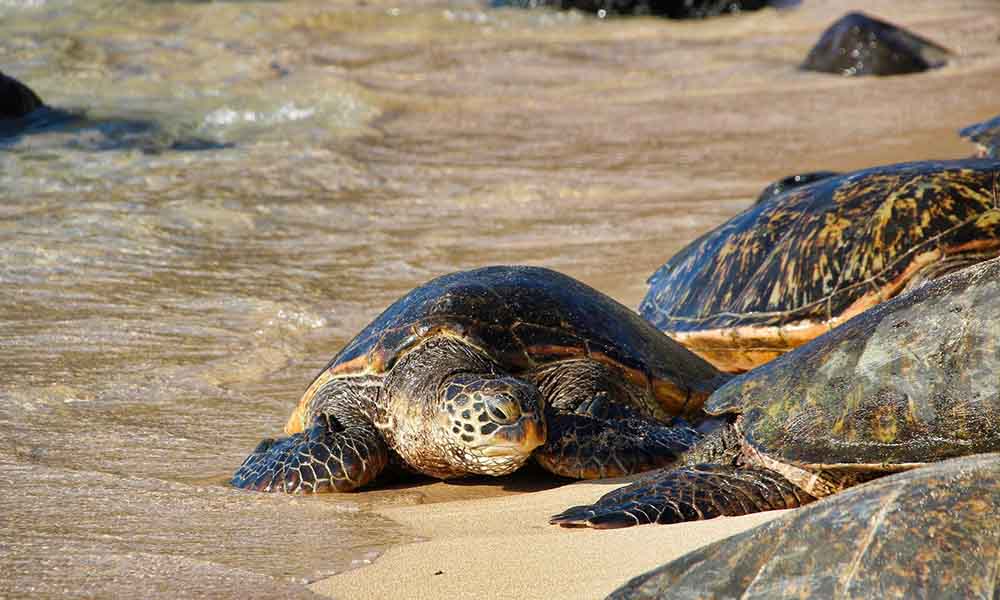
The warm waters surrounding Sri Lanka attract Green turtles, Loggerhead turtles, Hawksbill turtles, Olive Ridley turtles, and the magnificent Leatherback turtle. Despite their importance to marine ecosystems, these ancient creatures face numerous threats including habitat destruction, fishing net entanglement, poaching, and climate change.
Conservation efforts in Sri Lanka have made significant progress over the past few decades. Dedicated turtle hatcheries and protection programs work tirelessly to increase hatchling survival rates, rehabilitate injured turtles, and educate local communities and visitors about the importance of marine conservation.
Top Turtle Conservation Centers in Sri Lanka
Kosgoda Turtle Hatchery
Located along the southwestern coast, the Kosgoda Sea Turtle Conservation Project remains one of Sri Lanka’s most respected turtle sanctuaries. This community-based initiative rescues turtle eggs from beaches vulnerable to predators and human activity, incubating them safely before releasing hatchlings into the ocean.
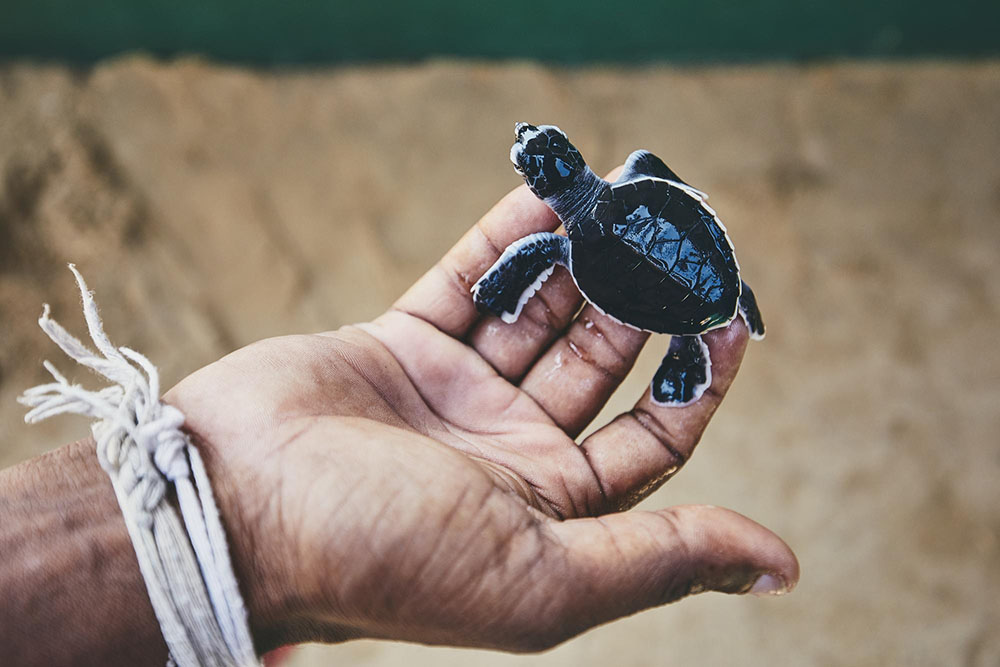
Visitors can observe different turtle species at various life stages, learn about conservation challenges, and even participate in evening releases where baby turtles make their first journey to the sea. The center also rehabilitates injured adult turtles before returning them to their ocean habitat.
Rekawa Turtle Watch
For a more intimate wildlife experience, Rekawa Beach on the southern coast offers nighttime turtle watching programs. This protected nesting site sees regular visits from Olive Ridley and Green turtles. Local guides lead small groups to observe nesting mothers laying eggs under the moonlight—a truly magical experience that requires respectful distance and minimal disturbance.
Bentota Turtle Hatchery
Another prominent conservation center, the Bentota facility combines education with hands-on conservation work. The hatchery protects nests, raises hatchlings, and maintains tanks for injured or sick turtles requiring medical attention and rehabilitation.
Volunteering Opportunities: Making a Real Difference
Turtle conservation volunteering in Sri Lanka offers various engagement levels, from short-term visits to extended programs where volunteers become integral to daily operations.
What Volunteers Do
Conservation volunteers typically participate in activities such as:
- Night patrols along nesting beaches to locate and protect fresh nests
- Nest relocation to secure hatchery areas away from predators and high tides
- Hatchling releases into the ocean during optimal conditions
- Data collection on nesting patterns, species identification, and environmental conditions
- Beach cleanups to remove debris that could harm turtles
- Educational outreach with local schools and communities
- Facility maintenance including tank cleaning and grounds upkeep
Volunteer Program Duration and Requirements
Most turtle conservation programs in Sri Lanka accept volunteers for periods ranging from one week to several months. While some scientific programs prefer longer commitments, many hatcheries welcome short-term volunteers who can contribute during peak nesting seasons between April and September.
Requirements typically include:
- Basic physical fitness for beach patrols and outdoor work
- Enthusiasm for wildlife conservation and environmental protection
- Willingness to work in hot, humid conditions
- Respect for local customs and communities
- No specific qualifications needed for most positions, though marine biology students often find valuable research opportunities
Combining Volunteering with Your Sri Lanka Tour
One of the advantages of volunteering in Sri Lanka is the ability to integrate conservation work with broader travel plans. Many visitors dedicate a week to turtle conservation while spending additional time exploring Sri Lanka’s cultural heritage sites, pristine beaches, and lush national parks.
Working with experienced local tour guides helps coordinate volunteering schedules with sightseeing, ensuring you experience both the meaningful conservation work and the island’s incredible diversity.
Best Time for Turtle Conservation Experiences
Sea turtles nest along Sri Lankan beaches year-round, though peak nesting activity occurs between April and September. This period coincides with the southwest monsoon, bringing calmer seas to the western and southern coasts where most hatcheries operate.
For the best volunteer experience and highest likelihood of witnessing nesting, plan your visit during these months. However, hatcheries operate throughout the year and always welcome support.
How to Choose a Responsible Turtle Conservation Program
With growing interest in eco-tourism, it’s essential to select genuinely conservation-focused programs rather than tourist attractions that prioritize entertainment over animal welfare.
Red Flags to Watch For
Avoid facilities that:
- Keep turtles in tanks indefinitely without rehabilitation plans
- Allow excessive handling of hatchlings or adult turtles
- Encourage flash photography near nesting turtles
- Operate primarily as tourist attractions with minimal conservation work
- Lack transparency about their conservation methods and success rates
Signs of Ethical Programs
Look for conservation centers that:
- Focus on protecting natural nesting sites
- Release hatchlings at appropriate times (typically at night when predator activity is lower)
- Maintain detailed records of nesting data and hatchling success rates
- Employ or train local community members
- Partner with international conservation organizations
- Prioritize turtle welfare over tourist interactions
- Provide educational programs about marine ecosystem protection
What to Expect During Your Visit
Whether you’re a day visitor or multi-week volunteer, turtle conservation experiences typically offer:
Educational presentations covering turtle biology, conservation challenges, and local protection efforts
Facility tours showing incubation areas, rehabilitation tanks, and conservation equipment
Close encounters with turtles at various life stages, always prioritizing animal welfare
Release participation where visitors help hatchlings reach the ocean under supervised conditions
Beach patrols for volunteers, offering the chance to witness natural nesting behavior
Beyond Turtles: Sri Lanka’s Rich Biodiversity
While focusing on turtle conservation, volunteers and visitors discover Sri Lanka’s incredible natural diversity. The island hosts numerous national parks, wildlife sanctuaries, and marine protected areas.
Consider extending your conservation journey to explore Sri Lanka’s diverse ecosystems, from misty highlands with leopard populations to wetlands teeming with endemic bird species. Many conservation-minded travelers combine turtle volunteering with whale watching, rainforest treks, or visits to elephant orphanages that prioritize ethical animal care.
Practical Information for Turtle Conservation Volunteers
Accommodation
Most turtle conservation programs offer basic volunteer accommodation near project sites, ranging from shared dormitories to simple guesthouse rooms. Some volunteers prefer arranging independent accommodation in nearby towns like Kosgoda, Bentota, or Hikkaduwa, which offer more amenities while remaining close to conservation sites.
Costs
Volunteer program fees vary widely depending on duration, included services, and organization type. Daily costs typically range from $20 to $50, covering accommodation, meals, and program participation. Some grassroots programs operate on donation basis, while international volunteer organizations charge higher fees that include pre-departure support and in-country coordination.
What to Bring
Pack practical items for beach conservation work:
- Lightweight, breathable clothing suitable for hot weather
- Closed-toe shoes for beach patrols
- Headlamp or flashlight with red light setting (white light disturbs nesting turtles)
- Reef-safe sunscreen to protect both you and marine ecosystems
- Insect repellent for evening patrols
- Reusable water bottle
- Notebook for recording observations
Health and Safety
Sri Lanka is generally safe for volunteers, though standard precautions apply. Ensure travel insurance covers volunteer activities, stay hydrated in tropical heat, and follow guidance from program coordinators regarding beach safety and wildlife interactions.
Making a Lasting Impact
Participating in turtle conservation creates ripple effects beyond your immediate involvement. Volunteer fees support ongoing protection efforts, night patrols prevent egg poaching, and increased awareness leads to stronger community support for conservation.
Many volunteers maintain connections with conservation projects after returning home, continuing to support through donations, awareness campaigns, or return visits. The experience often inspires broader environmental consciousness and lifestyle changes that benefit global conservation efforts.
How to Get Started
Ready to contribute to sea turtle conservation while experiencing Sri Lanka’s natural beauty? Research programs that align with your interests and schedule, reach out to coordinators with questions about volunteer opportunities, and consider consulting professional Sri Lankan tour guides who can help integrate conservation experiences into a comprehensive travel itinerary.
Whether you spend an afternoon at a turtle hatchery or dedicate weeks to conservation work, your participation supports the survival of these magnificent marine creatures for generations to come.
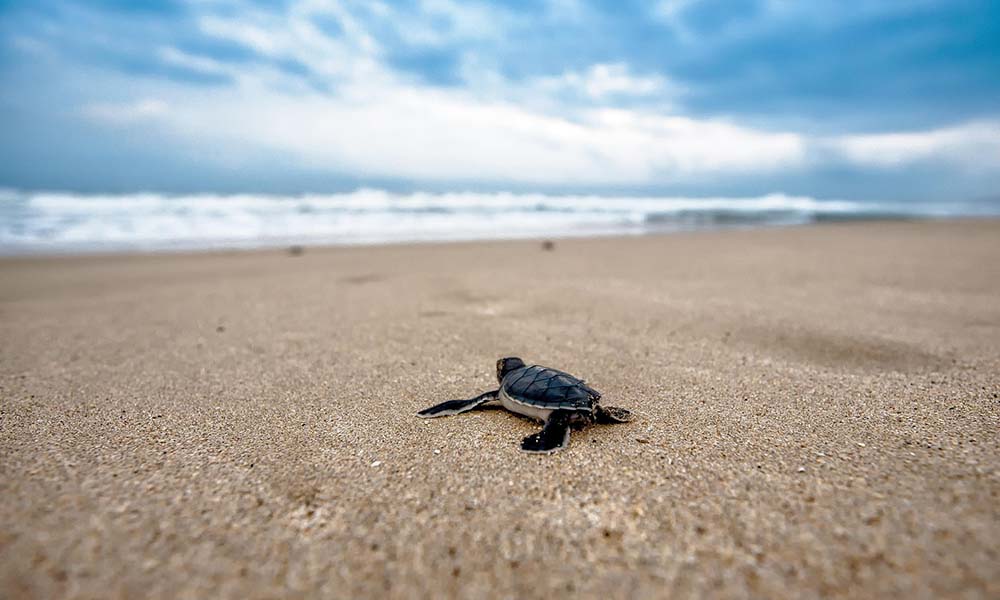
The gentle journey of a tiny hatchling from sand to sea represents hope for ocean conservation worldwide. By choosing to volunteer or visit turtle conservation projects in Sri Lanka, you become part of this ongoing story of protection, dedication, and the enduring connection between humans and the natural world.
Start planning your meaningful travel experience today and discover how conservation tourism creates memories that matter while protecting Sri Lanka’s irreplaceable marine heritage.
Ready to combine turtle conservation with an unforgettable Sri Lankan adventure? Visit Ceylon Tour Guides to plan your eco-friendly journey with experienced local guides who share your passion for wildlife protection and sustainable tourism.


