
Birdwatching Paradise: Top Sri Lanka Locations for Avian Enthusiasts
Sri Lanka stands as one of Asia’s premier birdwatching destinations, boasting over 430 recorded bird species in a compact island paradise. With 34 endemic species found nowhere else on Earth, this tropical gem offers extraordinary opportunities for both novice and experienced birders. From misty montane forests to coastal wetlands, discover why Sri Lanka deserves a top spot on every bird watcher’s bucket list.
Why Sri Lanka is a Birdwatching Paradise
Despite its small size, Sri Lanka’s diverse ecosystems create perfect habitats for an impressive variety of avian life. The island’s unique position along migration routes brings seasonal visitors, while its isolated evolution has produced remarkable endemic species like the Sri Lanka Blue Magpie and Ceylon Junglefowl.
The best time for birdwatching in Sri Lanka runs from November to April, when migratory species join the resident populations, creating spectacular birding opportunities across the island.
Top Birdwatching Locations in Sri Lanka
1. Sinharaja Forest Reserve
The UNESCO World Heritage Site of Sinharaja represents Sri Lanka’s last viable rainforest and the crown jewel for endemic bird watching. This biodiversity hotspot hosts 20 of Sri Lanka’s 34 endemic bird species, making it essential for serious birders.
Star Species: Sri Lanka Blue Magpie, Red-faced Malkoha, Green-billed Coucal, Ceylon Rufous Babbler
Best Time to Visit: Early morning from December to March
Planning your Sri Lanka wildlife tour? Sinharaja should top your itinerary for unparalleled endemic bird encounters.
2. Kumana National Park
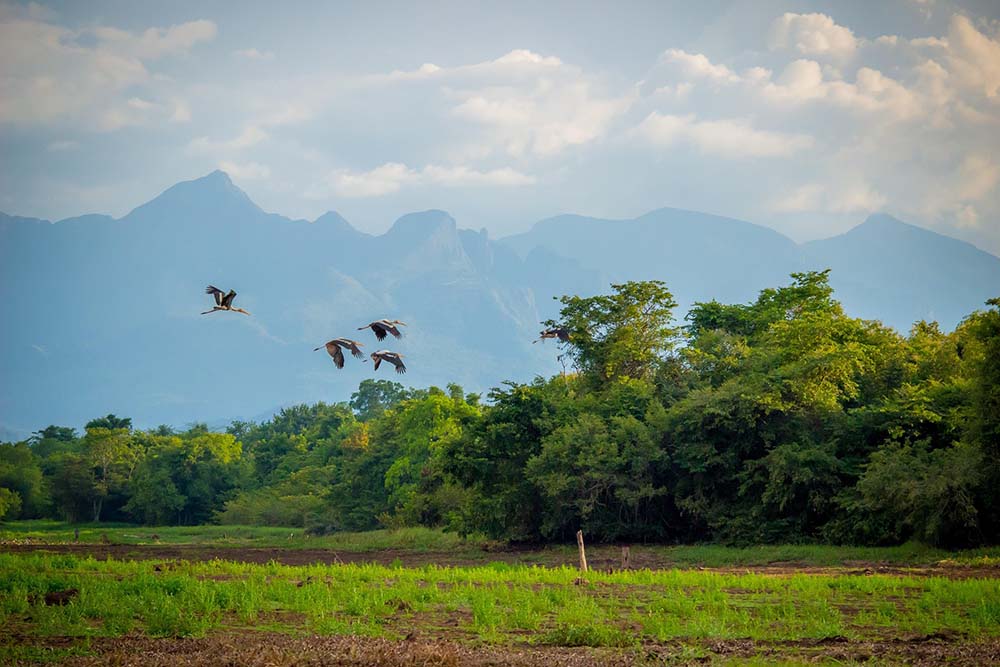
Known as one of Sri Lanka’s most important bird sanctuaries, Kumana National Park becomes a spectacular breeding ground for waterbirds from April to July. The Kumana Villu lagoon attracts thousands of birds, creating breathtaking scenes for photographers and enthusiasts.
Star Species: Painted Stork, Black-necked Stork, Lesser Adjutant, Eurasian Spoonbill, various terns and waders
Best Time to Visit: April to July for breeding season
3. Yala National Park
While famous for leopards, Yala National Park offers exceptional birdwatching with over 215 bird species recorded. The varied habitats from scrubland to lagoons support both endemic and migratory species.
Star Species: Ceylon Junglefowl, Malabar Pied Hornbill, Black-necked Stork, migrating shorebirds
Best Time to Visit: October to March
Combine your birding adventure with other wildlife spotting on a comprehensive Yala safari tour.
4. Bundala National Park
This Ramsar Wetland of International Importance serves as a crucial wintering ground for migratory waterbirds. Bundala’s lagoons, salt pans, and thorny scrublands create diverse birding environments within a compact area.
Star Species: Greater Flamingo (up to 10,000 individuals), migrating shorebirds, raptors including the Grey-headed Fish Eagle
Best Time to Visit: September to March for migrants
5. Horton Plains National Park
At 2,100-2,300 meters elevation, Horton Plains offers montane bird species in stunning highland scenery. The grasslands and cloud forests provide habitat for several endemic species adapted to cooler climates.
Star Species: Sri Lanka Whistling Thrush, Yellow-eared Bulbul, Dull-blue Flycatcher, Sri Lanka Bush Warbler
Best Time to Visit: January to March
Include Horton Plains in your central highlands tour for unique montane birdwatching experiences.
6. Kitulgala Forest Reserve
This wet zone rainforest gained fame from “The Bridge on the River Kwai” but deserves recognition for exceptional birdwatching. The Kelani River Valley creates prime habitat for endemic forest species.
Star Species: Ceylon Spurfowl, Spot-winged Thrush, Orange-billed Babbler, Ceylon Hanging Parrot
Best Time to Visit: November to April
7. Talangama Wetland
Just 30 minutes from Colombo, Talangama offers convenient birdwatching without leaving the city area. This urban wetland sanctuary attracts remarkable diversity despite its location.
Star Species: Purple Heron, Little Grebe, White-throated Kingfisher, Indian Cormorant
Best Time to Visit: Year-round, early mornings best
8. Bodhinagala Forest Reserve
This lesser-known gem near Gampaha provides excellent lowland rainforest birding with fewer crowds. The protected forest maintains healthy populations of endemic species.
Star Species: Sri Lanka Hanging Parrot, Crimson-fronted Barbet, Spot-winged Thrush
Best Time to Visit: December to March
9. Udawattakele Forest Reserve (Kandy)
Located in the heart of Kandy, this urban forest sanctuary offers accessible birdwatching combined with cultural exploration. The reserve’s mixed habitats support good diversity despite human proximity.
Star Species: Layard’s Parakeet, Ceylon Hanging Parrot, Yellow-fronted Barbet
Best Time to Visit: Year-round
Combine birding with Kandy cultural tours for a diverse Sri Lankan experience.
10. Mannar Island
The northern coastline and shallow waters of Mannar attract massive numbers of migratory waders and waterbirds. This area offers distinctly different birding from the southern wetlands.
Star Species: Flamingos, various sandpipers, plovers, and terns, Indian Courser
Best Time to Visit: October to March
Must-See Endemic Birds of Sri Lanka
Sri Lanka’s 34 endemic bird species represent the holy grail for visiting birders. Priority targets include:
- Sri Lanka Blue Magpie – Stunning blue forest dweller
- Ceylon Junglefowl – National bird, ancestor of domestic chickens
- Red-faced Malkoha – Elusive rainforest cuckoo
- Sri Lanka Hanging Parrot – Tiny endemic parrot
- Ceylon Spurfowl – Ground-dwelling endemic
- Yellow-eared Bulbul – Highland specialty
- Layard’s Parakeet – Endemic parakeet with distinctive plumage
Practical Birdwatching Tips for Sri Lanka
Hire a Local Bird Guide: Expert guides from Ceylon Tour Guides dramatically increase species count and identification accuracy while supporting local communities.
Essential Equipment: Bring quality binoculars (8×42 or 10×42), field guides specific to Sri Lanka, camera with telephoto lens for bird photography, and weatherproof gear.
Best Birding Times: Early morning (5:30-9:00 AM) and late afternoon (3:30-6:00 PM) offer peak activity. Many species become quiet during midday heat.
Respect Wildlife: Maintain distance, avoid playback calls that stress birds, and never disturb nesting sites.
Climate Considerations: Sri Lanka’s tropical climate means heat and humidity. Wear lightweight, neutral-colored clothing and stay hydrated.
Planning Your Sri Lanka Birdwatching Tour
A comprehensive birdwatching tour of Sri Lanka typically requires 10-14 days to cover major habitats from lowland rainforests to montane regions. Many birders combine several ecosystems:
Classic Birding Circuit:
- Days 1-2: Talangama or Bodhinagala (lowland wet zone)
- Days 3-4: Sinharaja Forest Reserve (rainforest endemics)
- Days 5-6: Bundala and Yala (dry zone and wetlands)
- Days 7-8: Kumana National Park (waterbirds)
- Days 9-10: Horton Plains and Nuwara Eliya (montane species)
Professional Sri Lanka tour guides can customize itineraries based on target species, seasonal movements, and birding experience level.
Bird Photography in Sri Lanka
Sri Lanka offers exceptional opportunities for bird photography with relatively approachable species in photogenic settings. Key tips:
- Equipment: 400-600mm telephoto lenses ideal for most situations
- Best Locations for Photography: Bundala’s open habitats, Yala’s varied backgrounds, Sinharaja’s atmospheric forest light
- Technique: Use fast shutter speeds (1/1000s+) for sharp images, shoot in early morning/late afternoon golden light, be patient around water sources
Conservation and Responsible Birding
Sri Lanka’s bird populations face pressures from habitat loss, though conservation efforts show positive results. Responsible birders contribute by:
- Supporting ethical tour operators like Ceylon Tour Guides
- Respecting protected areas and regulations
- Contributing to citizen science through eBird reporting
- Avoiding disturbance to breeding and nesting birds
Beyond Birding: Complete Sri Lanka Experience
While pursuing endemic species, explore Sri Lanka’s incredible cultural heritage, pristine beaches, and world-famous tea plantations. Many birdwatching itineraries incorporate:
- Ancient cities of Anuradhapura and Polonnaruwa
- Sigiriya Rock Fortress
- Temple of the Tooth in Kandy
- Tea estates in Nuwara Eliya
- Coastal relaxation in Mirissa or Tangalle
Conclusion
With its extraordinary endemic species, diverse habitats compressed into a small area, and excellent infrastructure for wildlife tourism, Sri Lanka rightfully claims status as a birdwatching paradise. Whether you’re seeking the vibrant Sri Lanka Blue Magpie in misty rainforests or photographing thousands of flamingos at coastal wetlands, this island nation delivers unforgettable avian encounters.
Start planning your Sri Lanka birdwatching adventure today with expert local guides who know exactly where and when to find your target species. Visit Ceylon Tour Guides to design your perfect birding itinerary and discover why experienced birders return to Sri Lanka year after year.
Ready to explore Sri Lanka’s incredible birdlife? Contact Ceylon Tour Guides for customized birdwatching tours led by expert naturalists.


