
Discover Sri Lanka’s Hidden Wildlife Sanctuaries: A Paradise for Animal Lovers
Sri Lanka, often called the Pearl of the Indian Ocean, is renowned for its incredible biodiversity packed into a relatively small island. While Yala and Udawalawe National Parks attract thousands of international visitors, some of Sri Lanka’s most spectacular wildlife sanctuaries remain beautifully undiscovered. These hidden gems offer intimate animal encounters, support vital conservation efforts, and provide unforgettable experiences for ethical wildlife tourism enthusiasts.
If you’re planning a wildlife adventure in Sri Lanka, Ceylon Tour Guides offers expertly curated tours to both famous and off-the-beaten-path wildlife destinations across the island.
Why Explore Lesser-Known Wildlife Sanctuaries in Sri Lanka?
Visiting lesser-known nature reserves offers several advantages over mainstream wildlife destinations. You’ll experience fewer crowds, more personalized wildlife encounters, better photography opportunities, and often contribute more directly to local conservation initiatives. These hidden wildlife sanctuaries provide authentic connections with Sri Lanka’s endemic species while supporting sustainable tourism practices.
Sri Lanka is home to 26 endemic mammal species, 33 endemic bird species, and countless reptiles and amphibians found nowhere else on Earth. Many of these rare creatures thrive in the island’s lesser-visited protected areas.
1. Wilpattu National Park – The Land of Lakes
Location: Northwest Coast, Puttalam District
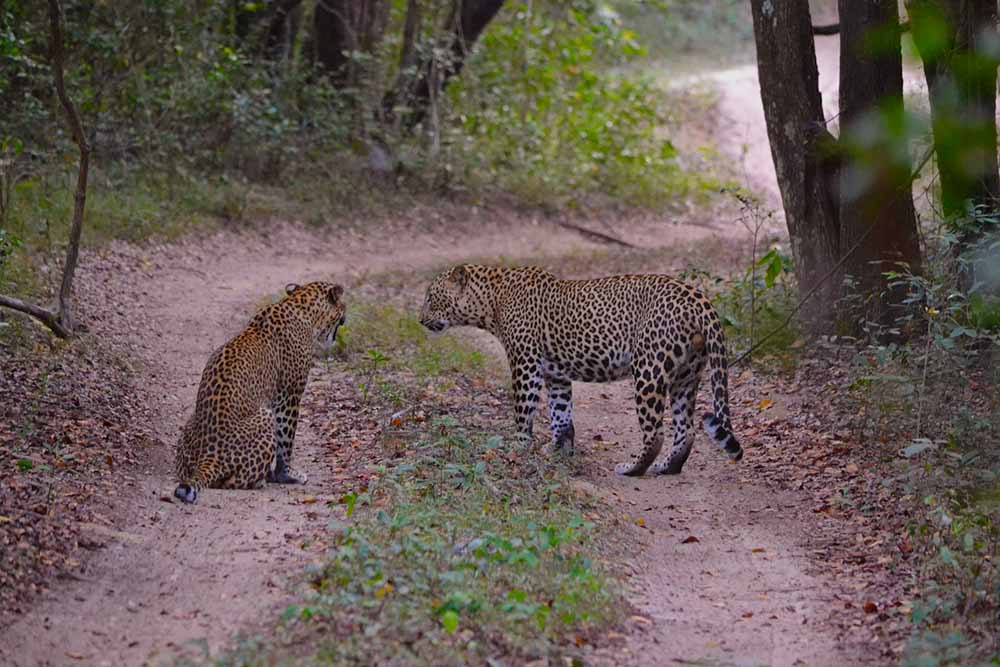
While most tourists flock to Yala for leopard sightings, Wilpattu National Park offers equally impressive leopard populations with a fraction of the crowds. Sri Lanka’s largest and oldest national park, Wilpattu means “land of lakes” in Sinhala, named for its 60+ natural sand-rimmed lakes called “villus.”
Wildlife Highlights:
- One of the highest Sri Lankan leopard densities in the country
- Asian elephants roaming through dry zone forests
- Sloth bears foraging during early mornings
- Mugger crocodiles and water monitors around villus
- Over 200 bird species including painted storks and spot-billed pelicans
What Makes It Special: The unique villu ecosystem creates exceptional wildlife viewing opportunities. Animals congregate around these natural lakes, especially during dry season months from February to October.
Best Time to Visit: February to October for optimal leopard and elephant sightings.
Experience Wilpattu’s wilderness with expert wildlife tracking guides who understand leopard behavior and know the best villu locations for wildlife photography.
2. Kumana National Park – A Bird Watcher’s Paradise
Location: Southeastern Coast, Ampara District
Often overshadowed by neighboring Yala, Kumana National Park (also known as Yala East) is one of Sri Lanka’s most important bird sanctuaries. This lesser-known wildlife reserve is particularly famous for its massive bird colonies and serves as a crucial nesting ground for migratory species.
Wildlife Highlights:
- Over 250 bird species including rare black-necked storks
- Massive nesting colonies at Kumana Villu from April to July
- Elephants, leopards, and fishing cats
- Estuarine crocodiles in lagoons and waterways
- Endemic species like Sri Lankan junglefowl and Ceylon woodshrike
What Makes It Special: Between April and July, thousands of birds including pelicans, painted storks, spoonbills, and ibises nest in spectacular colonies, creating one of Asia’s greatest ornithological spectacles.
Best Time to Visit: April to July for bird nesting season; January to September for general wildlife viewing.
Plan your bird watching tour to Kumana during the nesting season for extraordinary photography opportunities.
3. Gal Oya National Park – Boat Safaris and Swimming Elephants
Location: Eastern Province, Ampara District
Gal Oya National Park remains one of Sri Lanka’s best-kept wildlife secrets. This unique sanctuary offers the island’s only boat safaris, where visitors can watch elephants swimming between islands in the Senanayake Samudra reservoir.
Wildlife Highlights:
- Asian elephants swimming across the reservoir
- Leopards in the surrounding hills
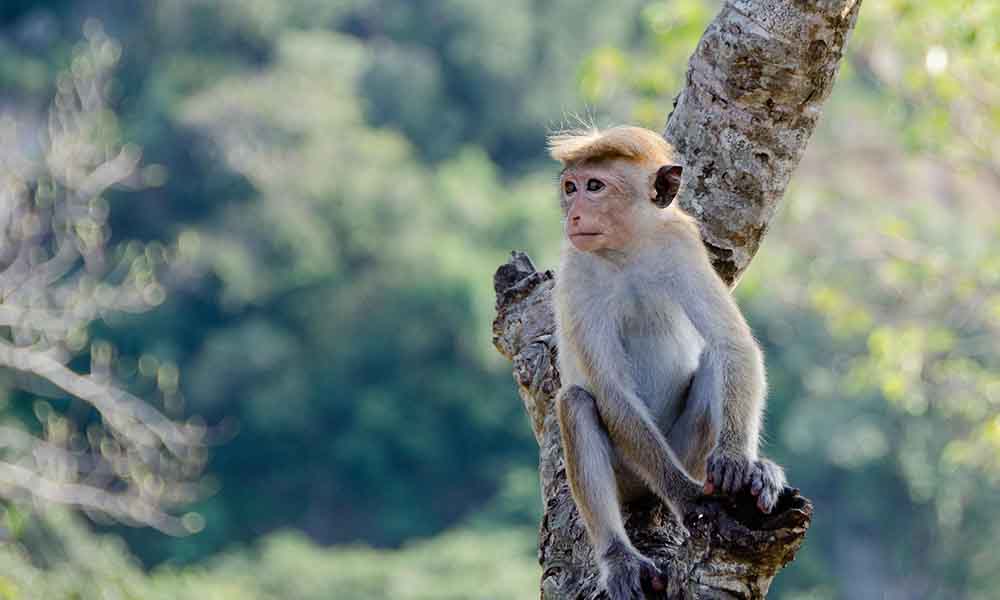
- Toque macaques and purple-faced langurs
- Fishing cats near wetland areas
- Over 150 bird species including white-bellied sea eagles
What Makes It Special: The opportunity to observe elephants from boats provides a completely different perspective compared to traditional jeep safaris. The park also borders indigenous Vedda communities, offering cultural immersion alongside wildlife experiences.
Best Time to Visit: March to September for the best boat safari conditions and elephant sightings.
Combine wildlife and culture with Gal Oya eco-tours that include Vedda community visits.
4. Maduru Oya National Park – Off the Beaten Path Wilderness
Location: Uva and North Central Provinces
Maduru Oya National Park is one of Sri Lanka’s most remote and least-visited wildlife sanctuaries. This pristine wilderness protects ancient reservoirs, dense forests, and important elephant corridors connecting several protected areas.
Wildlife Highlights:
- Large elephant herds migrating through ancient corridors
- Leopards, sloth bears, and rusty-spotted cats
- Endemic species including toque macaques and Sri Lankan sambar deer
- Over 200 bird species in diverse habitats
- Ancient archaeological sites with historical significance
What Makes It Special: The park’s remoteness ensures truly wild experiences with minimal human interference. The ancient Vedda settlements and archaeological ruins add historical depth to wildlife encounters.
Best Time to Visit: May to September during the dry season for better accessibility and wildlife viewing.
5. Bundala National Park – Wetland Wonderland
Location: Southern Coast, Hambantota District
This Ramsar Wetland of International Importance remains relatively unknown despite its remarkable biodiversity. Bundala National Park serves as a vital stopover for migratory birds traveling between Siberia and Australia, creating spectacular concentrations during migration seasons.
Wildlife Highlights:
- Thousands of greater flamingos from September to March
- Over 200 bird species including rare black-necked storks
- Five species of endangered sea turtles nesting nearby
- Elephants, crocodiles, and Indian civets
- Numerous endemic reptiles and amphibians
What Makes It Special: The combination of coastal lagoons, salt pans, and scrub forests creates diverse habitats supporting extraordinary species variety. Peak flamingo concentrations can reach thousands of birds creating pink-hued landscapes.
Best Time to Visit: September to March for migratory birds; year-round for resident wildlife.
Include Bundala in your southern Sri Lanka wildlife circuit for unforgettable bird photography.
6. Horton Plains National Park – Highland Biodiversity Hotspot
Location: Central Highlands, Nuwara Eliya District
This UNESCO World Heritage Site offers a completely different wildlife experience from Sri Lanka’s lowland sanctuaries. Horton Plains National Park sits at 7,000 feet elevation, featuring cloud forests, montane grasslands, and dramatic escarpments.
Wildlife Highlights:
- Endemic purple-faced langurs and toque macaques
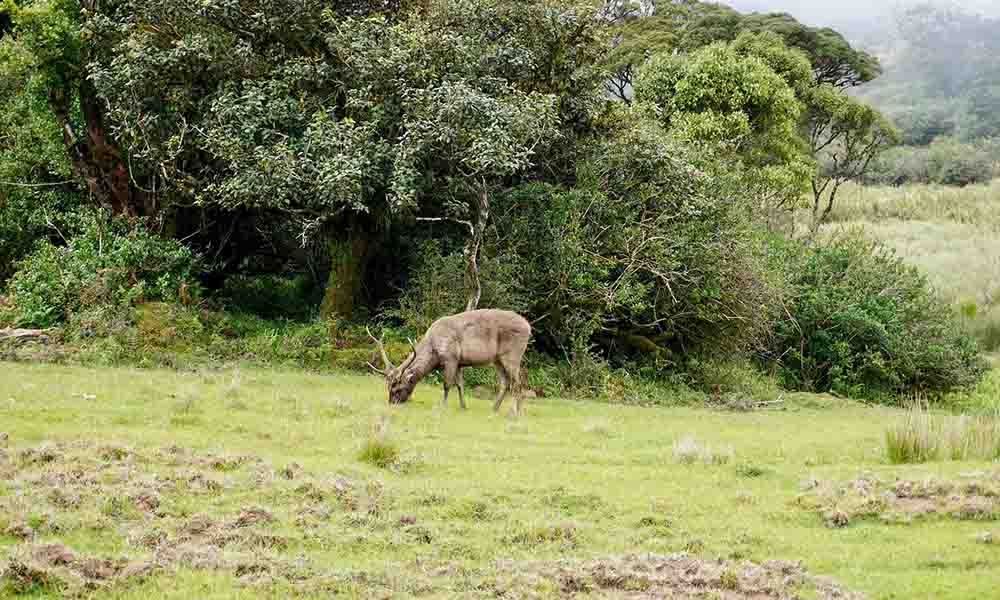
- Sri Lankan sambar deer (largest population on the island)
- Endemic highland birds including yellow-eared bulbuls and Sri Lanka whistling thrush
- Unique montane amphibians and reptiles
- Rare orchids and endemic plant species
What Makes It Special: The high-altitude ecosystem supports species found nowhere else in Sri Lanka. The park also features World’s End, a sheer 4,000-foot cliff offering spectacular views, and Baker’s Falls.
Best Time to Visit: January to March for clear skies; early morning visits essential to avoid afternoon mist.
Combine Horton Plains with central highlands tea country tours for a complete highland experience.
7. Horowpathana National Park – The Elephant Highway
Location: North Central Province
One of Sri Lanka’s newest and least-known national parks, Horowpathana protects crucial elephant corridors and ancient tank systems. This wildlife sanctuary offers authentic wilderness experiences far from tourist crowds.
Wildlife Highlights:
- Large elephant herds utilizing ancient migration routes
- Leopards and sloth bears in thick forests
- Mugger crocodiles in historic irrigation tanks
- Endemic bird species including Sri Lanka grey hornbill
- Ancient reservoirs built during Anuradhapura kingdom era
What Makes It Special: The park’s focus on protecting elephant corridors ensures sustainable wildlife populations. Historical tanks dating back over 1,000 years add archaeological interest.
Best Time to Visit: June to September for dry season wildlife concentrations.
8. Lunugamvehera National Park – The Elephant Transit Zone
Location: Uva Province, between Yala and Udawalawe
Lunugamvehera serves as a vital corridor connecting Yala and Udawalawe National Parks, allowing elephants to migrate between protected areas. Despite its ecological importance, this sanctuary remains largely off the tourist radar.
Wildlife Highlights:
- Elephant herds migrating between major parks
- Leopards utilizing forest corridors
- Water birds around Lunugamvehera Reservoir
- Crocodiles and water monitors
- Endemic reptiles and amphibians
What Makes It Special: Witnessing elephants in natural migration behavior provides insights into wildlife corridor conservation. The reservoir attracts diverse water birds year-round.
Best Time to Visit: May to September during elephant migration peaks.
9. Minneriya-Kaudulla Wildlife Corridor – The Gathering Season
Location: North Central Province
While Minneriya National Park has gained some recognition for “The Gathering,” nearby Kaudulla National Park and the connecting wildlife corridor remain lesser-known. This complex of protected areas hosts one of Asia’s greatest wildlife spectacles.
Wildlife Highlights:
- Up to 300 elephants during “The Gathering” (August-September)
- Leopards in surrounding forests
- Endemic toque macaques and purple-faced langurs
- Over 170 bird species including painted storks
- Ancient Minneriya and Kaudulla tanks built in 3rd century AD
What Makes It Special: Seasonal elephant concentrations create unparalleled wildlife viewing opportunities. The flexibility to visit either Minneriya or Kaudulla based on elephant movements ensures optimal sightings.
Best Time to Visit: July to September for peak elephant gatherings; experienced guides monitor daily elephant locations.
Plan your visit during The Gathering season with guides who track elephant movements daily between the two parks.
10. Knuckles Mountain Range – Montane Forest Biodiversity
Location: Central Province, Matale and Kandy Districts
This UNESCO World Heritage Site remains one of Sri Lanka’s most pristine wilderness areas. The Knuckles Mountain Range features rugged peaks, cloud forests, and exceptional endemic biodiversity in a relatively compact area.
Wildlife Highlights:
- Endemic purple-faced langurs in montane forests
- Rare Sri Lankan leopards in remote valleys
- Over 130 bird species including numerous endemics
- Unique montane reptiles and amphibians
- Incredible plant diversity with endemic orchids
What Makes It Special: The dramatic elevation changes create multiple ecosystems from lowland forests to cloud forests, each supporting distinct wildlife communities. Trekking opportunities allow intimate nature experiences.
Best Time to Visit: December to March for optimal trekking conditions and wildlife viewing.
Conservation Through Tourism: Supporting Sri Lanka’s Wildlife Sanctuaries
Visiting lesser-known wildlife sanctuaries directly supports conservation in several important ways:
Economic Benefits: Entrance fees and tourism revenue fund park management, anti-poaching patrols, and habitat restoration programs.
Community Involvement: Local communities around these parks benefit from guide employment, homestays, and sustainable livelihoods that incentivize wildlife protection.
Reduced Pressure: Distributing visitors across multiple sanctuaries reduces environmental impact on heavily visited parks while generating revenue for underfunded protected areas.
Endemic Species Protection: Many lesser-known sanctuaries protect critical habitats for Sri Lanka’s endemic species that exist nowhere else on Earth.
Ethical Wildlife Tourism Practices
When exploring Sri Lankan wildlife sanctuaries, follow these responsible tourism guidelines:
Maintain Distance: Never approach or feed wild animals. Allow wildlife to behave naturally without human interference.
Follow Guide Instructions: Experienced guides understand animal behavior and ensure both visitor safety and wildlife welfare.
Support Conservation: Choose tour operators committed to sustainable practices and contributing to conservation initiatives.
Minimize Impact: Stay on designated trails, avoid littering, and respect park regulations designed to protect ecosystems.
Photography Ethics: Use appropriate lenses for wildlife photography rather than approaching animals closely. Never use flash photography with nocturnal animals.
Planning Your Sri Lankan Wildlife Adventure
Best Overall Season: January to September offers optimal conditions across most parks, though specific sanctuaries have varying peak seasons.
Safari Duration: Allocate at least 3-4 hours per safari for meaningful wildlife encounters. Early morning (5:30-9:30 AM) and late afternoon (3:00-6:30 PM) safaris yield best results.
Transportation: Most wildlife sanctuaries require 4×4 vehicles. Book experienced drivers who know animal tracking and park geography.
Accommodation: Stay near park entrances to maximize safari time. Eco-lodges around lesser-known parks offer authentic experiences and support local conservation.
Guide Expertise: Knowledgeable guides transform wildlife viewing from simple sightings to educational experiences. Ceylon Tour Guides provides expert naturalists who understand animal behavior, ecology, and conservation.
Creating Your Perfect Wildlife Itinerary
For comprehensive Sri Lankan wildlife experiences, consider combining lesser-known sanctuaries with famous parks:
Southern Circuit (7-10 days):
- Bundala National Park for birds and wetlands
- Yala or Lunugamvehera for leopards
- Udawalawe for elephants
- Sinharaja Rainforest for endemic species
Central & Eastern Circuit (7-10 days):
- Minneriya or Kaudulla for The Gathering
- Gal Oya for boat safaris
- Maduru Oya for wilderness experiences
- Knuckles Range for montane forests
Leopard Trail (5-7 days):
- Wilpattu National Park
- Yala National Park
- Horton Plains for highland species
Customize your perfect Sri Lankan wildlife safari with expert guides who know these hidden sanctuaries intimately.
Conclusion: Beyond the Crowds
Sri Lanka’s lesser-known wildlife sanctuaries offer animal lovers extraordinary opportunities to connect with nature authentically. From swimming elephants in Gal Oya to flamingo flocks in Bundala, from cloud forest langurs in Knuckles to leopards in Wilpattu’s villus, these hidden gems showcase the island’s remarkable biodiversity.
By choosing to explore these off-the-beaten-path destinations, you’ll enjoy more intimate wildlife encounters while supporting conservation efforts that protect Sri Lanka’s precious endemic species and ecosystems. Whether you’re a serious wildlife photographer, bird watching enthusiast, or simply someone who loves animals, these sanctuaries promise unforgettable experiences away from tourist crowds.
Ready to discover Sri Lanka’s wildlife treasures? Contact Ceylon Tour Guides to plan your customized wildlife adventure to the island’s most spectacular hidden sanctuaries. Our expert naturalist guides know where to find leopards, elephants, endemic birds, and rare species across Sri Lanka’s diverse ecosystems.
Start your wildlife journey today and experience the magic of Sri Lanka’s lesser-known sanctuaries where nature still reigns supreme.
For more information about wildlife tours, safari packages, and eco-tourism experiences across Sri Lanka, visit Ceylon Tour Guides or contact our expert team to design your perfect animal-lover’s adventure.


