
Exploring Local Markets for Fresh Produce and Snacks: A Traveler’s Guide to Authentic Culinary Adventures
When traveling to exotic destinations like Sri Lanka, one of the most rewarding experiences is immersing yourself in the vibrant atmosphere of local markets. These bustling hubs offer more than just shopping opportunities—they provide a window into the culture, traditions, and daily life of local communities. If you’re planning your Sri Lankan adventure with Ceylon Tour Guides, exploring local markets for fresh produce and snacks should be at the top of your itinerary.
Why Visit Local Markets During Your Travels?
Local markets are the heartbeat of any community. Unlike sterile supermarkets or tourist-oriented shops, authentic farmers markets and street food stalls offer genuine interactions with locals, unbeatable prices, and the freshest ingredients you’ll find anywhere. For food enthusiasts and cultural explorers alike, market visits create unforgettable memories and photo opportunities.
The Authentic Food Experience
Shopping at local markets allows you to taste seasonal tropical fruits, sample traditional snacks, and discover regional specialties that rarely make it onto restaurant menus. From exotic fruits you’ve never seen before to freshly prepared street food cooked right in front of you, markets deliver authenticity that guidebooks can’t capture.
What to Expect at Sri Lankan Local Markets
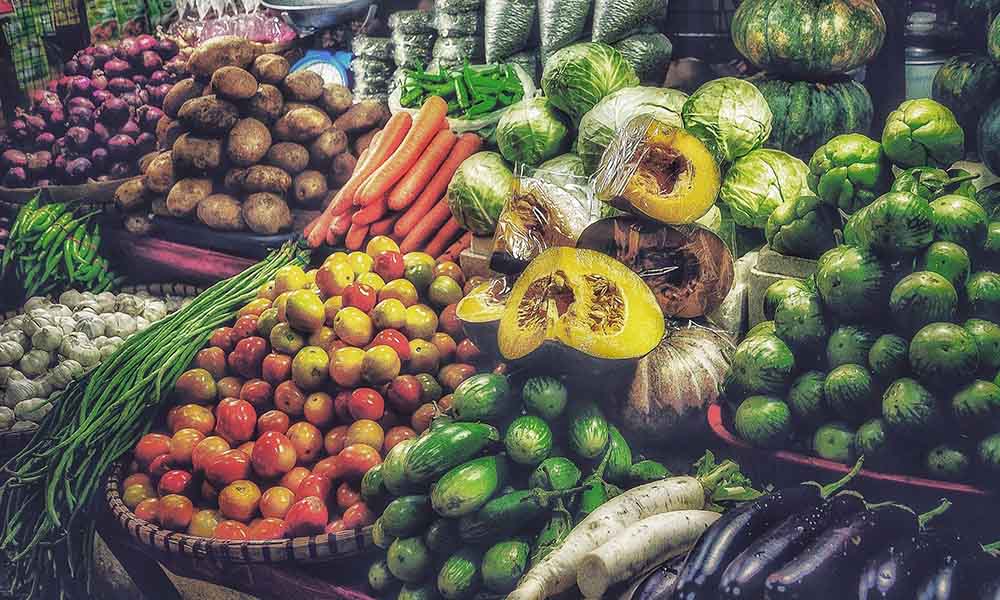
Sri Lanka’s markets are sensory overload in the best possible way. The colorful displays of fresh produce, the aromatic spices hanging in bundles, the friendly banter between vendors and customers—all combine to create an atmosphere that’s quintessentially Sri Lankan.
Fresh Produce Paradise
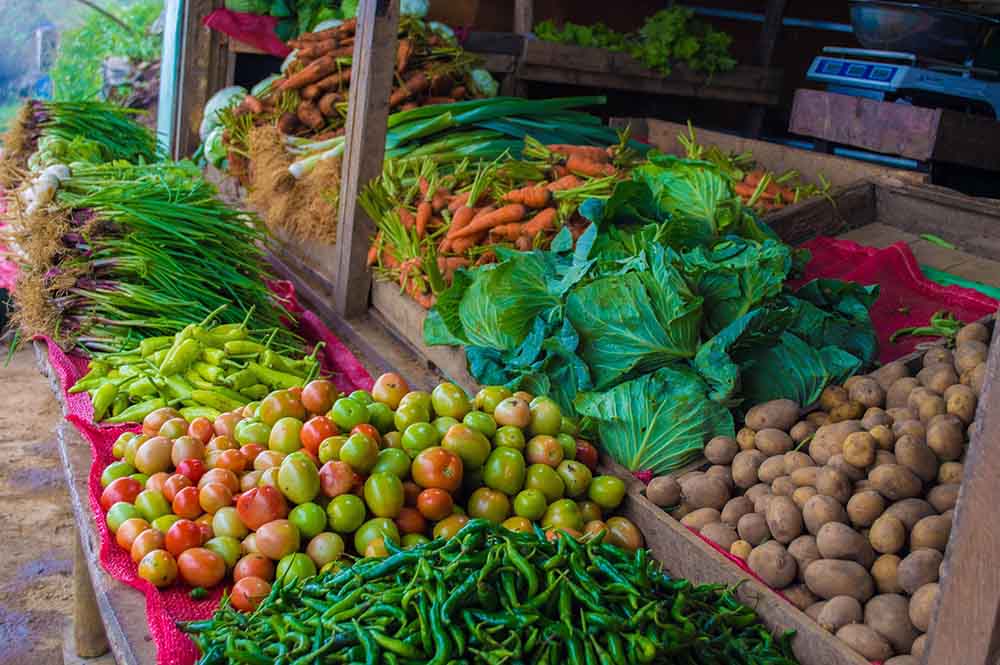
The tropical climate of Sri Lanka means markets overflow with incredible fresh produce year-round. You’ll find:
Tropical Fruits: Mangosteen, rambutan, wood apple, passion fruit, and numerous banana varieties that taste nothing like what you find in Western supermarkets. The king coconut, with its bright orange exterior, offers refreshing coconut water that vendors will crack open for you on the spot.
Vegetables and Leafy Greens: Drumstick, bitter gourd, snake beans, and various indigenous greens used in traditional Sri Lankan cooking. Many of these vegetables are organic and picked the same morning they’re sold.
Herbs and Spices: Fresh curry leaves, pandan leaves, lemongrass, and ginger root are essential to Sri Lankan cuisine and make wonderful souvenirs if properly packed.
Local Snacks and Street Food
Beyond fresh produce, Sri Lankan markets are treasure troves of ready-to-eat snacks and street food. These portable treats are perfect for fueling your sightseeing adventures:
Savory Delights: Wade (lentil fritters), isso wade (shrimp cakes), and samosas are fried to golden perfection throughout the day. Kottu roti, made by chopping roti with vegetables and meat on a hot griddle, creates a rhythmic clanging sound that draws crowds.
Sweet Treats: Kokis (crispy deep-fried cookies), kavum (oil cakes made with rice flour and treacle), and aluwa (a fudge-like sweet) satisfy any sugar craving. Fresh jaggery, made from palm sap, offers a healthier alternative to refined sugar.
Savory Snacks: Murukku (crunchy spiral snacks), mixture (a spicy snack mix), and various types of chips made from jackfruit, banana, or manioc.
Insider Tips for Market Shopping
To make the most of your local market experience, keep these practical tips in mind:
Go Early for the Best Selection
The freshest produce and widest variety appear in the early morning hours, typically between 6 AM and 9 AM. This is when locals do their shopping, and you’ll see the market at its most authentic. When booking your day tours with Ceylon Tour Guides, ask about starting early to catch the markets at their peak.
Bring Small Bills and Coins
Vendors often don’t have change for large bills, especially early in the day. Having exact change or small denominations makes transactions smoother and vendors more willing to negotiate.
Observe Before Purchasing
Watch how locals shop. Notice which stalls have the longest queues—that’s usually a sign of quality and fair pricing. See how locals inspect produce and which items they prioritize.
Don’t Be Afraid to Taste
Many fruit vendors will offer samples, especially if they see you’re genuinely interested. This is part of the market culture and helps you discover new flavors before committing to a purchase.
Learn Basic Local Phrases
A few words in Sinhala or Tamil go a long way. “Kohomada?” (How much?), “Eka tikak adu” (A little less, please), and “Bohoma sthuthi” (Thank you very much) will earn smiles and possibly better prices.
Negotiate Respectfully
Haggling is expected in most markets, but do it with a smile and respect. Start by offering about 20-30% less than the asking price for larger purchases. For small items, the difference might only be a few rupees—don’t haggle aggressively over insignificant amounts.
Food Safety and Hygiene Considerations
While local markets offer incredible culinary experiences, smart travelers take precautions:
Choose cooked street food that’s prepared fresh in front of you at high temperatures. Avoid items that have been sitting out for unknown periods. For fresh produce, select fruits and vegetables you can peel or cook. Wash everything thoroughly with bottled or purified water before consuming.
If you have a sensitive stomach, build up gradually—start with cooked items and familiar fruits before adventuring into more exotic territory. Carrying hand sanitizer and wet wipes is essential since handwashing facilities may be limited.
Best Markets to Visit in Sri Lanka
While your Ceylon Tour Guides itinerary might take you to various regions, these markets stand out:
Colombo’s Manning Market and Pettah Market offer the ultimate urban market experience with incredible variety and energy. Kandy’s main market provides a blend of fresh produce, spices, and handicrafts in a more manageable setting. Galle’s local markets combine coastal charm with excellent seafood and tropical fruits. Smaller town markets throughout the country often provide more intimate, authentic experiences with less tourist traffic.
Bringing Market Finds Back to Your Accommodation
If you’re staying at hotels or guesthouses during your Sri Lankan tour, ask if they can store your fresh produce purchases or if they have facilities for washing and preparing fruit. Many accommodations are happy to help, and some might even prepare local dishes using ingredients you’ve purchased.
For shelf-stable items like dried fruits, spices, tea, and packaged snacks, these make excellent souvenirs. Just ensure they’re properly sealed for travel and check customs regulations for your home country.
The Cultural Exchange
Beyond the food itself, local markets facilitate meaningful cultural exchanges. Vendors are often eager to share cooking tips, recipe suggestions, and stories about their products. These conversations, even when conducted partly through gestures and broken language, create connections that enrich your travel experience far more than any tourist attraction.
Ask vendors how to prepare unfamiliar ingredients, what’s currently in season, or what their personal favorites are. Many are proud to share their knowledge and appreciate travelers who show genuine interest in local food culture.
Sustainable and Responsible Market Tourism
Supporting local markets directly benefits small-scale farmers and vendors who form the backbone of the local economy. Your purchases help sustain traditional agriculture and food preparation methods that might otherwise disappear.
Buy only what you’ll actually consume to minimize waste. Bring reusable bags to reduce plastic usage. Treat vendors with the same respect you’d want in your own workplace—they’re running small businesses, not performing for tourists.
Conclusion
Exploring local markets for fresh produce and snacks transforms a ordinary vacation into an immersive cultural journey. The sights, sounds, smells, and tastes of Sri Lankan markets create memories that last far longer than any souvenir. Whether you’re biting into a just-cracked king coconut, sampling a crispy wade still warm from the fryer, or discovering a tropical fruit you can’t even name, these experiences capture the authentic spirit of travel.
When planning your adventure with Ceylon Tour Guides, make sure to include market visits in your itinerary. Your guide can navigate you through the best local markets, help with language barriers, and ensure you don’t miss hidden gems that most tourists never discover.
The true flavor of a destination isn’t found in five-star restaurants—it’s in the humble market stalls where locals shop, eat, and gather. So grab your reusable bag, bring your sense of adventure, and prepare your taste buds for an unforgettable journey through Sri Lanka’s vibrant local markets.
Ready to explore authentic Sri Lankan markets and cuisine? Contact Ceylon Tour Guides today to customize your food-focused travel itinerary and discover the fresh flavors of this beautiful island nation.


