
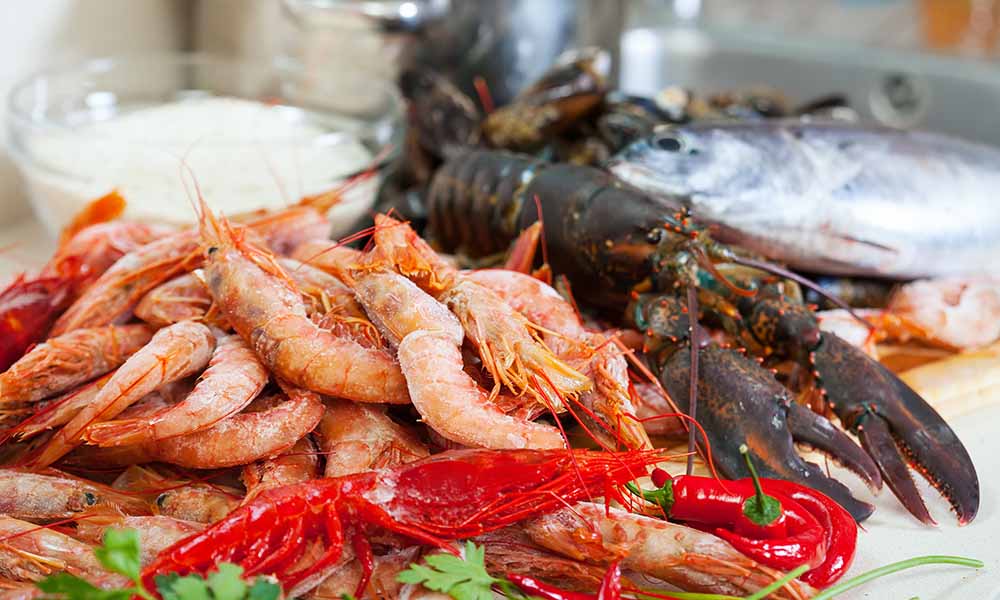
Seafood Specialties Along Sri Lanka’s Coastline: A Culinary Journey Through the Island’s Finest Catches
Sri Lanka’s 1,340 kilometers of sun-kissed coastline offers more than just pristine beaches and swaying palms. The island’s waters teem with an incredible variety of seafood that has shaped the culinary identity of coastal communities for centuries. From the northern shores of Jaffna to the southern tip of Dondra, each region brings its own unique flavors and preparations to the table.
When you explore Sri Lanka with experienced guides, you’ll discover that the country’s seafood culture is as diverse as its landscape. The Indian Ocean’s generous bounty combined with centuries-old recipes creates a gastronomic experience that rivals any coastal destination in the world.
The Rich Tradition of Sri Lankan Coastal Cuisine
Sri Lankan seafood cuisine reflects the island’s position along ancient maritime trade routes. Arab, Portuguese, Dutch, and British influences have blended seamlessly with indigenous cooking methods to create dishes that are distinctly Sri Lankan. The liberal use of coconut milk, tamarind, goraka (Garcinia cambogia), and an array of spices transforms simple fish and shellfish into extraordinary culinary experiences.
The coastal Sinhalese, Tamil, and Muslim communities each contribute their own techniques and flavor profiles. This diversity means that a fish curry in Negombo tastes markedly different from one in Batticaloa, and both differ from the Jaffna-style preparation.
Must-Try Sri Lankan Seafood Dishes
Ambul Thiyal (Sour Fish Curry)
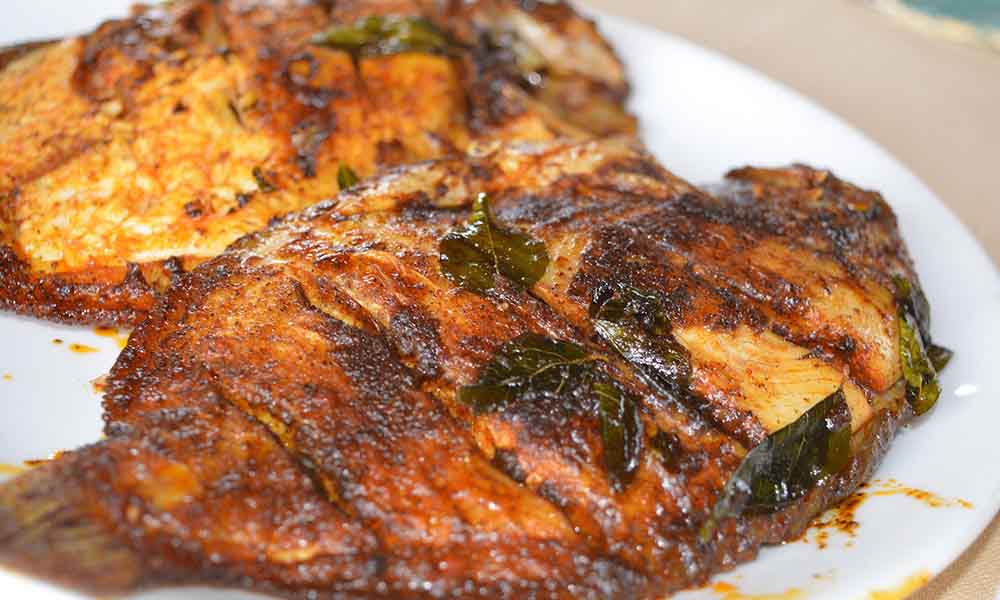
Perhaps the most iconic Sri Lankan fish dish, ambul thiyal hails from the southern coastal regions. This dry fish curry uses chunks of tuna or another firm fish cooked with goraka, black pepper, cinnamon, and curry leaves until the liquid evaporates. The result is an intensely flavored, tangy dish that can last for days without refrigeration, a practical solution developed by fishermen for long journeys at sea.
The best ambul thiyal features a perfect balance between the sourness of goraka and the warmth of spices, with the fish remaining tender despite the long cooking process.
Jaffna Crab Curry
The Jaffna Peninsula in northern Sri Lanka is famous for its distinctive crab curry. Unlike the coconut milk-based curries of the south, Jaffna crab curry features a robust, spicy gravy made with roasted curry powder, tamarind, and tomatoes. The crabs, typically mud crabs from the lagoons, are cooked whole and served in generous portions.
Breaking apart the shells and savoring the meat drenched in spicy gravy is a hands-on experience that epitomizes Sri Lankan coastal dining. When you plan your northern Sri Lanka itinerary, make sure crab curry is on your list.
Isso Wadey (Prawn Fritters)
These golden, crispy fritters are a beloved street food along the coast. Small prawns are mixed with lentils, onions, green chilies, and curry leaves, then deep-fried until perfectly crunchy. Isso wadey makes an excellent snack with evening tea or as an appetizer before a seafood feast.
Negombo Lagoon Specialties
The lagoon city of Negombo, just north of Colombo, is the heart of Sri Lanka’s fishing industry. Here, you’ll find the freshest catches prepared in traditional Catholic Sinhalese style, reflecting the area’s Portuguese heritage. Dishes like prawn curry with coconut milk, grilled fish with lemon and garlic, and cuttlefish ink curry showcase the lagoon’s bounty.
Kukul Mas (Squid or Cuttlefish Curry)
Squid and cuttlefish curries are staples in coastal households. The tender pieces are cooked in a rich, spicy coconut gravy with curry leaves, pandan, and lemongrass. Some variations include coconut milk for creaminess, while others keep it dry and concentrated.
Regional Seafood Experiences
West Coast: Negombo to Colombo
The western coastline offers the most accessible seafood experiences for travelers. Negombo’s fish market is a sensory explosion where you can witness the morning catch being auctioned off. The area’s restaurants serve everything from simple fried fish to elaborate seafood platters.
Booking a guided tour along the west coast allows you to visit local fishing villages, watch traditional outrigger canoes return with their catch, and enjoy authentic meals prepared by fishing families.
South Coast: Galle to Tangalle
The southern coast combines colonial charm with exceptional seafood. In Galle Fort, you’ll find upscale restaurants serving fusion dishes alongside traditional preparations. The beaches of Mirissa, Weligama, and Tangalle offer beach shacks where fresh fish, prawns, and lobster are grilled to order.
The south is also where you’ll find the best ambul thiyal, as this is its place of origin. Small family-run restaurants in Matara and Tangalle serve versions that have been perfected over generations.
East Coast: Trincomalee and Batticaloa
The east coast remained relatively isolated until recent years, which means the seafood traditions here are remarkably authentic. Trincomalee’s fish market rivals Negombo’s in variety and freshness. The Tamil and Muslim communities here prepare seafood with distinctive spice blends that include more fennel, fenugreek, and mustard seeds than you’ll find elsewhere.
Batticaloa is famous for its lagoon prawns and singing fish phenomenon. The seafood here tends to be spicier and less reliant on coconut milk than southern preparations.
North Coast: Jaffna Peninsula
Jaffna’s cuisine is unique in Sri Lanka, and its seafood is no exception. Besides the famous crab curry, try the prawn pulao, fish cutlets, and dried fish preparations. The use of palmyrah products, including toddy (palm wine) in some recipes, adds a distinctive local character.
Where to Find the Best Seafood
Local Fish Markets
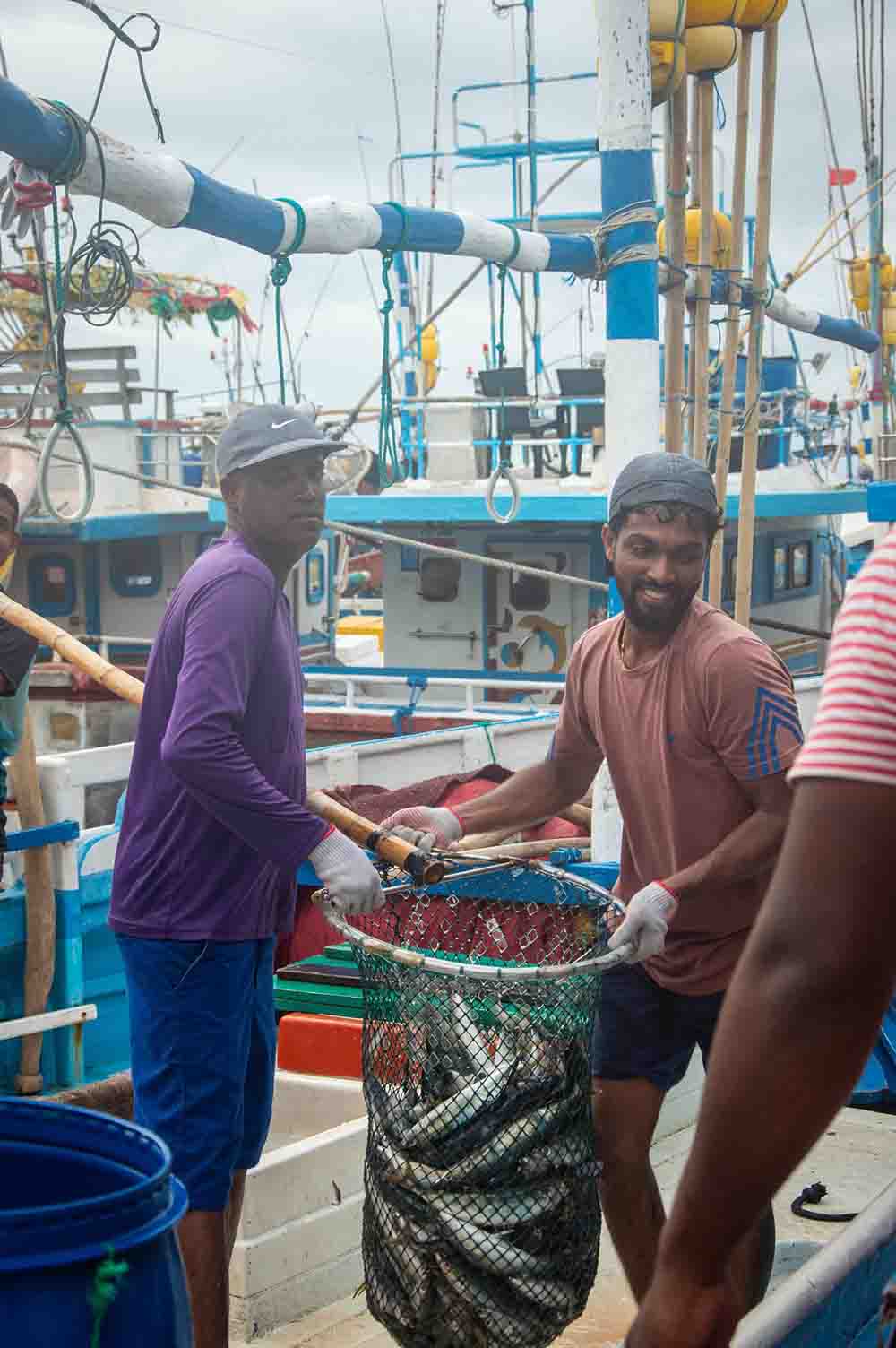
Visiting a fish market early in the morning is essential for any seafood lover. Negombo, Trincomalee, Beruwala, and Mirissa all have vibrant markets where you can see tuna, seer fish, kingfish, red snapper, squid, cuttlefish, crabs, prawns, and lobster displayed in impressive abundance.
Beach Restaurants and Shacks
Some of the most memorable seafood meals happen at simple beach shacks. Choose your fish from a display, specify how you want it cooked (grilled, fried, or curried), and enjoy it with rice, salad, and perhaps a cold beverage while your toes touch the sand.
Home-Style Restaurants
Family-run restaurants in fishing villages offer the most authentic experiences. These establishments serve whatever was caught that day, prepared using recipes passed down through generations. The hospitality is warm, portions are generous, and prices are remarkably reasonable.
Upscale Dining
For those seeking refined presentations, Sri Lanka’s coastal hotels and boutique restaurants deliver exceptional experiences. Chefs combine traditional flavors with contemporary techniques, creating dishes that honor heritage while appealing to international palates.
Sustainability and Responsible Consumption
Sri Lankan fisheries face pressure from overfishing and climate change. Responsible travelers can support sustainable practices by choosing restaurants that source locally, avoiding endangered species like certain shark varieties, and respecting seasonal variations in availability.
Many coastal communities are adopting sustainable fishing methods, and supporting these communities through responsible tourism helps preserve both the marine environment and traditional livelihoods.
Best Times for Seafood in Sri Lanka
Sri Lanka’s two monsoon seasons affect fishing patterns. The southwest monsoon (May to September) brings rough seas to the west and south coasts, though fishing continues on a smaller scale. The northeast monsoon (November to February) affects the east coast similarly.
Generally, the best seafood availability coincides with calm seas: November to April on the west and south coasts, and April to September on the east coast. However, lagoon catches and fish markets in protected harbors operate year-round.
Pairing Seafood with Sri Lankan Sides
No seafood meal is complete without proper accompaniments. Rice is the foundation, but the sides elevate the experience. Try pol sambol (spicy coconut relish), seeni sambol (caramelized onion relish), fried bitter gourd, tempered green beans, and papadam. Coconut roti or string hoppers also pair beautifully with fish curries.
A squeeze of lime, a cold beverage, and the sound of waves create the perfect coastal dining atmosphere.
Planning Your Seafood Journey
When you plan your Sri Lankan adventure with expert guides, you can create an itinerary that highlights the country’s diverse coastal cuisine. A well-planned tour can include visits to fish markets, cooking demonstrations with local families, dining at hidden gem restaurants, and even fishing trips with traditional crews.
Your guide can help navigate menus, explain preparation methods, and ensure you experience regional specialties that casual tourists might miss. They can also accommodate dietary preferences and spice tolerance levels while helping you discover authentic flavors.
Cooking Classes and Culinary Experiences
Several coastal locations offer cooking classes where you can learn to prepare Sri Lankan seafood dishes. These hands-on experiences typically begin with a market visit to select ingredients, followed by instruction in traditional cooking techniques. You’ll leave with recipes and skills to recreate these flavors at home.
Tips for Enjoying Sri Lankan Seafood
Always eat at busy restaurants where turnover ensures freshness. Don’t be afraid to ask how spicy a dish is and request adjustments. Most cooks are happy to accommodate preferences. Wash your hands before eating, as many Sri Lankan seafood dishes are best enjoyed with your fingers.
If you’re unsure about a dish, ask your guide or the restaurant staff for recommendations. They’ll steer you toward specialties and help you understand what you’re eating.
Be adventurous but sensible. While street food is generally safe, stick to vendors with good hygiene practices and hot, freshly cooked food.
The Cultural Significance of Seafood
Seafood is more than sustenance in coastal Sri Lanka; it’s woven into the social and cultural fabric. Fishing communities have their own festivals, rituals, and traditions. The blessing of fishing boats, offerings to the sea, and celebration feasts after good catches are integral to coastal life.
Understanding this cultural context enriches your dining experiences. When you eat seafood prepared by fishing families, you’re not just enjoying a meal; you’re participating in a tradition that spans generations.
Conclusion: A Feast for the Senses
Sri Lanka’s coastline offers an unparalleled seafood journey that combines pristine ingredients, centuries-old recipes, and genuine hospitality. From humble beach shacks to elegant restaurants, from fiery Jaffna curries to tangy southern ambul thiyal, the variety ensures every meal becomes a memorable experience.
The next time you explore Sri Lanka’s magnificent coast, let your taste buds guide you. Follow the scent of grilled fish, the sound of sizzling prawns, and the sight of colorful curries. Each dish tells a story of the island’s maritime heritage, its cultural diversity, and the skill of its coastal communities.
Whether you’re a dedicated foodie or simply someone who enjoys fresh, flavorful meals, Sri Lanka’s seafood specialties promise to be a highlight of your travels. The combination of ocean-fresh ingredients, bold spices, and warm hospitality creates dining experiences you’ll treasure long after your journey ends.


