Seasonal Harvest Festivals and Celebrations in Sri Lanka: A Cultural Journey
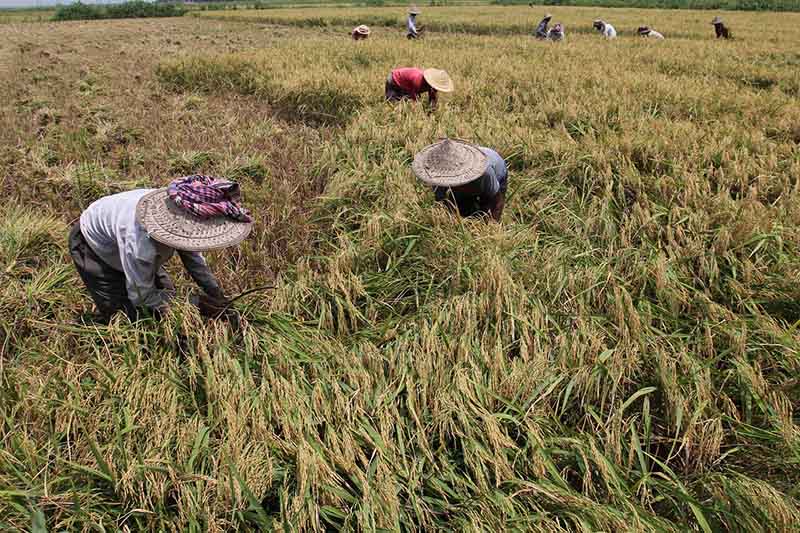
Sri Lanka’s agricultural heritage comes alive through vibrant harvest festivals. These seasonal celebrations honor the island’s bountiful crops and deep-rooted traditions. Moreover, they offer travelers an authentic glimpse into the spiritual and cultural fabric of this tropical paradise. Farming communities celebrate ancient customs passed down through generations.
Sinhala and Tamil New Year: The Grand Harvest Celebration
The most spectacular harvest festival in Sri Lanka is the Sinhala and Tamil New Year. Celebrated in mid-April, this festival marks the astronomical new year. The sun moves from Pisces to Aries during this time. Furthermore, this transition signals the end of the harvest season.
Families across the island gather to perform traditional rituals. They prepare festive meals with freshly harvested rice. Additionally, they engage in cultural games and activities. The celebration includes lighting the hearth at an auspicious time. People prepare milk rice (kiribath) and share sweets with neighbors.
Villages come alive with colorful decorations. Traditional music fills the air. Communal feasts showcase the agricultural abundance of the season. For travelers planning to experience this celebration, Ceylon Tour Guides offers specially curated cultural tours. These tours immerse you in authentic New Year festivities with local families.
Thai Pongal: The Tamil Harvest Thanksgiving
Thai Pongal is the Tamil community’s primary harvest festival. Celebrated in January, this four-day event honors the sun god. It expresses gratitude for agricultural prosperity. The name “Pongal” refers to sweetened rice boiled with milk. Significantly, the milk must overflow the pot, symbolizing abundance.
Families rise early to boil fresh milk in clay pots. They decorate these pots with turmeric plants and sugarcane stalks. As the milk boils over, they shout “Pongalo Pongal!” in jubilation. Meanwhile, traditional kolam designs adorn doorsteps. Farmers decorate cattle with bells and painted horns. These decorations recognize the animals’ contribution to farming.
The northern and eastern regions showcase the most elaborate Pongal celebrations. Entire villages participate in collective rituals and cultural performances. Therefore, consider booking a customized cultural tour to witness these authentic celebrations.
Aluth Sahal Mangallaya: The First Rice Harvest Ceremony
Aluth Sahal Mangallaya is an ancient Buddhist ritual. Farmers perform this ceremony when harvesting their first crop of the season. Deeply rooted in Sinhalese tradition, this ritual involves offering the first rice to Buddhist monks.
The ritual begins with farmers selecting the finest grains. They cook these grains into milk rice. Subsequently, they offer it to monks during morning alms-giving. Only after the monks accept the offering can the family eat the new harvest.
This beautiful tradition continues in rural villages across Sri Lanka. The central and southern regions preserve these customs. Areas surrounding Anuradhapura and Polonnaruwa are particularly significant. Travelers interested in Buddhist culture can explore these regions through heritage tours. These tours connect you with local farming communities.
Vel Festival: Celebrating Agricultural Deity Skanda
The Vel Festival honors Lord Skanda (Murugan). People celebrate this festival annually in Colombo and Jaffna. Hindus associate Lord Skanda with harvest and prosperity. While primarily religious, the festival coincides with harvest season. Devotees offer freshly harvested fruits, vegetables, and grains.
The most spectacular Vel Festival occurs in Colombo. An ornate chariot carries the sacred Vel (spear) through the streets. It travels from the Sea Street Temple to the Bambalapitiya Temple. Devotees offer seasonal produce at temples. They seek blessings for continued agricultural success.
Esala Perahera: Monsoon and Harvest Blessings
The Esala Perahera in Kandy primarily honors the Sacred Tooth Relic. However, it also serves as a ritual to invoke rain and harvest blessings. This magnificent procession occurs in July or August. It features decorated elephants, traditional dancers, drummers, and fire performers.
The festival holds agricultural significance. It occurs during the Yala cultivation season. Historically, it connects to ensuring adequate monsoon rains. The ceremonial water-cutting ritual occurs at the Mahaweli River. This ritual seeks divine blessings for water abundance.
UNESCO recognizes this cultural masterpiece. Experience it by planning your visit during festival season. Ceylon Tour Guides provides expert-guided experiences. They secure prime viewing positions and explain the cultural significance.
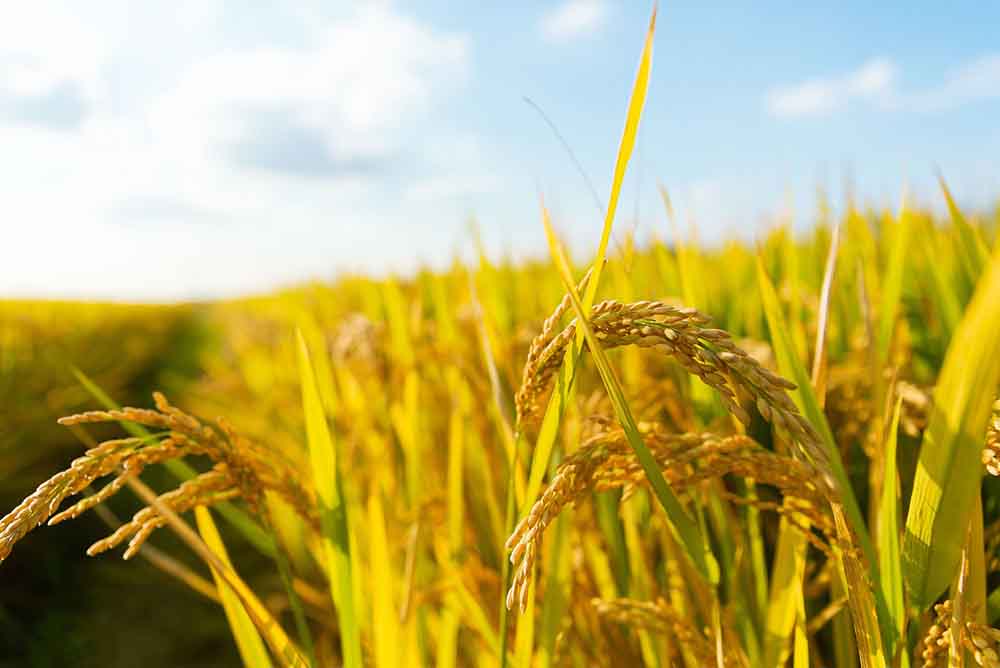
Regional Harvest Celebrations Across Sri Lanka
Different regions of Sri Lanka host unique harvest celebrations. These reflect local agricultural practices and cultural traditions.
Upcountry Tea Plucking Festivals
The hill country celebrates tea harvest seasons. Plantation communities host cultural programs. These festivals showcase Tamil estate workers’ contributions. They include traditional dance performances. Additionally, they feature tea-tasting ceremonies and processing demonstrations.
Coconut Harvest Ceremonies in Coastal Areas
Coastal communities hold special blessing ceremonies. These occur during major coconut harvesting periods. The western and southern provinces are particularly active. Rituals involve offerings to Hindu deities and Buddhist monks. Afterward, communities share fresh king coconut water and coconut-based delicacies.
Spice Harvest Celebrations in Matale and Kandy
The central highlands are famous for spice cultivation. Communities celebrate successful harvests of cardamom, pepper, cloves, and cinnamon. These celebrations include temple ceremonies and family gatherings. People prepare special curries using newly harvested spices. Traditional healing rituals are also performed.
Experiencing Harvest Festivals as a Traveler
Participating in Sri Lankan harvest festivals offers unique opportunities. You can connect with local communities and understand agricultural traditions. Moreover, you experience authentic cultural celebrations. Here are some tips for making the most of your visit:
Plan Ahead: Major festivals require advance booking. Sinhala Tamil New Year and Esala Perahera are especially popular. Contact Ceylon Tour Guides several months in advance. This ensures the best experiences.
Dress Respectfully: Wear modest clothing when visiting temples. Cover your shoulders and knees during religious ceremonies. White or light-colored clothing is traditional for many harvest rituals.
Engage with Communities: Accept invitations to share meals. Participate in traditional games. Sri Lankan hospitality shines brightest during festival seasons. Locals warmly welcome respectful travelers into their celebrations.
Learn Basic Customs: Understanding simple gestures enhances your experience. Learn how to receive offerings with both hands. Remember to remove shoes before entering sacred spaces. These gestures show cultural respect.
Support Local Artisans: Harvest festivals feature markets selling traditional crafts. You’ll find handwoven baskets, clay pots, and seasonal treats. Purchasing these items supports local economies. Furthermore, they provide authentic souvenirs.
The Agricultural Calendar and Festival Planning
Sri Lanka’s agricultural calendar follows two main cultivation seasons. These seasons influence festival timing.
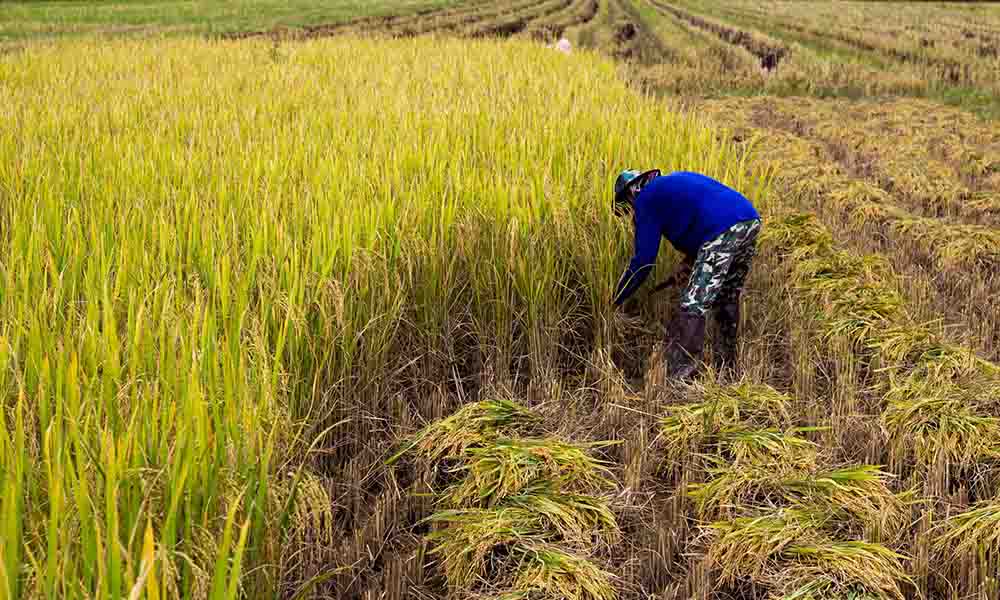
Maha Season runs from October to March. This is the major cultivation season. Northeast monsoons bless this period. Harvest typically occurs from February to March. Consequently, April brings New Year celebrations.
Yala Season runs from April to September. This is the minor cultivation season. Southwest monsoons support this period. Harvest occurs from July to August. This coincides with the Esala Perahera period.
Planning your visit around these cycles offers unique opportunities. You can witness authentic harvest activities in paddy fields. Additionally, you participate in traditional ceremonies. You experience festivals at their peak celebration period.
Culinary Traditions of Harvest Festivals
Sri Lankan harvest festivals feature traditional foods. People prepare these dishes from freshly harvested ingredients. Each celebration features specific symbolic dishes.
Kiribath (milk rice) symbolizes prosperity. People prepare it for all major celebrations. The first portion goes to deities or monks. Only then do families consume it.
Kevum, kokis, and athirasa are traditional sweetmeats. They’re made from rice flour, treacle, and coconut oil. These represent the sweetness of successful harvests.
Watalappan is a coconut custard pudding. It combines jaggery from palm harvests with spices. Cardamom and nutmeg from spice gardens add flavor.
Fresh fruit offerings include bananas, mangoes, and pineapples. People arrange them on banana leaves. These serve as temple offerings. Afterward, communities share them.
Food-focused travelers can arrange culinary tours. These include cooking classes with local families during festival seasons. You learn to prepare traditional harvest dishes using authentic methods.
Sustainable Tourism and Harvest Festivals
Cultural tourism continues to grow. Therefore, maintaining festival authenticity becomes crucial. Responsible travelers can support these traditions in several ways:
- Choose locally-owned tour operators who employ community members
- Participate in agritourism experiences benefiting farming families
- Purchase produce and handicrafts directly from farmers
- Respect sacred spaces and follow local customs
- Learn about and support traditional farming methods
Working with established operators like Ceylon Tour Guides ensures ethical festival visits. They obtain proper permissions from temple authorities. Moreover, they ensure fair compensation for host communities.
Conclusion: Celebrating Sri Lanka’s Living Agricultural Heritage
Seasonal harvest festivals in Sri Lanka represent living traditions. They connect modern communities to ancient agricultural wisdom. These celebrations transcend mere tourism attractions. Instead, they offer profound insights into Sri Lankan culture.
You might witness joyous milk rice preparation during New Year. Alternatively, you could participate in Pongal’s sunrise ceremonies. You may receive blessings during Aluth Sahal Mangallaya. Perhaps you’ll marvel at the Esala Perahera’s grandeur. Each harvest festival provides transformative cultural experiences.
Start planning your cultural journey through Sri Lanka’s harvest festival calendar. Get expert guidance from Ceylon Tour Guides. Experienced local guides ensure authentic, respectful encounters. They create unforgettable experiences with the island’s agricultural heritage.