Traditional Music Experiences Across Sri Lanka: A Journey Through Rhythms and Melodies
Sri Lanka’s musical heritage pulses through every corner of the island. Furthermore, the sounds range from thunderous Kandyan drums in temple courtyards to gentle fishermen’s folk songs along the southern coast. For travelers seeking authentic cultural immersion, traditional music experiences offer a profound window into the island’s soul.
The Heartbeat of Sri Lankan Culture
Traditional music in Sri Lanka isn’t merely entertainment. Instead, it’s a living art form woven into daily life, religious ceremonies, and cultural celebrations. When you explore Sri Lanka with experienced local guides, you’ll discover music as a bridge between past and present. Moreover, it connects modern Sri Lankans with their ancestral roots.
Kandyan Drumming: The Pulse of the Hill Country
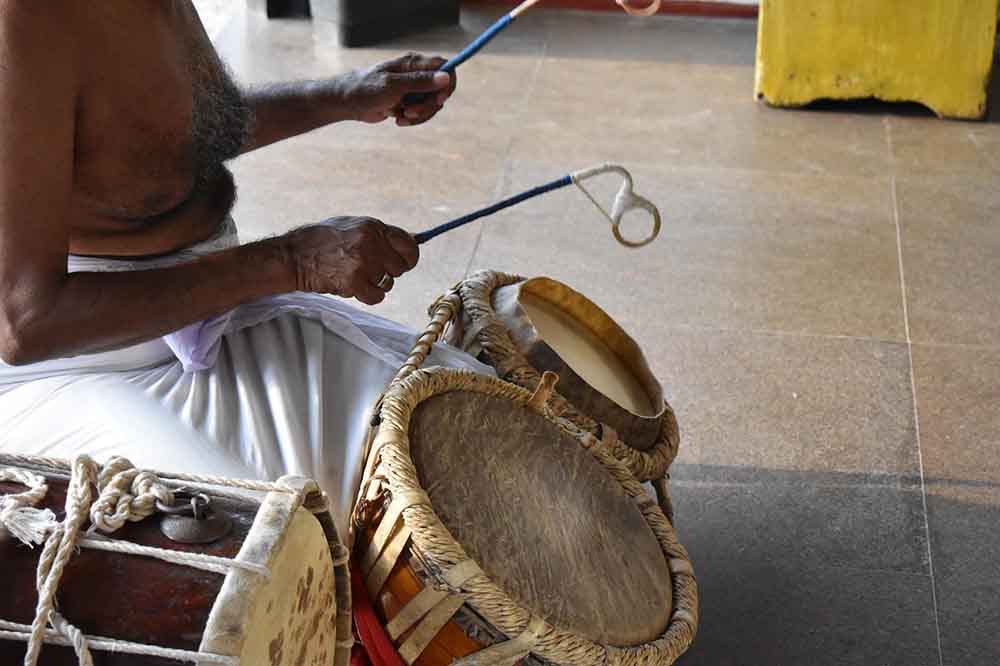
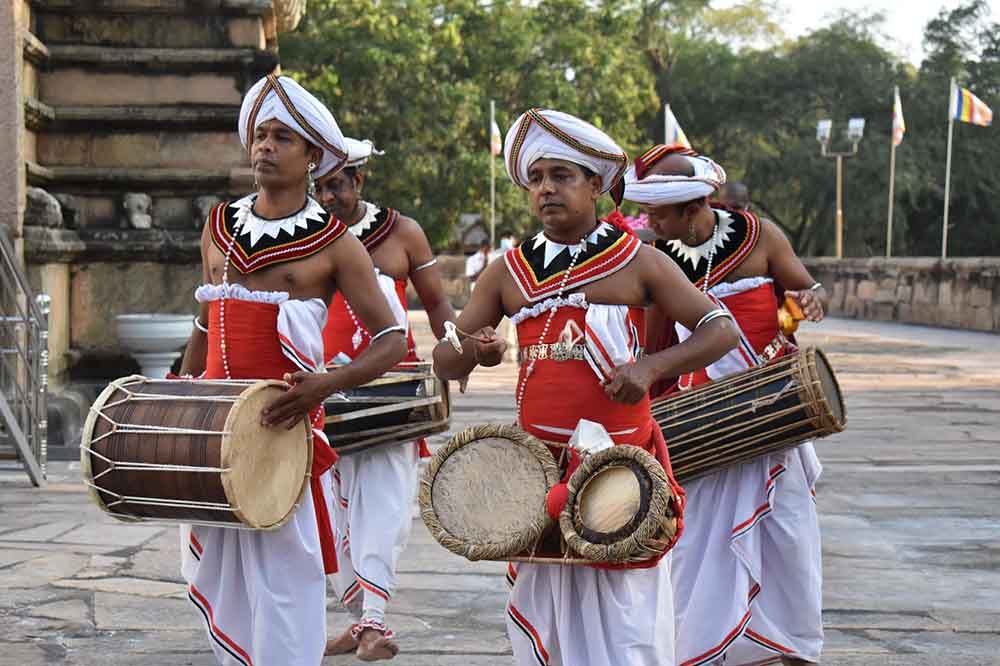
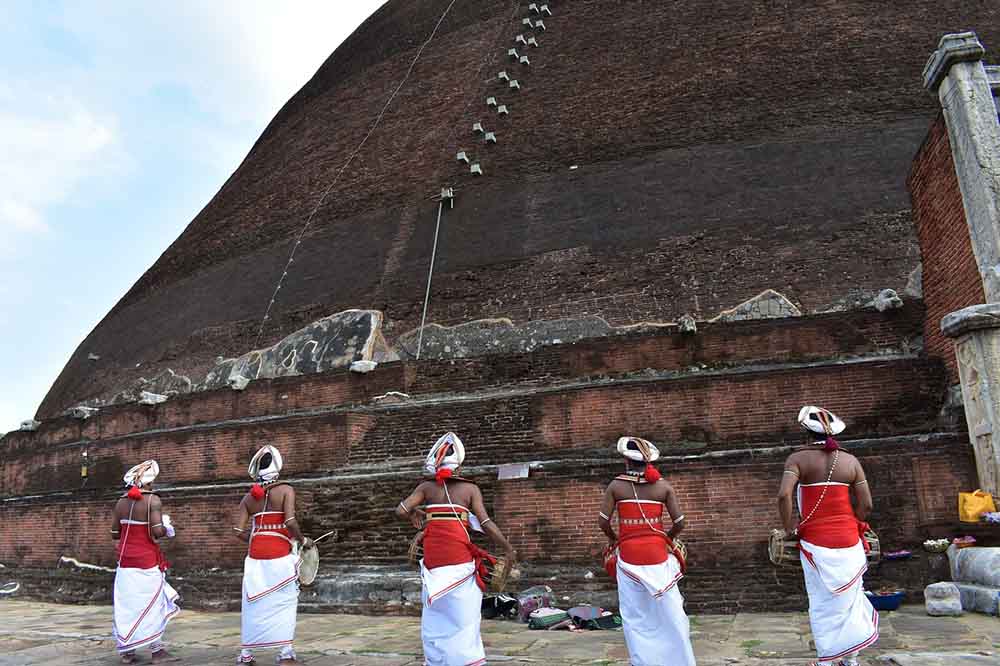
No visit to Sri Lanka’s cultural triangle is complete without experiencing Kandyan drumming. This percussion tradition originates in the ancient kingdom of Kandy. Additionally, it features the distinctive “geta beraya” drum. This instrument produces a resonant sound you can feel as much as hear.
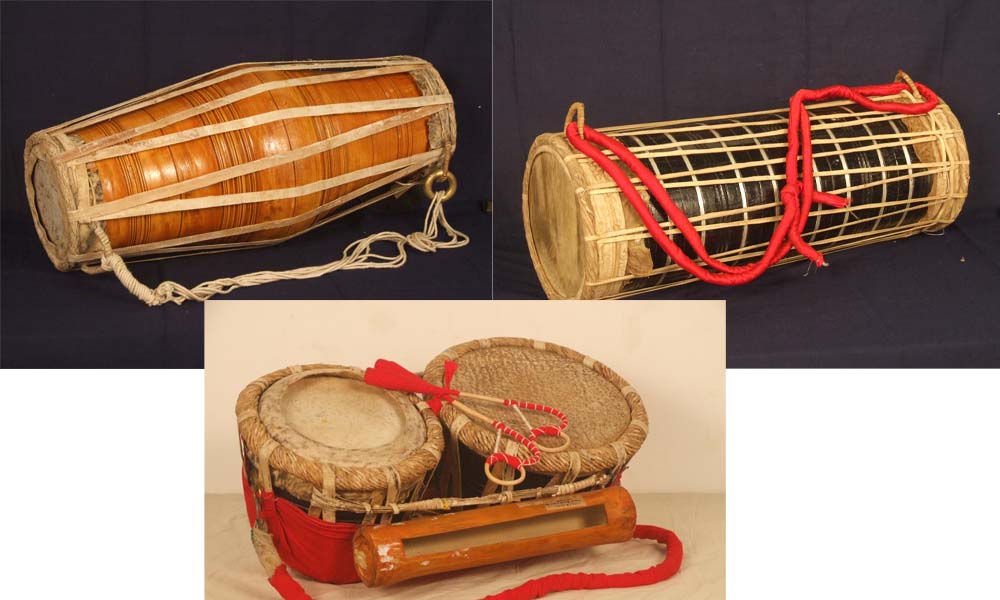
The Kandyan drum ensemble includes multiple percussion instruments. These instruments work together in intricate rhythmic patterns. Often, these performances accompany the famous Kandyan dance. Elaborately costumed dancers move with acrobatic precision to the commanding beat.
Visitors can witness spectacular performances at cultural centers in Kandy. Alternatively, you can arrange private sessions with master drummers. During these sessions, musicians share stories and techniques passed down through generations.
Where to Experience It: Cultural shows in Kandy, temple ceremonies, and specialized cultural tour packages that include workshops with traditional musicians.
Low Country Dancing and Drumming: Coastal Traditions
The hill country boasts Kandyan traditions. However, the coastal regions have their own distinctive musical heritage. Low country drumming uses the “yak beraya” drum. Furthermore, it accompanies exorcism rituals and folk dramas known as “kolam.” These performances blend music, dance, and theater into mesmerizing nighttime spectacles.
Low country music reflects various cultural influences. Throughout history, many cultures have touched Sri Lanka’s shores. Consequently, this creates a unique fusion that distinguishes it from highland traditions.
Baila: The People’s Music
For a taste of popular Sri Lankan folk music, immerse yourself in baila. This infectious genre combines Portuguese, African, and local influences. As a result, it creates an irresistible rhythm that gets everyone dancing.
Baila was born in the cafés and streets of coastal communities. It tells stories of love, heartbreak, and everyday life with humor. Modern baila performances blend traditional acoustic instruments with contemporary sounds. Nevertheless, the most authentic experiences happen in local villages. Musicians gather for impromptu sessions in these settings.
Your local tour guide can connect you with these communities. Here, baila remains an integral part of social gatherings.
Temple Ceremonies: Music as Devotion
Sri Lankan Buddhism incorporates music as devotional practice. The haunting sounds of conch shells fill temple spaces. Additionally, monks chant rhythmically while temple bells ring melodiously. Together, these elements create an atmosphere of profound spirituality.
Evening “puja” ceremonies at temples feature elaborate musical offerings. For instance, the Temple of the Tooth in Kandy showcases traditional instruments accompanying religious rituals. These ceremonies provide deeply moving experiences for visitors. Furthermore, they offer insight into how music functions as a pathway to the sacred.
Traditional Musical Instruments Worth Discovering
Sri Lanka’s musical tradition features fascinating indigenous instruments. Here are the most notable ones:
Raban: A one-sided drum played during festivities and New Year celebrations. It produces bright, celebratory sounds.
Thalampata: Small cymbals that add bright accents to ensemble performances. They create shimmering tones.
Horanewa: A clarinet-like wind instrument with a distinctive nasal tone. It’s commonly used in processions.
Magul Bera: Ceremonial drums used during weddings and auspicious occasions. These drums announce celebrations.
Many cultural centers offer demonstrations of these instruments. Additionally, music schools provide insights into their construction and cultural significance. Therefore, you can both see and learn about these unique instruments.
Folk Music in Rural Villages
The most authentic musical experiences await in Sri Lanka’s rural heartland. Farmers’ harvest songs, called “vel kavi,” celebrate agricultural cycles. These songs use call-and-response patterns that have remained unchanged for centuries.
Women’s work songs accompany tasks like rice pounding. Meanwhile, fishermen’s sea shanties tell tales of ocean adventures. Arranging village homestays and cultural experiences allows you to participate in these living traditions. Consequently, you’ll experience more than just observation from a distance.
Music and Dance Performances: What to Expect
Professional cultural shows provide an excellent introduction to Sri Lanka’s musical diversity. Typically, these performances showcase a variety of regional styles. They range from high-energy Kandyan dances to graceful Vannam classical dance. All performances feature live traditional music.
However, the most memorable experiences often happen spontaneously. For example, you might encounter music at a village festival or during a religious procession. Similarly, local tea shops host musicians who gather after work. These unscripted moments reveal music’s authentic role in Sri Lankan life.
Learning Traditional Music
Several institutions offer workshops for travelers wanting deeper engagement. These range from single-session drum lessons to week-long intensive programs. Even learning basic rhythms on a traditional drum provides valuable insight. Furthermore, it reveals the complexity and sophistication of these art forms.
Best Times to Experience Traditional Music
Music permeates Sri Lankan culture year-round. Nevertheless, certain festivals offer particularly rich opportunities. The Esala Perahera in Kandy runs from July to August. It features nightly processions with hundreds of drummers and dancers.
Additionally, the Sinhala and Tamil New Year happens in April. This celebration brings out traditional games and music across the island. Buddhist full moon days also showcase increased temple ceremonies with musical components.
Planning Your Musical Journey
When booking your Sri Lanka tour, communicate your interest in traditional music. This ensures your itinerary includes relevant experiences. Knowledgeable local guides can arrange various encounters. These range from temple ceremonies to private performances by master musicians.
Moreover, they explain the cultural context that makes experiences meaningful. Consider dedicating time in cultural hubs like Kandy. Similarly, explore Colombo’s cultural centers or the southern coastal regions. Different musical traditions flourish in each area.
Additionally, flexibility in your schedule allows for spontaneous discoveries. Perhaps you’ll stumble upon a village celebration or temple festival.
Respectful Engagement
When experiencing traditional music in Sri Lanka, remember you’re engaging with sacred cultural practices. Therefore, dress modestly for temple ceremonies. Always ask permission before photographing performers. Furthermore, show appreciation through attentive silence during performances.
Many musicians appreciate genuine interest and thoughtful questions. Your guide can facilitate these conversations. Consequently, you’ll understand not just what you’re experiencing, but why it matters.
The Future of Traditional Music
Sri Lanka’s traditional music faces pressures from urbanization and modernization. However, renewed interest from younger generations provides hope. Cultural tourism also supports preservation efforts. By seeking authentic musical experiences, you support artists keeping these traditions alive.
Conclusion
Traditional music experiences across Sri Lanka offer more than entertainment. Indeed, they provide profound connections to the island’s history, spirituality, and living culture. Whether you’re captivated by Kandyan drums or moved by temple ceremonies, Sri Lanka’s musical heritage enriches every journey.
Additionally, you might be charmed by the infectious rhythms of baila. Working with experienced local tour guides ensures you access authentic experiences. These range from mainstream cultural performances to hidden village traditions.
Ultimately, these musical encounters transform a typical vacation into a journey of cultural discovery. They leave you with memories that resonate long after the final drumbeat fades.
Let the rhythms of Sri Lanka guide your exploration. Discover how music remains the heartbeat of this extraordinary island’s soul.
Ready to experience Sri Lanka’s traditional music firsthand? Contact Ceylon Tour Guides to create a customized cultural journey that connects you with the island’s rich musical heritage.