Sri Lanka’s Local Folklore and Storytelling: Ancient Tales from the Pearl of the Indian Ocean
Sri Lanka’s rich cultural heritage extends far beyond its stunning beaches and ancient temples. The island nation harbors a treasure trove of folklore and storytelling traditions that have been passed down through generations, weaving together mythology, history, and moral lessons that continue to captivate locals and visitors alike.
The Living Tradition of Sri Lankan Folklore
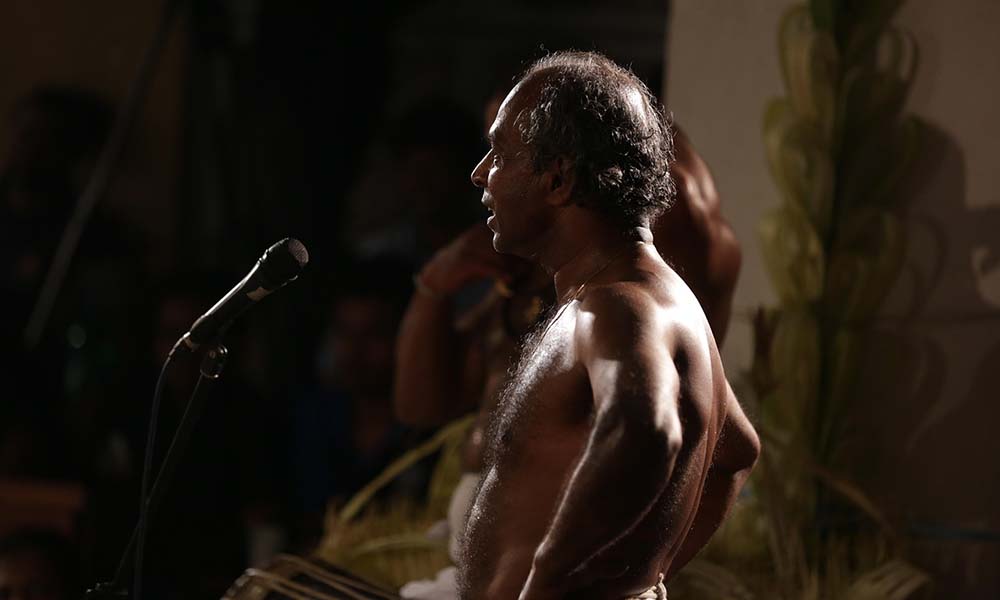
Sri Lankan folklore represents a fascinating blend of Buddhist teachings, Hindu mythology, indigenous beliefs, and colonial influences. These stories have survived centuries through oral tradition, ceremonial performances, and vibrant festivals that bring ancient tales to life. When you explore Sri Lanka with experienced guides from Ceylon Tour Guides, you gain access to these hidden cultural narratives that most tourists never encounter.
Legendary Figures in Sri Lankan Mythology
Prince Vijaya and the Birth of a Nation
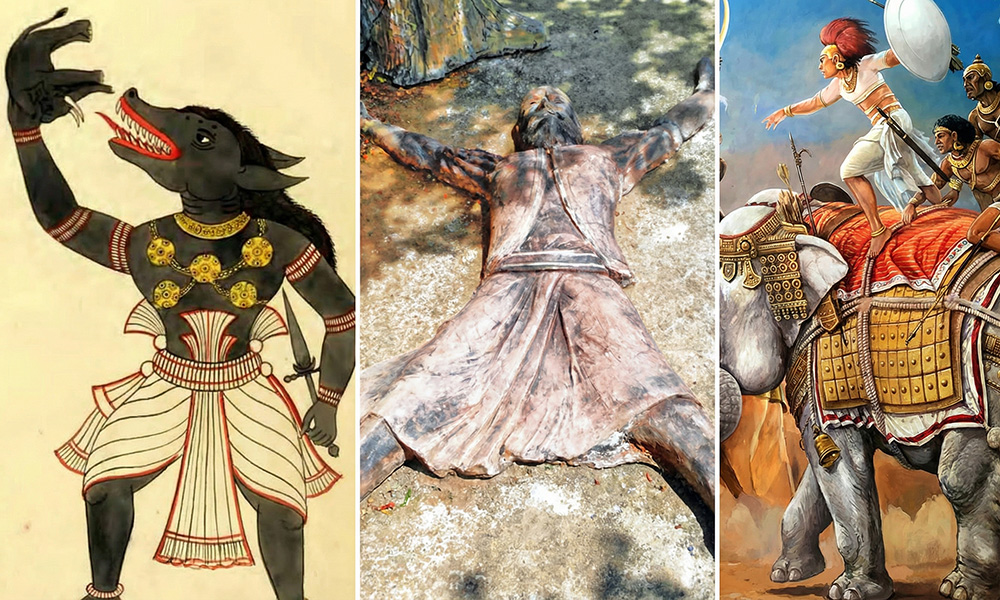
The Mahavamsa chronicles tell the story of Prince Vijaya, the legendary founder of the Sinhalese people. According to folklore, Vijaya arrived on Sri Lankan shores on the very day Lord Buddha attained enlightenment. His encounter with the demoness Kuveni and subsequent establishment of a kingdom forms the mythological foundation of Sri Lankan civilization. This tale can be experienced through visits to historical sites in Anuradhapura, where the ancient kingdom flourished.
The Demon King Ravana
Long before he appeared in the Indian Ramayana epic, Ravana was celebrated in Sri Lankan folklore as a powerful king, accomplished musician, and scholar. Many Sri Lankans view Ravana not as a villain but as a complex ruler whose kingdom demonstrated advanced aviation technology and architectural prowess. Sites associated with Ravana, including caves and temples, can be explored throughout the central highlands of Sri Lanka.
Gajaman Nona: The Folk Poetess
Gajaman Nona remains one of Sri Lanka’s most beloved folk poets from the 18th century. Her witty verses, social commentary, and romantic poetry continue to be recited at cultural events. Her story represents the important role women played in preserving and creating Sri Lankan folklore traditions.
Traditional Storytelling Forms
Kolam: Masked Dance-Drama
Kolam represents one of Sri Lanka’s most distinctive storytelling traditions, combining elaborate wooden masks, dance, music, and comedy. These performances satirize social issues while entertaining audiences with exaggerated characters representing demons, animals, and various social types. The southern coastal regions remain the heartland of Kolam traditions, making them perfect stops on any cultural tour of Sri Lanka.
Sokari: Street Theater
This folk drama tradition brings stories to life through improvised performances in village streets and temple courtyards. Sokari incorporates music, dialogue, and physical comedy to convey moral lessons and entertain communities during festivals.
Puppet Theater (Ruhunu Rukada)
Traditional Sri Lankan puppet shows tell stories from Buddhist Jataka tales and local folklore using intricately crafted marionettes. These performances once served as important educational tools, teaching children moral values and cultural history.
Supernatural Beings in Sri Lankan Folklore
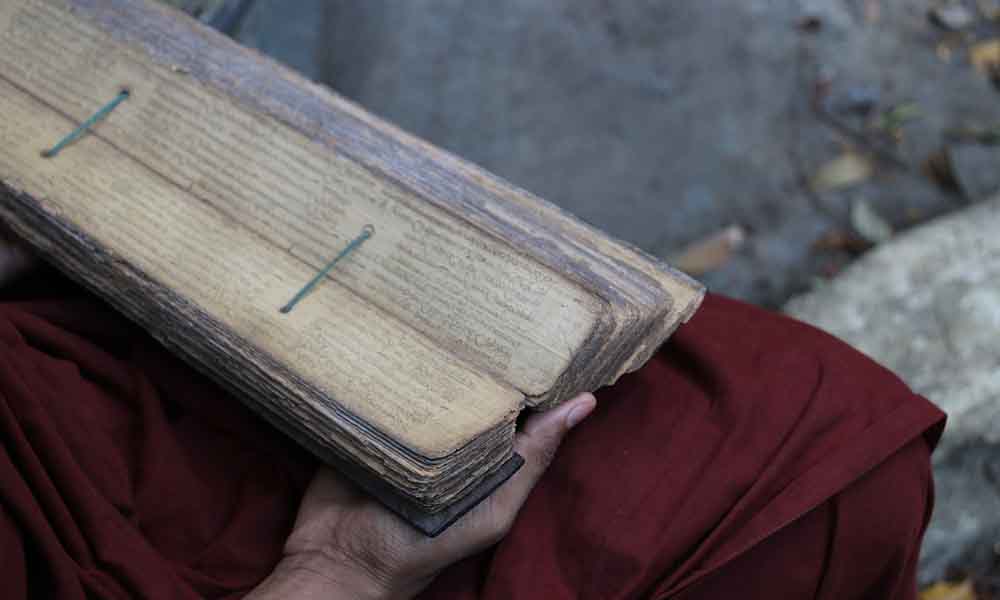
Sri Lankan folklore teems with supernatural entities that reflect the island’s spiritual worldview:
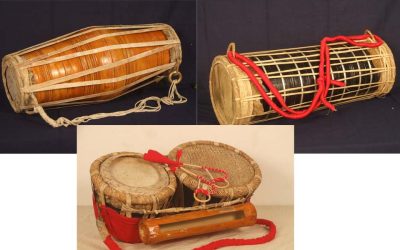
Yakku (Demons): Neither purely evil nor benevolent, these spirits influence human affairs and natural phenomena. Elaborate rituals and exorcism ceremonies address yakku-related afflictions.
Pretha (Ghosts): Spirits of the deceased who remain earthbound due to unfulfilled desires or improper funeral rites feature prominently in cautionary tales.
Naga (Serpent Deities): Cobra-headed divine beings associated with water, fertility, and protection appear throughout Buddhist temple art and folklore.
Huniyam: A powerful deity invoked for both protection and revenge, Huniyam occupies a unique position between Buddhist and indigenous beliefs.
Folklore in Daily Life
Sri Lankan folklore isn’t confined to history books or museums. These traditions actively shape contemporary life through various practices:
Bali Ceremonies and Healing Rituals
Traditional exorcism ceremonies called “bali” or “thovil” combine drumming, chanting, elaborate costumes, and offerings to appease demons causing illness. These all-night rituals showcase Sri Lanka’s living folklore traditions and can sometimes be witnessed in rural areas when traveling with knowledgeable local guides.
Festival Storytelling
During Vesak, Poson, and other religious festivals, colorful pandals (decorative structures) illustrate Jataka tales and Buddhist stories. These temporary art installations serve as public storytelling mediums, accessible to all.
Proverbs and Folk Wisdom
Sri Lankan conversation remains rich with traditional proverbs that encapsulate folk wisdom. These sayings about nature, relationships, and morality connect modern life with ancestral knowledge.
Regional Folklore Variations
Each region of Sri Lanka has developed distinct folklore traditions:
Southern Coastal Region: Known for devil dancing, masked rituals, and fishermen’s tales of sea spirits and treasures.
Central Highlands: Home to stories about mountain spirits, ancient kings, and the sacred Temple of the Tooth in Kandy.
Northern Peninsula: Features Tamil folklore traditions including Bharatanatyam storytelling through dance and unique Hindu mythological interpretations.
Eastern Coast: Blends Sinhalese, Tamil, and Muslim storytelling traditions, creating a unique multicultural folklore landscape.
Experiencing Sri Lankan Folklore Today
Visitors to Sri Lanka can immerse themselves in these storytelling traditions through several experiences:
- Village Cultural Shows: Many cultural tours include traditional dance performances featuring folklore-inspired choreography and costumes.
- Temple Murals and Art: Buddhist temples throughout Sri Lanka display intricate paintings depicting Jataka tales and local legends.
- Museum Collections: The National Museum in Colombo houses extensive collections of masks, puppets, and artifacts related to folklore traditions.
- Local Festivals: Timing your visit with festivals like Esala Perahera in Kandy provides unforgettable encounters with living folklore traditions.
- Storytelling Sessions: Some boutique hotels and cultural centers arrange sessions with traditional storytellers who share tales in English.
The Future of Sri Lankan Folklore
While modernization threatens some traditional practices, there’s renewed interest in preserving Sri Lankan folklore and storytelling. Universities offer folklore studies programs, cultural organizations document oral traditions, and younger generations increasingly appreciate their heritage. Tourism, when conducted responsibly through operators like Ceylon Tour Guides, can support folklore preservation by creating economic incentives for communities to maintain their traditions.
Planning Your Folklore Journey
To truly appreciate Sri Lankan folklore and storytelling, consider these tips:
- Travel with local guides who can provide context and translation for cultural performances
- Visit rural areas where traditions remain strongest
- Attend nighttime ceremonies and festivals when possible
- Engage respectfully with local communities and ask permission before photographing rituals
- Combine folklore exploration with visits to historical and natural sites for a complete cultural experience
Sri Lanka’s folklore and storytelling traditions offer a window into the island’s soul, revealing values, fears, hopes, and humor that have sustained communities through centuries. These ancient tales continue to evolve, incorporating new elements while maintaining their essential character. When you explore Sri Lanka beyond the typical tourist trail, you discover that every temple, village, and landscape holds stories waiting to be heard.
Whether you’re watching masked dancers enact demon battles, listening to a grandmother recite poetry, or viewing temple murals depicting ancient legends, you’re connecting with a storytelling tradition that has enriched human culture for millennia. Let the folklore of Sri Lanka enchant you, just as it has captivated audiences for over two thousand years.
Ready to discover the magical world of Sri Lankan folklore? Contact Ceylon Tour Guides to plan your cultural journey through the island’s most enchanting stories and traditions.