
Sri Lankan Street Food Tour: 15 Must-Try Dishes for an Authentic Culinary Adventure in 2026
Discover the vibrant world of Sri Lankan street food with this ultimate guide to the island’s most delicious and authentic dishes. Whether you’re planning a food tour in Colombo or exploring the coastal flavors of Galle, this comprehensive Sri Lanka street food guide will help you experience the best traditional cuisine the island has to offer.
What Makes Sri Lankan Street Food Special?
Sri Lankan street food culture represents a unique fusion of flavors influenced by thousands of years of trade and cultural exchange. The street food scene in Sri Lanka combines Sinhalese, Tamil, Muslim, Dutch, and Portuguese culinary traditions, creating dishes you won’t find anywhere else in the world.
When you embark on a Sri Lanka food tour with Ceylon Tour Guides, you’ll discover that street food isn’t just about eating—it’s about experiencing the heart and soul of Sri Lankan culture. From bustling markets in Colombo to beachside stalls in Galle, authentic Sri Lankan street food offers unforgettable flavors at affordable prices.
Top 15 Must-Try Sri Lankan Street Food Dishes
1. Kottu Roti: Sri Lanka’s Most Famous Street Food
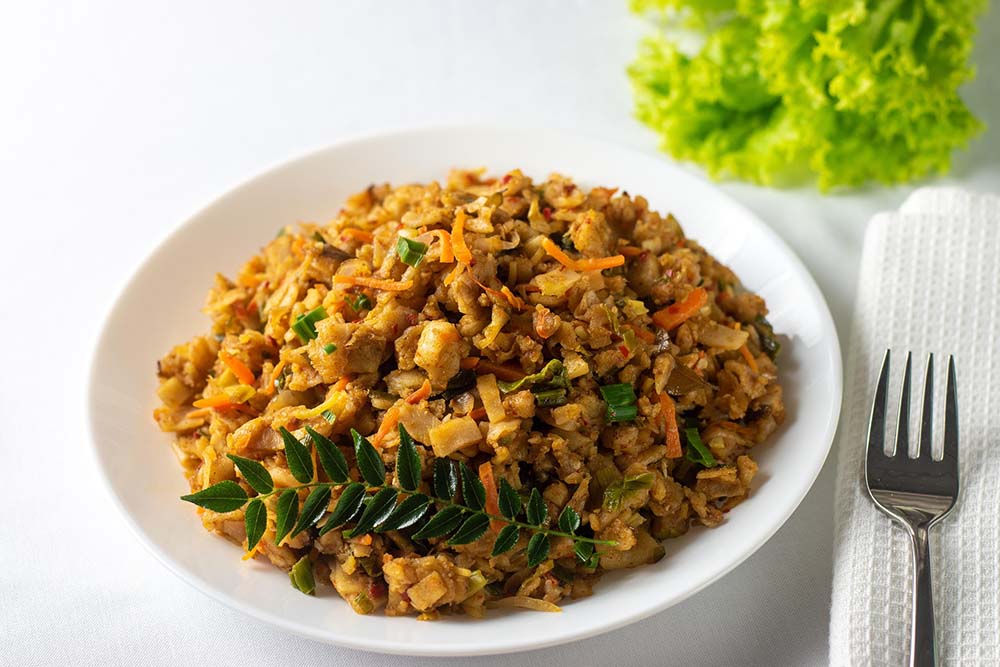
Kottu roti ranks as the most iconic Sri Lankan street food dish. This flavorful creation features chopped godamba roti (flatbread) stir-fried with vegetables, eggs, and meat on a hot griddle. The rhythmic clanging of metal blades chopping the ingredients creates the unmistakable soundtrack of Sri Lankan street food culture.
Best kottu roti varieties:
- Chicken kottu roti
- Seafood kottu roti
- Vegetable kottu roti
- Cheese kottu roti
Where to find the best kottu roti: Galle Face Green in Colombo, street vendors in Fort area, and local restaurants throughout Sri Lanka offer excellent versions of this beloved dish.
2. Hoppers (Appa): Traditional Sri Lankan Breakfast Food
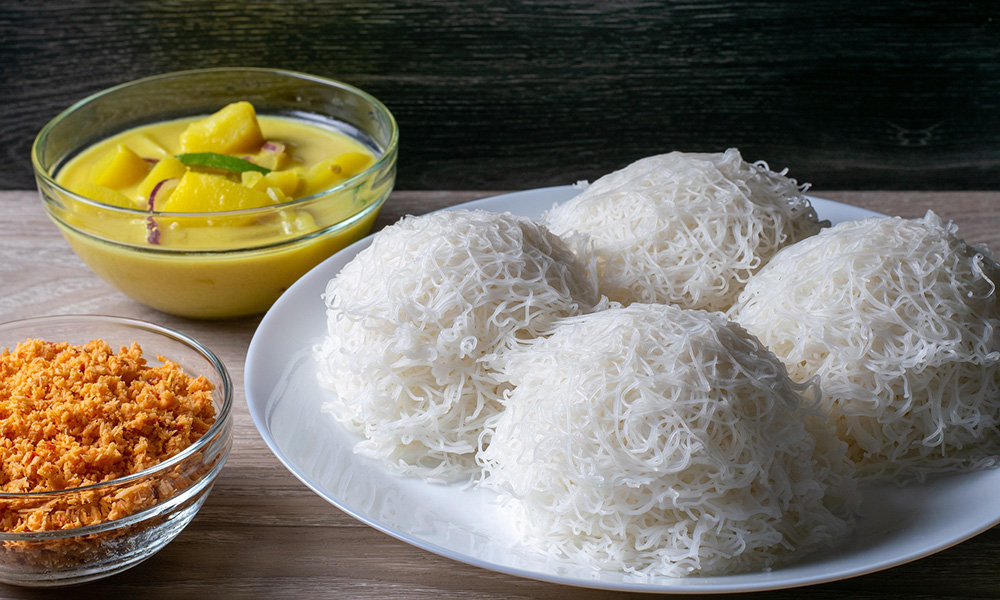
Hoppers are bowl-shaped pancakes made from fermented rice flour and coconut milk, essential to any Sri Lankan food experience. These crispy-edged, soft-centered delights come in several varieties that showcase the diversity of Sri Lankan street food.
Types of hoppers:
- Plain hoppers (appa)
- Egg hoppers (bittara appa)
- String hoppers (idiappam)
- Milk hoppers (kiri appa)
Hoppers are typically served with spicy coconut sambol, dhal curry, and seeni sambol, making them one of the most satisfying Sri Lankan breakfast options.
3. Pol Sambol: Essential Sri Lankan Condiment
No Sri Lankan street food experience is complete without pol sambol. This fiery coconut relish made with fresh grated coconut, red chilies, lime juice, Maldive fish, and onions accompanies almost every traditional Sri Lankan meal.
Pol sambol pairs perfectly with roti, rice, hoppers, and string hoppers, adding an authentic spicy kick that defines Sri Lankan cuisine.
4. Wade (Vadai): Crispy Lentil Fritters
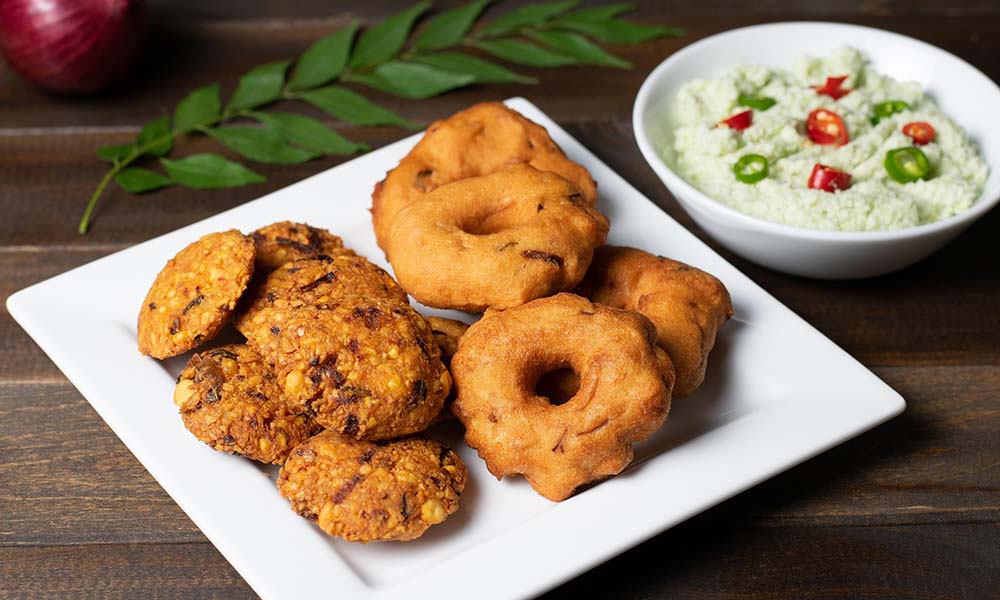
Wade are savory deep-fried lentil fritters that rank among the most popular Sri Lankan street food snacks. These golden-brown fritters are crispy outside and soft inside, perfect with a cup of Ceylon tea.
Popular wade varieties:
- Ulundu wade (black lentil fritters)
- Parippu wade (yellow lentil fritters)
- Masala wade (spiced lentil fritters)
5. Fish Ambul Thiyal: Traditional Sour Fish Curry
This traditional Sinhalese dish represents authentic Sri Lankan street food at its finest. Fish ambul thiyal features fish cooked with goraka (sour fruit), black pepper, and aromatic spices, creating an intensely flavored dry curry that’s popular at street food markets throughout Sri Lanka.
6. Isso Wade: Sri Lankan Prawn Fritters
Isso wade are crispy prawn fritters that showcase Sri Lanka’s excellent seafood. These golden-fried treats are especially popular in coastal areas like Galle, Negombo, and Colombo, making them essential stops on any Sri Lanka coastal food tour.
7. Rotis: Sri Lankan Flatbreads
Sri Lankan rotis come in numerous varieties, each offering unique flavors and textures that make them street food favorites.
Must-try roti varieties:
- Pol roti (coconut roti)
- Plain roti
- Godamba roti (flaky layered flatbread)
- Atta roti (wheat flour roti)
Street vendors serve these warm flatbreads with spicy curries, making them perfect for budget-friendly Sri Lankan street food meals.
8. Short Eats: Sri Lankan Savory Snacks
“Short eats” refers to the array of savory snacks displayed in glass cases at local bakeries and tea shops throughout Sri Lanka. These affordable bites represent the diversity of Sri Lankan street food culture.
Popular short eats include:
- Patties (curry-filled pastries)
- Fish rolls
- Vegetable rolls
- Cutlets (potato or fish croquettes)
- Chinese rolls
- Samosas
9. Kokis: Traditional Sri Lankan Sweet Treats
These crispy, flower-shaped cookies made from rice flour and coconut milk are iconic Sri Lankan sweets. While traditionally associated with Sinhala and Tamil New Year celebrations, kokis are available year-round at street food stalls across Sri Lanka.
10. Kavum: Oil Cakes
Kavum are deep-fried sweet cakes made with rice flour, kithul treacle, and cardamom. These rich, sweet treats have a crispy exterior and chewy interior, making them popular Sri Lankan street food desserts.
11. Aluwa: Sri Lankan Coconut Fudge
This traditional Sri Lankan fudge made from rice flour, jaggery, and cashew nuts offers a unique sweet experience. Flavored with cardamom and sometimes rose water, aluwa has a firm, slightly crumbly texture that melts in your mouth.
12. Bombai Muttai: Sri Lankan Candy Floss
This colorful spun sugar treat is popular with children and adults alike at Sri Lankan street food markets and festivals.
13. Wood Apple Juice: Traditional Sri Lankan Beverage
Made from the pulp of wood apples (divul) mixed with sugar or jaggery, this nutritious drink offers a tangy, slightly sweet flavor unique to Sri Lankan street food culture.
14. King Coconut Water (Thambili): Natural Sri Lankan Refreshment
Sri Lanka’s golden king coconuts provide naturally sweet, refreshing water that’s the perfect accompaniment to spicy street food. Available from roadside vendors everywhere, thambili is essential for staying hydrated while exploring Sri Lankan street food.
15. Faluda: Sri Lankan Rose Milk Dessert
This rose-flavored milk drink with basil seeds, jelly noodles, and ice cream is a popular dessert beverage in Muslim areas, representing the multicultural nature of Sri Lankan street food.
Best Places for Street Food in Sri Lanka
Colombo Street Food Scene
Colombo offers the most diverse Sri Lankan street food experience. Key locations include:
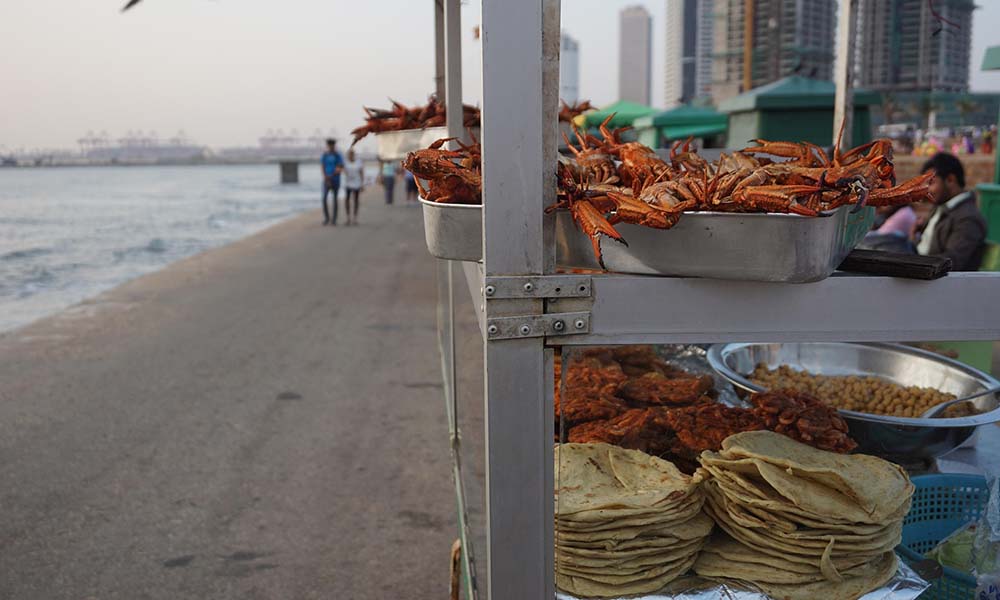
Galle Face Green: Evening food stalls serving kottu roti, isso wade, seafood, and traditional snacks make this the premier destination for Colombo street food.
Pettah Market: Authentic Muslim street food including biriyani, faluda, and wattalappam can be found in this bustling market area.
Slave Island: Local eateries serve excellent hoppers and kottu roti.
Dehiwala: Traditional Sinhala street food and short eats are abundant here.
Galle Street Food
The historic fort city offers fresh seafood-focused street food. When exploring Galle with Ceylon Tour Guides, don’t miss the isso vadai and grilled seafood from beachside vendors near the ramparts.
Kandy Street Food
Sri Lanka’s cultural capital features traditional Kandyan cuisine at the central market. The area around the Temple of the Tooth offers excellent opportunities to sample authentic Sri Lankan street food while sightseeing.
Negombo Street Food
This coastal town is famous for fresh seafood street food, including grilled fish, prawns, and cuttlefish.
Jaffna Street Food
Northern Sri Lankan street food features unique Tamil specialties including dosai, idli, and distinctive curries not found elsewhere on the island.
Sri Lanka Street Food Tour: Planning Guide
Best Time for Street Food Tours in Sri Lanka
Evening (5-8 PM): Prime time for Sri Lankan street food when stalls are busiest and food is freshest. The atmosphere is vibrant, and you’ll experience authentic local culture.
Morning (6-9 AM): Best for breakfast items like hoppers, string hoppers, and roti. Morning markets offer the freshest ingredients.
Night markets: Some areas like Galle Face Green and Pettah operate late into the night, perfect for late-evening Sri Lankan street food adventures.
Street Food Safety Tips for Sri Lanka
Follow these guidelines for safe Sri Lankan street food experiences:
- Choose busy stalls with high customer turnover
- Ensure food is cooked fresh and served hot
- Stick to bottled or boiled water
- Start with mild spice levels if you’re not accustomed to spicy food
- Wash hands frequently or use hand sanitizer
- Book a professional food tour with Ceylon Tour Guides for expert guidance on safe, authentic venues
Budget for Sri Lankan Street Food
Sri Lankan street food is incredibly affordable:
- Wade and short eats: 50-150 LKR
- Kottu roti: 300-600 LKR
- Hoppers: 50-150 LKR each
- Seafood dishes: 500-800 LKR
- Fresh juices and coconut water: 100-200 LKR
Most travelers can enjoy multiple Sri Lankan street food dishes for under $10 USD per day.
Vegetarian and Vegan Sri Lankan Street Food Options
Sri Lanka offers excellent vegetarian and vegan street food options:
Vegetarian dishes:
- Vegetable kottu roti
- Plain hoppers with vegetable curry
- Wade (lentil fritters)
- Pol roti
- Vegetable rotis
- Fruit juices and coconut water
Vegan considerations: Confirm that dishes don’t contain Maldive fish (dried fish flakes), which is common in pol sambol and some curries.
Sri Lankan Street Food Ingredients and Flavors
Understanding key ingredients enhances your Sri Lankan street food experience:
Essential spices: Curry leaves, cinnamon, cardamom, cloves, cumin, coriander, fenugreek, mustard seeds, and turmeric create the complex flavors in Sri Lankan cuisine.
Coconut: Fresh coconut, coconut milk, and coconut oil are fundamental to Sri Lankan street food.
Chilies: Bird’s eye chilies and dried red chilies provide the signature heat in Sri Lankan dishes.
Rice flour: Used in hoppers, string hoppers, and many sweets.
Kithul treacle: Indigenous palm syrup that sweetens traditional Sri Lankan desserts.
How to Order Sri Lankan Street Food Like a Local
Enhance your street food experience with these tips:
Useful Sinhala phrases:
- “Tikak bath denna” – Give me a little rice
- “Kiyada?” – How much?
- “Bohoma rasai” – Very delicious
Useful Tamil phrases:
- “Kasa illamal” – Without chili
- “Evvalavu?” – How much?
Most vendors are friendly and happy to explain dishes. Don’t hesitate to point at what others are eating or ask for recommendations.
Sri Lankan Street Food Tours: Why Book with Ceylon Tour Guides
While independent exploration is rewarding, booking a professional Sri Lanka food tour with Ceylon Tour Guides offers distinct advantages:
Benefits of guided food tours:
- Access to hidden local gems tourists rarely find
- Expert knowledge about dish origins and preparation
- Navigation of language barriers
- Guaranteed food safety standards
- Cultural context and historical background
- Customized itineraries based on dietary preferences
- Transportation between multiple food locations
- Insider prices and authentic experiences
Ceylon Tour Guides specializes in creating personalized Sri Lankan food tours that showcase the best street food across Colombo, Galle, Kandy, and beyond.
Sri Lankan Street Food Culture and Etiquette
Understanding local customs enhances your street food experience:
Social aspects: Food stalls serve as community gathering spots where Sri Lankans from all backgrounds share meals and conversation.
Eating customs: Many Sri Lankans eat with their right hand. Street food is often served on banana leaves or paper, making it eco-friendly.
Tipping: Tipping isn’t mandatory at street food stalls, but small tips are appreciated for excellent service.
Photography: Always ask permission before photographing vendors or their food preparation.
Seasonal Sri Lankan Street Food
Certain dishes appear during specific seasons and festivals:
Sinhala and Tamil New Year (April): Kokis, kavum, aluwa, and other traditional sweets are abundant.
Vesak Poya (May): Free food stalls (dansala) offer traditional Sri Lankan dishes to everyone.
Ramadan: Special Muslim street food appears in areas like Pettah, including unique iftar dishes.
Monsoon season: Hot soups and spicy dishes become more popular.
Regional Sri Lankan Street Food Variations
Different regions offer unique specialties:
Western Province (Colombo area): Most diverse selection, fusion dishes, international influences
Southern Province (Galle, Matara): Seafood-focused, spicier curries, coconut-heavy dishes
Central Province (Kandy): Traditional Kandyan cuisine, unique vegetables, distinct curry preparations
Northern Province (Jaffna): Tamil specialties, dosai, idli, distinctive spice blends
Eastern Province (Batticaloa, Trincomalee): Seafood, Muslim influences, unique pickles
Combining Street Food with Sri Lanka Sightseeing
Integrate street food into your Sri Lanka travel itinerary with Ceylon Tour Guides:
Colombo: Visit Galle Face Green for sunset street food after exploring the National Museum
Galle: Enjoy seafood snacks while walking the historic fort walls
Kandy: Sample street food near the Temple of the Tooth between cultural attractions
Ella: Try local hoppers before hiking to Little Adam’s Peak
Nuwara Eliya: Warm street food snacks complement visits to tea plantations
Sri Lankan Street Food Recipes to Try at Home
After your food tour, recreate authentic Sri Lankan flavors:
Popular recipes:
- Kottu roti recipe
- Hopper batter preparation
- Pol sambol recipe
- Wade (lentil fritter) recipe
- Sri Lankan curry powder blend
Many Ceylon Tour Guides food tours include cooking demonstrations so you can learn to make these dishes yourself.
Health Benefits of Sri Lankan Street Food
Traditional Sri Lankan street food offers numerous health benefits:
Nutritious ingredients: Coconut, lentils, rice, fresh vegetables, and spices provide essential nutrients
Turmeric: Anti-inflammatory properties support overall health
Curry leaves: Rich in antioxidants and beneficial for digestion
Coconut: Provides healthy fats and minerals
Fresh preparation: Most street food is cooked to order, ensuring freshness
Sri Lankan Street Food Photography Tips
Capture your culinary adventure:
- Photograph during golden hour for best lighting
- Capture the cooking process for dynamic shots
- Include local vendors for cultural context
- Photograph colorful spice displays and ingredient arrangements
- Take overhead shots of plated food on banana leaves
- Include street scenes to show atmosphere
Always ask permission before photographing people or their businesses.
Frequently Asked Questions About Sri Lankan Street Food
Is Sri Lankan street food safe for tourists? Yes, when you choose busy stalls with high turnover and follow basic hygiene practices. Booking tours with Ceylon Tour Guides ensures visits to reputable vendors.
How spicy is Sri Lankan street food? Spice levels vary, but many dishes are quite spicy. You can request “without chili” or “less spicy” versions.
Can I find halal street food in Sri Lanka? Yes, Muslim areas like Pettah in Colombo offer extensive halal street food options.
What’s the best street food for first-timers? Start with hoppers, kottu roti, and short eats before progressing to spicier dishes.
How much should I budget for street food daily? $5-15 USD covers multiple meals and snacks from street vendors.
Conclusion: Your Sri Lankan Street Food Adventure Awaits
Sri Lankan street food offers an unparalleled culinary journey through one of Asia’s most flavorful cuisines. From the iconic kottu roti to delicate hoppers, from crispy wade to sweet kokis, every dish tells a story of cultural heritage, local passion, and centuries of culinary evolution.
Whether you’re exploring Colombo’s bustling Galle Face Green, discovering coastal flavors in Galle, or sampling traditional dishes in Kandy, Sri Lankan street food promises authentic experiences that go far beyond typical tourist restaurants. The combination of bold flavors, affordable prices, and warm hospitality makes street food tours the best way to understand Sri Lankan culture.
Ready to embark on the ultimate Sri Lankan street food adventure? Contact Ceylon Tour Guides today to plan your customized food tour. Our expert guides will take you to the best local spots, hidden gems, and authentic vendors that most tourists never discover. From vegetarian options to seafood specialties, from breakfast hoppers to evening kottu roti sessions, we’ll create a personalized Sri Lanka food tour that matches your preferences and dietary requirements.
Don’t just visit Sri Lanka—taste it. Book your authentic Sri Lankan street food tour with Ceylon Tour Guides and discover why food lovers worldwide consider Sri Lanka a must-visit culinary destination.


