
Exploring Mangroves and Wetlands in Sri Lanka: Eco-Friendly Nature Tours
Sri Lanka, the pearl of the Indian Ocean, is renowned for its golden beaches and ancient temples, but hidden within its coastal regions lies an equally magnificent treasure: vast networks of mangrove forests and wetlands teeming with life. These ecological wonders offer nature enthusiasts and eco-conscious travelers an unforgettable journey into some of the island’s most pristine and biodiverse environments.
Why Sri Lanka’s Mangroves and Wetlands Matter
Mangroves and wetlands serve as critical ecosystems that support both wildlife and human communities. These natural habitats act as nurseries for fish species, protect coastlines from erosion and tsunamis, filter pollutants from water, and sequester carbon dioxide, making them essential in the fight against climate change. Sri Lanka’s mangrove forests cover approximately 15,000 hectares along the coastal belt, creating a green sanctuary for hundreds of species.
For travelers seeking authentic eco-friendly tours in Sri Lanka, these wetland ecosystems provide a peaceful escape from crowded tourist attractions while offering meaningful connections with nature.
Top Mangrove and Wetland Destinations in Sri Lanka
Madu Ganga Wetland Sanctuary
Located near Balapitiya in the Southern Province, Madu Ganga is one of Sri Lanka’s most celebrated wetland ecosystems. This complex network of islands, mangrove forests, and waterways spans over 900 hectares and is home to 303 plant species and 248 vertebrate species, including numerous endemic birds, reptiles, and fish.
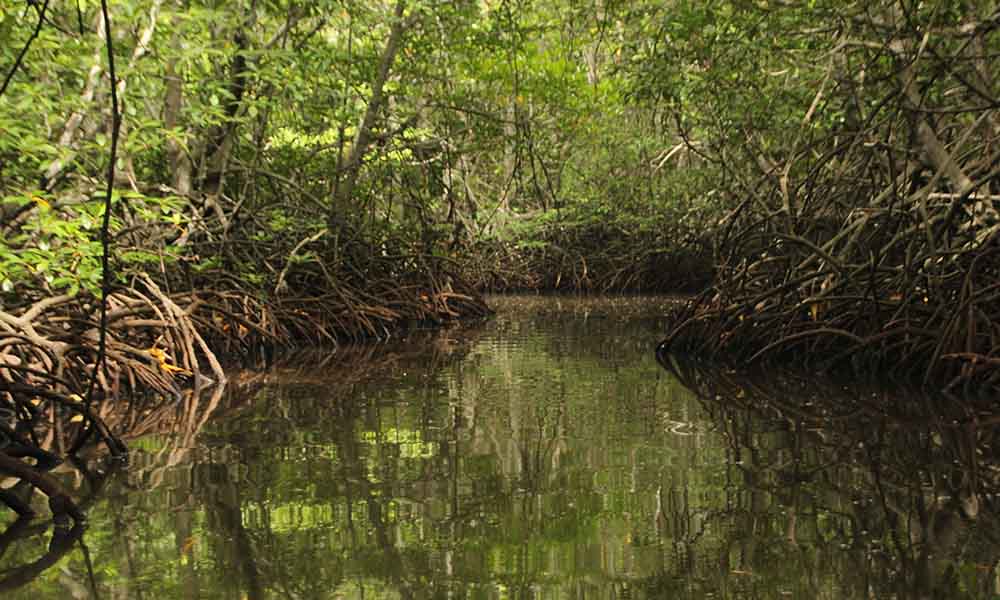
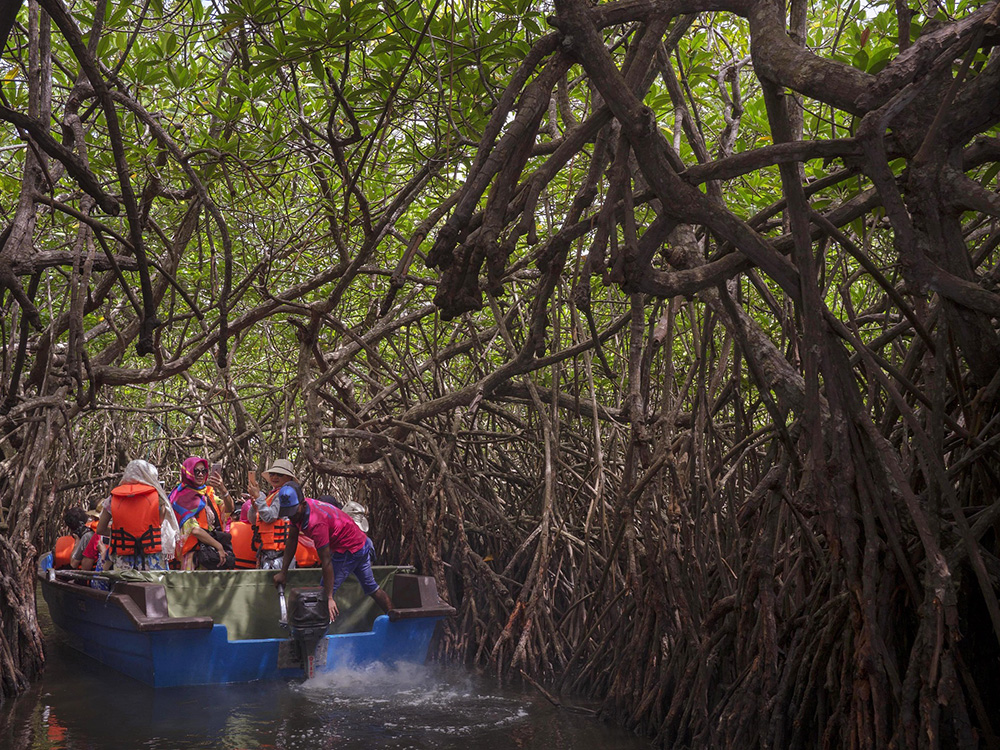
A boat tour through Madu Ganga reveals a mesmerizing landscape where ancient mangrove roots twist into the water, creating natural tunnels and passages. Visitors can explore small islands, visit a cinnamon plantation, and observe traditional fishing techniques still practiced by local communities. The tranquil waters and abundant wildlife make this destination perfect for sustainable tourism experiences.
Muthurajawela Wetland
Just north of Colombo, Muthurajawela is an urban wetland sanctuary that spans approximately 6,000 hectares. Despite its proximity to the bustling capital, this marshland remains remarkably pristine and supports an incredible diversity of flora and fauna. The wetland serves as a vital carbon sink and water purification system for the region.
Boat safaris through Muthurajawela offer encounters with water monitors, crocodiles, purple herons, painted storks, and countless other bird species. The best time to visit is early morning when wildlife is most active and the golden light illuminates the reeds and water channels. Many Sri Lanka nature tour operators offer guided excursions that combine education with adventure.
Negombo Lagoon
Negombo Lagoon, one of Sri Lanka’s largest estuarine lagoons, stretches along the western coast and encompasses extensive mangrove ecosystems. This lagoon supports thriving fishing communities and showcases the harmonious relationship between humans and nature that has existed for centuries.
Visitors can observe traditional outrigger fishing boats, explore mangrove channels by canoe, and witness stunning sunsets over the water. The lagoon’s biodiversity includes prawn farms, fish nurseries, and abundant birdlife, making it an excellent destination for photography and bird watching tours in Sri Lanka.
Puttalam Lagoon and Kalpitiya
The northwestern coast is home to Puttalam Lagoon, Sri Lanka’s largest lagoon system, and the Kalpitiya Peninsula. This region features extensive mangrove forests, salt marshes, and shallow bays that attract migratory birds from as far as Siberia during winter months.
Kalpitiya has emerged as a prime destination for eco-tourism, offering mangrove boat tours, dolphin watching, kite surfing, and snorkeling. The Bar Reef Marine Sanctuary nearby provides additional opportunities for underwater exploration, making this area ideal for travelers seeking diverse eco-friendly adventure activities.
Wildlife You’ll Encounter
Sri Lanka’s mangroves and wetlands support an astonishing array of wildlife. Bird enthusiasts can spot species such as the purple heron, grey heron, little egret, white-bellied sea eagle, kingfishers of various species, and migratory shorebirds. The wetlands are also critical habitats for painted storks, ibises, and the rare black-headed ibis.
Reptile lovers might encounter water monitors basking on branches, mugger crocodiles gliding silently through channels, and various snake species adapted to aquatic life. The mangrove roots and wetland vegetation shelter crabs, mudskippers, and juvenile fish that will eventually populate the ocean.
Mammals such as fishing cats, otters, and rusty-spotted cats occasionally appear in these habitats, though they’re elusive and require patience to observe. The diversity of life in these ecosystems demonstrates nature’s intricate balance and the importance of conservation.
Eco-Friendly Tour Practices
When exploring Sri Lanka’s mangroves and wetlands, choosing responsible tour operators who prioritize conservation is essential. Look for eco-certified tour guides who follow these practices:
Small group sizes to minimize environmental impact and provide personalized experiences
Non-motorized or electric boats in sensitive areas to reduce noise and water pollution
Knowledgeable local guides who share insights about ecology, conservation challenges, and traditional practices
No-littering policies and proper waste management
Support for local communities through fair wages and community-based tourism initiatives
Respect for wildlife by maintaining safe distances and avoiding disturbance to nesting or feeding areas
By choosing eco-conscious operators, travelers contribute directly to the preservation of these fragile ecosystems while supporting sustainable livelihoods for local communities.
Best Time to Visit
Sri Lanka’s mangroves and wetlands can be visited year-round, but certain seasons offer enhanced experiences. November to April, during the dry season, provides the most comfortable weather with minimal rainfall. This period also coincides with the arrival of migratory birds from Europe and Asia, creating spectacular bird-watching opportunities.
The months between May and October bring monsoon rains that replenish the wetlands and create lush, verdant landscapes. While boat tours may occasionally be affected by weather, the rainy season offers its own charm with dramatic cloud formations and fewer tourists.
Early morning tours, typically starting between 6:00 and 7:00 AM, provide the best wildlife viewing opportunities as animals are most active during cooler hours. The soft morning light also creates ideal conditions for photography.
What to Bring on Your Wetland Adventure
To make the most of your mangrove and wetland tour in Sri Lanka, come prepared with:
- Binoculars for bird and wildlife watching
- Camera with telephoto lens for capturing distant subjects
- Sun protection including hat, sunglasses, and reef-safe sunscreen
- Insect repellent (natural formulas are preferable)
- Light, breathable clothing in neutral colors
- Water bottle to stay hydrated
- Light rain jacket during monsoon season
- Field guide to Sri Lankan birds or wildlife (optional)
Conservation Challenges and How Visitors Can Help
Despite their ecological importance, Sri Lanka’s mangroves and wetlands face numerous threats including urban development, pollution, unsustainable fishing practices, and climate change. Approximately 25% of Sri Lanka’s mangrove coverage has been lost over the past century due to human activities.
Responsible travelers can support conservation efforts by:
Choosing certified eco-tour operators who reinvest in conservation and community development
Participating in beach and wetland cleanup initiatives organized by environmental groups
Supporting local artisans and businesses that depend on healthy ecosystems
Spreading awareness about the importance of wetland conservation through social media and travel reviews
Making donations to Sri Lankan environmental organizations working to protect these habitats
Respecting all wildlife and following guidelines provided by tour guides
Combining Wetland Tours with Other Attractions
Sri Lanka’s compact size makes it easy to combine mangrove and wetland explorations with other attractions. Many customizable Sri Lanka tour packages incorporate coastal ecosystems with cultural sites, beach destinations, and hill country experiences.
Consider pairing Madu Ganga with visits to nearby Galle Fort, whale watching in Mirissa, or turtle hatcheries in Kosgoda. Muthurajawela can be combined with cultural explorations of Colombo or beach time in Negombo. Kalpitiya offers opportunities to add dolphin watching, kite surfing, or visits to ancient temples in the area.
This diversity allows travelers to experience Sri Lanka’s full spectrum of attractions while maintaining an eco-friendly travel ethos.
The Future of Eco-Tourism in Sri Lankan Wetlands
Sri Lanka is increasingly recognized as a leader in sustainable tourism within South Asia. Government initiatives, NGO programs, and community-based conservation projects are working together to protect and restore wetland ecosystems while developing responsible tourism infrastructure.
New eco-lodges near wetland areas provide comfortable accommodations with minimal environmental footprints. Educational centers and interpretation trails help visitors understand wetland ecology and conservation challenges. Training programs for local guides ensure that tourism benefits reach communities living adjacent to these ecosystems.
By choosing to explore Sri Lanka’s mangroves and wetlands, travelers vote with their wallets for a tourism model that values conservation, supports local communities, and preserves natural heritage for future generations.
Book Your Eco-Friendly Wetland Adventure
Ready to discover the hidden wonders of Sri Lanka’s coastal ecosystems? Ceylon Tour Guides offers expertly curated mangrove and wetland tours led by knowledgeable local guides who are passionate about conservation and cultural heritage.
Whether you’re an avid birder, wildlife photographer, nature enthusiast, or simply seeking peaceful immersion in pristine environments, Sri Lanka’s mangroves and wetlands offer transformative experiences that connect you with the natural world.
Explore these ecological treasures responsibly, and you’ll return home not just with photographs and memories, but with a deeper appreciation for the delicate balance of life that these remarkable ecosystems support. Start planning your eco-friendly Sri Lanka adventure today and become part of the solution for protecting our planet’s vital wetland habitats.


