Eco-Friendly Hiking and Camping in Sri Lanka: A Sustainable Traveler’s Guide
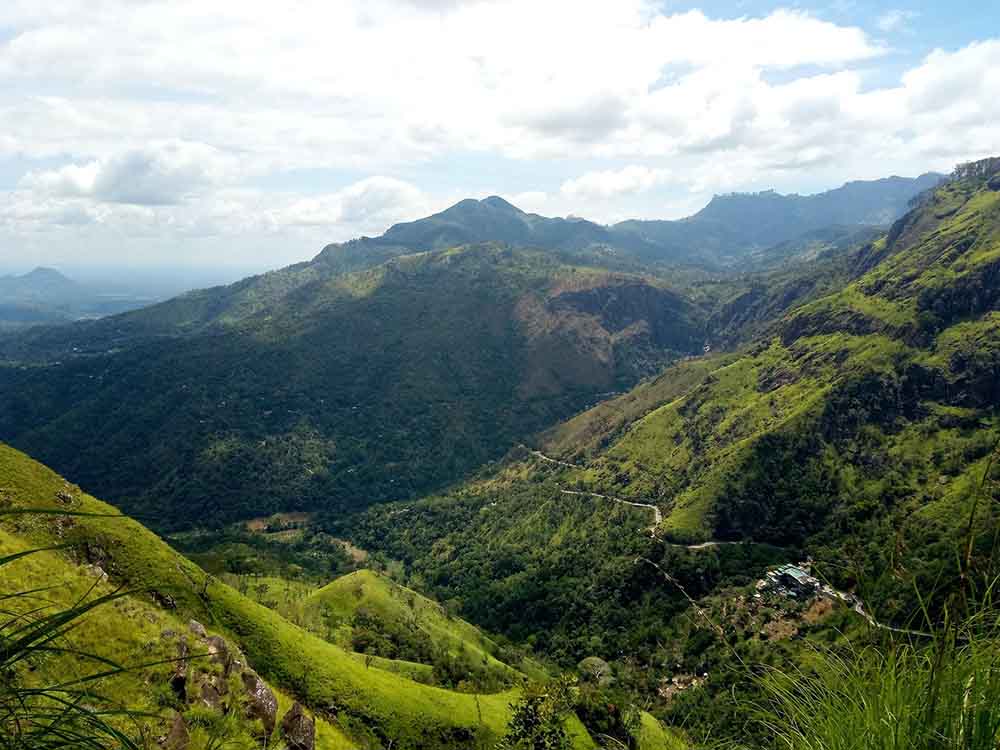
Sri Lanka, the emerald island in the Indian Ocean, offers some of the world’s most spectacular eco-friendly hiking and camping destinations. However, with increasing tourism pressure on fragile ecosystems, responsible travel practices have become more critical than ever. Fortunately, Sri Lanka’s commitment to conservation and sustainable tourism creates perfect opportunities for environmentally conscious adventurers who want to explore paradise while protecting it for future generations.
Whether you’re trekking through misty mountains, camping beside cascading waterfalls, or exploring ancient rainforests with professional Ceylon tour guides, sustainable practices ensure these natural wonders remain pristine. Moreover, choosing eco-friendly destinations and local guides directly supports conservation efforts and rural communities across the island.
Why Choose Eco-Friendly Hiking and Camping in Sri Lanka?
Sri Lanka’s biodiversity is staggering for such a small island. Indeed, the country boasts 26 endemic bird species, over 90 endemic mammals, and thousands of plant species found nowhere else on Earth. Unfortunately, these fragile ecosystems face threats from habitat loss, climate change, and unsustainable tourism practices.
In contrast, eco-friendly hiking and camping minimize your environmental footprint while maximizing positive impact on local communities. Additionally, sustainable tourism creates economic incentives for conservation, ensuring that Sri Lanka’s natural heritage remains protected. Therefore, every conscious choice you make—from hiring local guides to practicing Leave No Trace principles—contributes to preserving this island paradise.
Top Eco-Friendly Hiking and Camping Destinations in Sri Lanka
1. Horton Plains National Park
Located in the central highlands, Horton Plains represents one of Sri Lanka’s most important biodiversity hotspots. Furthermore, this UNESCO World Heritage site showcases montane grasslands, cloud forests, and stunning viewpoints like World’s End, where cliffs drop 880 meters into the valley below.
Sustainability Features:
- Strictly regulated visitor numbers to prevent overcrowding
- Early morning entry requirements to minimize wildlife disturbance
- Well-maintained trails preventing soil erosion
- No plastic policy throughout the park
- Local guide requirements supporting nearby communities
Best Eco-Friendly Experience: Start your trek at dawn to witness sunrise over World’s End while minimizing impact on endemic species like the Sri Lankan sambar deer and purple-faced langur. Additionally, experienced guides from Ceylon Tour Guides can identify rare endemic birds including the Sri Lanka whistling thrush and yellow-eared bulbul.
2. Sinharaja Forest Reserve
As Sri Lanka’s last viable area of primary tropical rainforest, Sinharaja is a living treasure. Moreover, this UNESCO World Heritage site contains exceptional biodiversity with over 60% of its trees being endemic. Consequently, visiting Sinharaja with a certified local guide is mandatory, ensuring sustainable tourism that benefits conservation efforts.
Why It’s Eco-Friendly:
- Mandatory guide system providing employment for local communities
- Limited accommodation options preventing overdevelopment
- Strict waste management policies
- Research stations promoting conservation science
- Buffer zones protecting core forest areas
Sustainable Camping Options: While camping inside the reserve isn’t permitted, eco-lodges on the forest periphery offer sustainable accommodation. For instance, these family-run guesthouses use solar power, harvest rainwater, and serve organic local cuisine. Meanwhile, day hikes with knowledgeable naturalist guides allow you to explore the forest responsibly while supporting local livelihoods.
3. Knuckles Mountain Range
The Knuckles Conservation Forest, another UNESCO World Heritage site, offers exceptional eco-trekking opportunities through diverse ecosystems. In addition, the region’s isolated villages practice traditional agriculture, creating a unique blend of nature and culture tourism.
Eco-Tourism Highlights:
- Community-based tourism initiatives in villages like Meemure
- Homestay options providing authentic cultural experiences
- Traditional farming practices preserving biodiversity
- Multiple trekking routes for various fitness levels
- Endemic flora including rare orchid species
Sustainable Trekking Routes: The Mini World’s End trek showcases stunning vistas without the crowds of Horton Plains. Similarly, overnight camping near Knuckles villages allows you to experience rural Sri Lankan hospitality while supporting local economies. Furthermore, hiring village guides ensures navigation safety while creating income for remote communities.
4. Peak Wilderness Sanctuary (Adam’s Peak)
Adam’s Peak, or Sri Pada, is Sri Lanka’s most sacred mountain and an exceptional eco-friendly hiking destination. Remarkably, this 2,243-meter peak attracts pilgrims and nature lovers alike, yet maintains environmental integrity through community stewardship.
Sustainability Strengths:
- Community-managed teahouses along the trail
- Religious significance encouraging environmental protection
- Waste collection systems on the pilgrimage route
- Reforestation programs around the sanctuary
- Cultural tourism supporting local communities
Best Practices for the Climb: Choose the off-pilgrimage season (April to November) for a quieter, more contemplative experience. Additionally, the climb through pristine rainforest and cloud forest offers exceptional biodiversity viewing. Therefore, ascending with experienced local guides enhances both safety and understanding of the mountain’s ecological and cultural significance.
5. Yala National Park (Eco-Camping Zones)
While famous for leopard safaris, Yala also offers designated eco-camping areas that provide intimate wilderness experiences. However, these zones operate under strict environmental guidelines to protect the park’s delicate ecosystems.
Eco-Camping Features:
- Solar-powered camping facilities
- Composting toilet systems
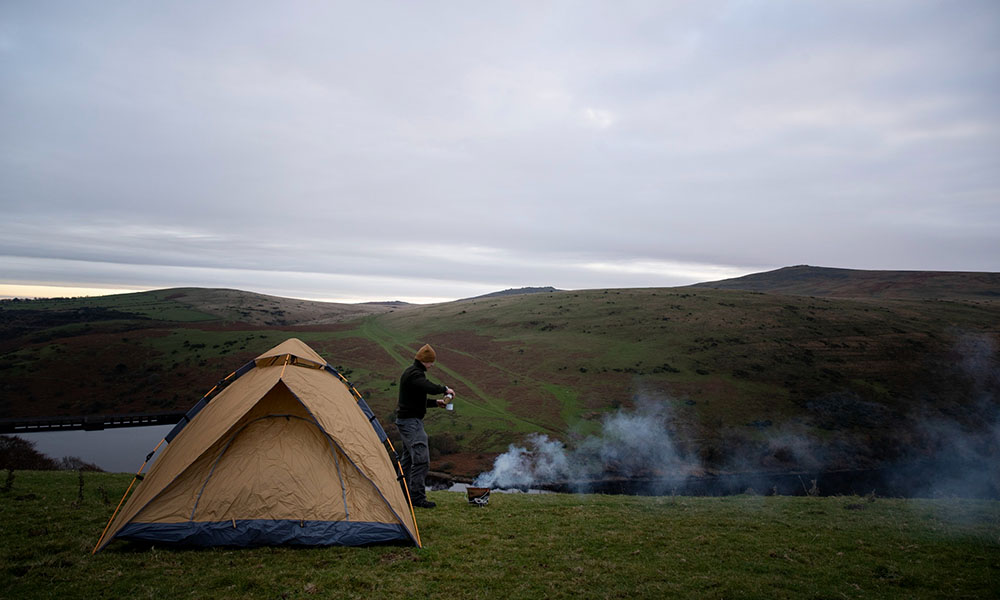
- Designated fire pits to prevent wildfires
- Guided night walks with naturalists
- Limited camping permits protecting wildlife
Responsible Wildlife Viewing: Morning game drives focus on ethical wildlife observation, maintaining safe distances from animals. Moreover, camping inside the park with certified operators ensures minimal disturbance to nocturnal species. As a result, you’ll experience the park’s incredible biodiversity—elephants, leopards, sloth bears, and over 200 bird species—while supporting conservation.
6. Ella Rock and Little Adam’s Peak
The charming town of Ella serves as a base for several eco-friendly hiking adventures. Furthermore, the region’s tea plantation landscapes offer cultural insights alongside natural beauty.
Sustainable Hiking Options:
- Well-marked trails reducing erosion
- Local guide associations providing employment
- Organic tea plantations offering eco-tours
- Community-run guesthouses and homestays
- Waste management initiatives in Ella town
Eco-Conscious Exploration: Ella Rock’s sunrise hike showcases panoramic views across tea estates and distant mountains. Meanwhile, the easier Little Adam’s Peak trail passes through working tea plantations where you can learn about sustainable tea cultivation. Additionally, staying in family-run guesthouses and eating at local restaurants supports the community economy.
7. Riverston Peak and Pitawala Pathana
These lesser-known destinations in the Knuckles region offer pristine hiking without crowds. Consequently, their relative isolation has preserved both natural habitats and traditional village life.
Why Visit These Hidden Gems:
- Minimal tourist infrastructure preserving authenticity
- Spectacular grassland plateaus (patanas) with endemic species
- Traditional villages practicing sustainable agriculture
- Opportunities for genuine cultural exchange
- Supporting emerging eco-tourism initiatives
Getting There Sustainably: Access requires hiring local guides from nearby villages, directly supporting rural communities. Moreover, the challenging terrain keeps visitor numbers low, ensuring minimal environmental impact. Therefore, adventures here feel like true wilderness exploration while benefiting local economies.
8. Kumana National Park
Less crowded than Yala, Kumana offers exceptional birdwatching and eco-camping opportunities. In particular, the park serves as a crucial breeding ground for migratory birds between April and July.
Conservation Success Story:
- Lower visitor numbers reducing wildlife stress
- Important wetland ecosystem protection
- Endemic and migratory bird habitat
- Community buffer zones around the park
- Sustainable safari operations with trained naturalists
Eco-Friendly Activities: Guided nature walks focus on birdwatching and ecosystem education rather than just spotting large mammals. Furthermore, camping within designated zones allows you to experience the park’s nocturnal wildlife safely and responsibly.
Essential Eco-Friendly Practices for Sri Lankan Wilderness
Leave No Trace in Sri Lanka’s Fragile Ecosystems
Sri Lanka’s high biodiversity makes Leave No Trace principles even more critical. Therefore, follow these practices during your adventures:
- Plan and Prepare: Research park regulations, weather patterns during monsoon seasons, and required permits
- Travel on Durable Surfaces: Stick to marked trails preventing erosion in steep highland areas
- Dispose of Waste Properly: Pack out all waste, as rural areas often lack proper disposal facilities
- Leave What You Find: Never pick endemic flowers or disturb wildlife
- Minimize Campfire Impact: Use camp stoves instead of fires in forested areas
- Respect Wildlife: Maintain distance from elephants, leopards, and other animals
- Be Considerate: Respect local customs, especially at sacred sites like Adam’s Peak
Sustainable Gear Choices for Sri Lankan Climate
Sri Lanka’s tropical climate requires specific eco-friendly gear considerations. First, pack lightweight, quick-dry clothing reducing laundry frequency and water usage. Second, bring reef-safe sunscreen protecting marine ecosystems during coastal excursions. Third, invest in a quality water filtration system, as tap water isn’t potable throughout the island.
Additionally, consider these sustainable choices:
- Reusable water bottles to avoid plastic waste
- Biodegradable soap and toiletries
- Solar-powered chargers for electronic devices
- Lightweight camping gear reducing transportation emissions
- Cotton or bamboo fabric clothing supporting sustainable textiles
Water and Waste Management
Sri Lanka faces water scarcity during dry seasons, making conservation essential. Therefore, minimize water usage when camping or staying in eco-lodges. Furthermore, always dispose of grey water at least 200 feet from streams and rivers protecting aquatic ecosystems.
Regarding waste management, Sri Lanka’s rural areas often lack recycling infrastructure. Consequently, pack out everything you bring in, including biodegradable items which can take months to decompose in tropical conditions. Moreover, refuse single-use plastics whenever possible, supporting Sri Lanka’s ongoing efforts to reduce plastic pollution.
Choosing Responsible Tour Operators in Sri Lanka
When planning eco-friendly adventures, selecting the right tour operator makes all the difference. Ceylon Tour Guides exemplifies responsible tourism by:
- Employing certified local naturalists with deep ecological knowledge
- Maintaining small group sizes minimizing environmental impact
- Supporting community-based tourism initiatives in rural areas
- Providing comprehensive Leave No Trace education
- Contributing to local conservation projects
Additionally, responsible operators ensure that tourism revenue directly benefits the communities protecting Sri Lanka’s natural heritage. Meanwhile, their expert guides enhance your experience with insights into endemic species, traditional culture, and conservation challenges.
The Best Seasons for Eco-Friendly Hiking in Sri Lanka
Sri Lanka experiences two monsoon seasons, affecting different regions at different times. Therefore, planning your visit according to weather patterns ensures better experiences while reducing trail erosion during heavy rains.
Southwest Monsoon (May to September):
- Best for: East coast areas, Kumana National Park, Arugam Bay region
- Avoid: Western and southern highlands due to heavy rainfall
Northeast Monsoon (October to January):
- Best for: Central highlands, Horton Plains, Knuckles Range, Ella
- Avoid: Northern and eastern coastal areas
Inter-Monsoon Periods (March-April, September-October):
- Unpredictable weather but fewer crowds
- Good for: Flexible travelers who can adapt plans
- Benefit: Lower tourism pressure on popular destinations
Furthermore, visiting during shoulder seasons distributes tourism revenue throughout the year, benefiting local communities during traditionally slower periods.
Supporting Local Communities Through Sustainable Tourism
Eco-friendly hiking and camping in Sri Lanka creates significant economic opportunities for rural communities. First, hiring local guides provides direct income to families in remote villages. Second, purchasing meals and supplies from village shops supports small businesses rather than large urban corporations.
Moreover, homestays offer authentic cultural experiences while keeping tourism revenue in communities. Additionally, many villages now organize cultural programs, traditional cooking classes, and craft workshops, creating diverse income streams beyond agriculture.
By choosing community-focused tour operators, you ensure your tourism spending benefits the people protecting Sri Lanka’s natural heritage. Consequently, this creates powerful incentives for conservation, as communities recognize the economic value of preserved ecosystems.
Wildlife Safety and Ethical Viewing Practices
Sri Lanka’s wilderness contains potentially dangerous wildlife, including elephants, leopards, sloth bears, and venomous snakes. Therefore, always trek with experienced guides who understand animal behavior and can ensure safe encounters.
Ethical Wildlife Viewing Guidelines:
- Maintain at least 30 meters distance from elephants and bears
- Never feed wild animals or leave food waste attracting them to campsites
- Avoid flash photography disturbing nocturnal species
- Keep noise levels low during wildlife observation
- Respect nesting and breeding sites, especially during sensitive periods
- Report any injured wildlife to park authorities
Furthermore, resist the temptation to approach animals for photographs. Instead, use telephoto lenses or binoculars for closer views without causing stress to wildlife.
Cultural Sensitivity in Sri Lankan Wilderness Areas
Many of Sri Lanka’s hiking destinations hold deep cultural and religious significance. For instance, Adam’s Peak is sacred to Buddhists, Hindus, Muslims, and Christians. Similarly, ancient forests like Sinharaja are considered spiritually important by local communities.
Therefore, demonstrate respect through appropriate behavior:
- Dress modestly, especially near religious sites
- Remove shoes when entering temples or sacred areas
- Seek permission before photographing people
- Learn basic Sinhala or Tamil greetings showing cultural appreciation
- Support local customs and traditions
- Avoid loud behavior or inappropriate displays of affection
Additionally, understanding cultural context enriches your experience, transforming simple hikes into meaningful journeys through Sri Lanka’s layered heritage.
Conservation Challenges and How You Can Help
Despite Sri Lanka’s conservation successes, challenges remain. Habitat fragmentation, human-wildlife conflict, climate change, and illegal wildlife trade threaten the island’s biodiversity. However, responsible travelers can contribute to conservation efforts in several ways.
First, choose tour operators that contribute to conservation projects. Second, donate to reputable Sri Lankan environmental organizations working on habitat protection. Third, spread awareness about Sri Lanka’s unique biodiversity and conservation needs. Fourth, practice and promote Leave No Trace principles inspiring others to travel responsibly.
Moreover, consider participating in volunteer programs during your visit. Several organizations offer opportunities to assist with reforestation, wildlife monitoring, or community education projects, creating deeper connections with conservation efforts.
Preparing for Your Eco-Friendly Sri Lankan Adventure
Before embarking on your sustainable hiking and camping journey in Sri Lanka, complete these essential preparations:
Documentation and Permits:
- First, obtain necessary park entry permits in advance during peak seasons
- Next, arrange for certified guides through reputable operators
- Then, purchase travel insurance covering outdoor activities
Health and Safety:
- Get recommended vaccinations and malaria prophylaxis for jungle areas
- Pack a comprehensive first aid kit including leech protection
- Bring prescription medications as some aren’t available in rural areas
- Download offline maps of trekking areas
Sustainable Packing:
- Invest in quality rain gear essential during monsoon seasons
- Choose quick-dry, lightweight clothing minimizing luggage weight
- Bring reef-safe sunscreen and biodegradable toiletries
- Pack reusable water bottles and water purification systems
- Include a headlamp with rechargeable batteries
Cultural Preparation:
- Learn basic Sinhala phrases enhancing local interactions
- Research local customs and appropriate behavior
- Understand temple etiquette for visits near hiking areas
- Familiarize yourself with Sri Lankan cuisine and dietary options
The Future of Sustainable Tourism in Sri Lanka
Sri Lanka’s tourism industry increasingly recognizes the importance of sustainability. Currently, numerous initiatives promote eco-friendly practices, from wildlife corridor development to community-based tourism programs. Furthermore, the government has implemented stricter environmental regulations in national parks and protected areas.
As a result, travelers have more opportunities than ever to explore responsibly while supporting conservation. Meanwhile, innovative programs connect tourists directly with conservation projects, allowing meaningful participation in protecting Sri Lanka’s natural heritage.
Looking ahead, the success of sustainable tourism in Sri Lanka depends on continued commitment from operators, travelers, and local communities. Therefore, each visitor choosing eco-friendly options votes for a more sustainable future, ensuring that Sri Lanka’s extraordinary biodiversity thrives for generations to come.
Conclusion: Tread Lightly on the Pearl of the Indian Ocean
Sri Lanka’s compact size belies its extraordinary natural diversity. From misty mountains to pristine rainforests, from sacred peaks to hidden waterfalls, the island offers endless opportunities for eco-friendly hiking and camping adventures. However, this biodiversity faces unprecedented pressures requiring conscious choices from every visitor.
By choosing sustainable destinations, practicing Leave No Trace principles, hiring local expert guides, and supporting community-based tourism, you become a guardian of Sri Lanka’s natural treasures rather than merely a consumer. Moreover, your responsible choices create economic incentives for conservation, ensuring that rural communities benefit from protecting rather than exploiting their environmental heritage.
Whether you’re watching sunrise from Horton Plains’ World’s End, trekking through Sinharaja’s primordial rainforest, or climbing sacred Adam’s Peak under starlight, remember that every step you take impacts this fragile island paradise. Choose to tread lightly. Choose sustainability. Choose to leave Sri Lanka’s wilderness as pristine as you found it, ensuring that future generations can experience the same wonder that captivates you today.
Ready to begin your sustainable Sri Lankan adventure? Connect with Ceylon Tour Guides to plan an eco-friendly journey that protects paradise while providing unforgettable experiences. Together, we can ensure that Sri Lanka remains the Pearl of the Indian Ocean for centuries to come.
Plan your eco-friendly hiking and camping adventure in Sri Lanka with experienced local guides who prioritize sustainability and conservation. Visit Ceylon Tour Guides to start your responsible travel journey today.