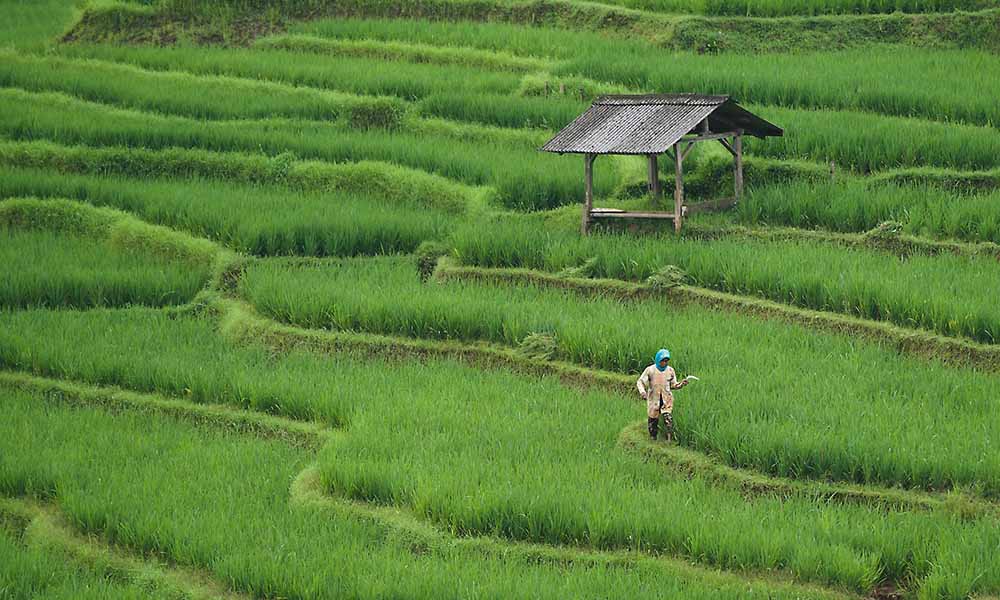
Experience Authentic Rural Life in Sri Lanka: Village Tours & Traditional Farming Adventures
Sri Lanka’s countryside offers travelers an extraordinary opportunity to step away from tourist hotspots and immerse themselves in the authentic rhythms of rural life. From terraced paddy fields stretching across verdant valleys to traditional villages where centuries-old customs thrive, rural tourism in Sri Lanka reveals the island’s true heart and soul.
Why Choose Rural Village Experiences in Sri Lanka?
While coastal beaches and ancient cities draw millions of visitors annually, village tours in Sri Lanka provide something increasingly rare in modern travel: genuine cultural connection. These experiences allow you to witness daily life unchanged by mass tourism, participate in traditional farming activities, and forge meaningful relationships with local communities.
According to recent tourism data, travelers seeking authentic Sri Lankan experiences report significantly higher satisfaction rates compared to conventional tours. The countryside regions near Kandy, Anuradhapura, and the hill country offer particularly rich opportunities for cultural immersion.
Traditional Farming Experiences: From Paddy Fields to Spice Gardens
Rice Paddy Cultivation
Traditional farming in Sri Lanka centers around rice cultivation, which has shaped the island’s culture for over 2,500 years. Visitors can participate in age-old farming practices including:
- Plowing fields alongside water buffalo in the early morning mist
- Learning traditional transplanting techniques from experienced farmers
- Understanding the intricate irrigation systems dating back to ancient civilizations
- Harvesting rice during the maha or yala seasons
- Threshing paddy using traditional methods passed down through generations
Many Ceylon tour guides arrange hands-on farming experiences where you’ll work alongside local families, gaining appreciation for the skill and labor behind every grain of rice.
Spice Garden Exploration
Sri Lanka’s reputation as the “Spice Island” comes alive in rural spice gardens scattered throughout the countryside. These aromatic plantations offer:
- Guided walks through cinnamon, cardamom, pepper, and vanilla plantations
- Demonstrations of traditional spice processing techniques
- Opportunities to prepare authentic Sri Lankan curry pastes
- Understanding the medicinal properties of indigenous plants
- Direct purchase opportunities supporting local farming families
The hill country regions near Matale and Kandy provide exceptional spice garden experiences combined with stunning mountain scenery.
Village Life Immersion: Living Like a Local
Traditional Village Homestays
Sri Lankan village homestays offer unparalleled cultural authenticity. These family-run accommodations provide:
- Comfortable rooms in traditional-style homes
- Home-cooked meals prepared using family recipes
- Participation in daily household activities
- Evening conversations sharing stories and traditions
- Support for local economies through sustainable tourism
Unlike commercial hotels, homestays create genuine exchanges where visitors become temporary family members rather than observers.
Daily Activities and Cultural Practices
Authentic village experiences in Sri Lanka might include:
Morning Activities:
- Accompanying villagers to local markets before dawn
- Collecting fresh coconuts and tapping toddy from palm trees
- Fishing in village tanks (reservoirs) using traditional methods
- Preparing breakfast over wood-fired clay stoves
Afternoon Experiences:
- Learning traditional crafts like pottery, basket weaving, or wood carving
- Participating in religious ceremonies at village temples
- Playing traditional games with local children
- Attending community gatherings and festivals
Evening Traditions:
- Cooking demonstrations featuring regional specialties
- Traditional dance and music performances
- Storytelling sessions under starlit skies
- Ayurvedic wellness practices and herbal medicine preparation
Culinary Adventures: Farm-to-Table Sri Lankan Cuisine
Rural cooking experiences showcase Sri Lankan gastronomy at its most authentic. Village cooking classes typically include:
- Market visits to select fresh ingredients with local cooks
- Grinding spices using traditional stone mortars
- Preparing rice and curry feasts over wood fires
- Learning to make hoppers, string hoppers, and roti from scratch
- Understanding the balance of flavors in traditional Ayurvedic cooking
- Eating meals served on banana leaves in traditional style
Many tour packages from Ceylon Tour Guides incorporate culinary experiences that support village women’s cooperatives, creating economic opportunities while preserving culinary heritage.
Best Regions for Rural Tourism in Sri Lanka
Central Highlands
The hill country villages near Kandy, Nuwara Eliya, and Ella offer:
- Tea estate workers’ communities with unique Tamil culture
- Vegetable farming in terraced mountain gardens
- Cool climate ideal for year-round visits
- Stunning scenic beauty combining agriculture and nature
Cultural Triangle Region
Villages surrounding Anuradhapura, Polonnaruwa, and Sigiriya provide:
- Ancient irrigation systems still in use today
- Traditional dry-zone farming techniques
- Rich archaeological heritage integrated with village life
- Access to major cultural sites combined with rural experiences
Southern Interior
The interior regions of the Southern Province feature:
- Traditional Sinhalese village culture
- Cinnamon plantations and rubber estates
- Less-visited areas offering authentic experiences
- Proximity to southern coast beaches for combined itineraries
Sustainable and Responsible Rural Tourism
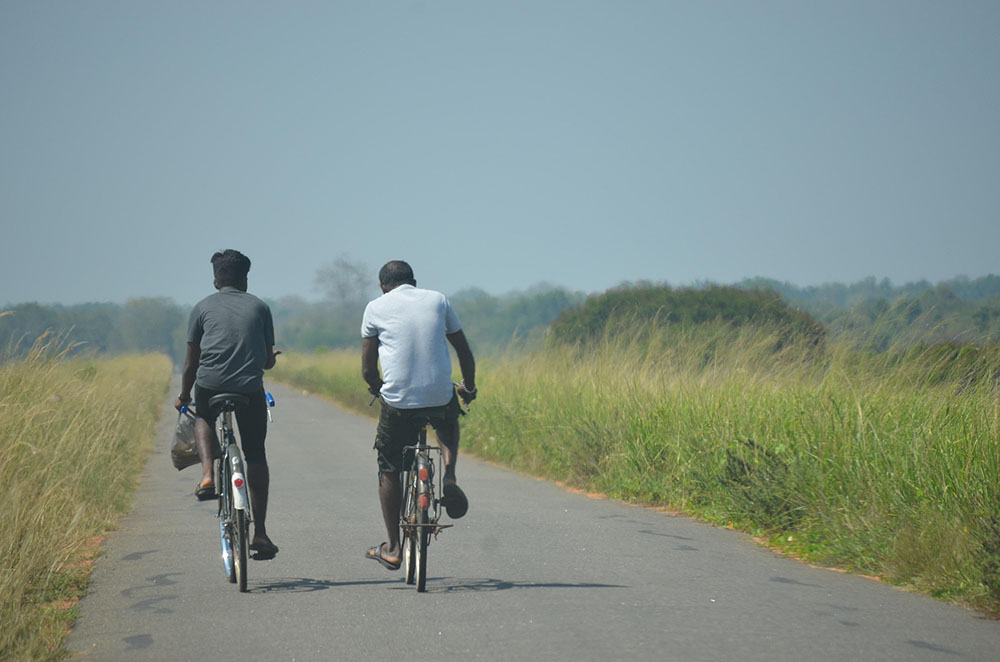
Choosing authentic village tours in Sri Lanka supports sustainable development when done responsibly. Consider these principles:
- Book through operators like Ceylon Tour Guides who ensure fair compensation to host communities
- Respect local customs, dress modestly, and seek permission before photographing people
- Purchase handicrafts and produce directly from artisans and farmers
- Minimize environmental impact by following local guidance on waste disposal
- Learn basic Sinhala or Tamil phrases to show cultural respect
- Participate genuinely rather than treating experiences as photo opportunities
Planning Your Rural Sri Lanka Adventure
Best Time to Visit
Rural village experiences are available year-round, but timing affects specific activities:
- April-May (Yala season): Rice harvesting in many regions
- October-November (Maha season): Paddy planting activities
- December-March: Dry season ideal for outdoor farming activities
- Festival periods: Sinhala/Tamil New Year (April), Vesak (May), regional harvest festivals
What to Pack
For farming experiences in Sri Lanka, bring:
- Comfortable, modest clothing suitable for physical activity
- Sturdy closed-toe shoes for field work
- Sun protection (hat, sunscreen, sunglasses)
- Insect repellent for rural areas
- Small gifts for host families (school supplies, toys for children)
- Camera and power bank for capturing memories
- Open mind and willingness to embrace new experiences
Booking Your Experience
Reputable operators like Ceylon Tour Guides offer curated rural tourism packages including:
- Pre-arranged village stays with vetted host families
- Experienced guides fluent in local languages
- Transportation to remote areas
- Activity coordination based on seasonal availability
- Emergency support and travel insurance coordination
Combining Rural Experiences with Classic Sri Lanka Tours
Village tourism complements traditional Sri Lankan attractions beautifully. Consider itineraries that blend:
- Ancient city exploration followed by village stays in the Cultural Triangle
- Hill country tea estate visits combined with farming village experiences
- Coastal beach relaxation bookended by rural cultural immersion
- Wildlife safaris paired with agricultural community visits
This balanced approach provides both iconic experiences and authentic cultural depth, creating truly memorable Sri Lankan adventures.
Real Traveler Experiences
Visitors consistently describe rural life experiences in Sri Lanka as travel highlights. The opportunity to share meals with farming families, learn skills practiced for generations, and witness daily life unchanged by modernization creates profound connections.
Many travelers report that these experiences transform their understanding of Sri Lankan culture, moving beyond surface-level tourism to genuine cultural appreciation. The warmth and hospitality of village communities, combined with the beauty of agricultural landscapes, creates lasting memories and often inspires return visits.
Conclusion: Discover the Real Sri Lanka
Rural tourism in Sri Lanka offers something increasingly precious in our connected world: authentic human connection, meaningful cultural exchange, and the chance to slow down and appreciate simpler rhythms of life. Whether you’re transplanting rice seedlings, grinding curry spices, or sharing stories over a home-cooked meal, these experiences reveal the generous spirit and rich traditions that define Sri Lankan culture.
Ready to explore authentic village life in Sri Lanka? Contact Ceylon Tour Guides to design a customized rural experience that connects you with the heart and soul of this beautiful island nation. Your adventure into traditional Sri Lankan farming and village culture awaits.
About the Author: This content is provided by Ceylon Tour Guides, specialist