Sri Lanka’s Traditional Mask Making: Ancient Art & Cultural Workshops
Sri Lanka’s mask making tradition represents one of the island’s most captivating cultural treasures. For centuries, skilled artisans have carved intricate wooden masks used in traditional dance, healing rituals, and folk performances. Today, visitors can witness this ancient craft firsthand through immersive workshops and village visits that bring Sri Lankan heritage to life.
The Rich History of Sri Lankan Mask Making
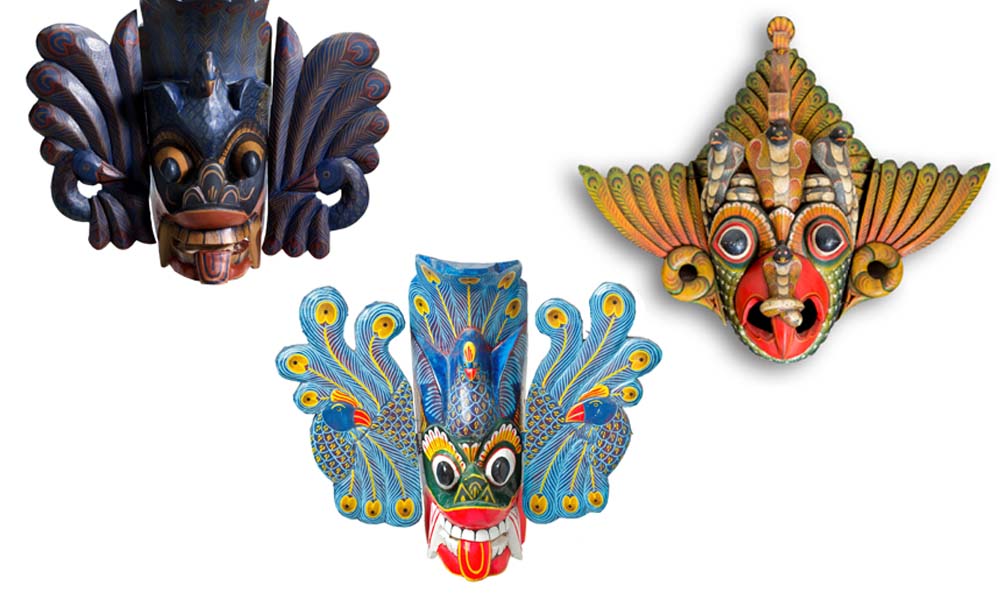
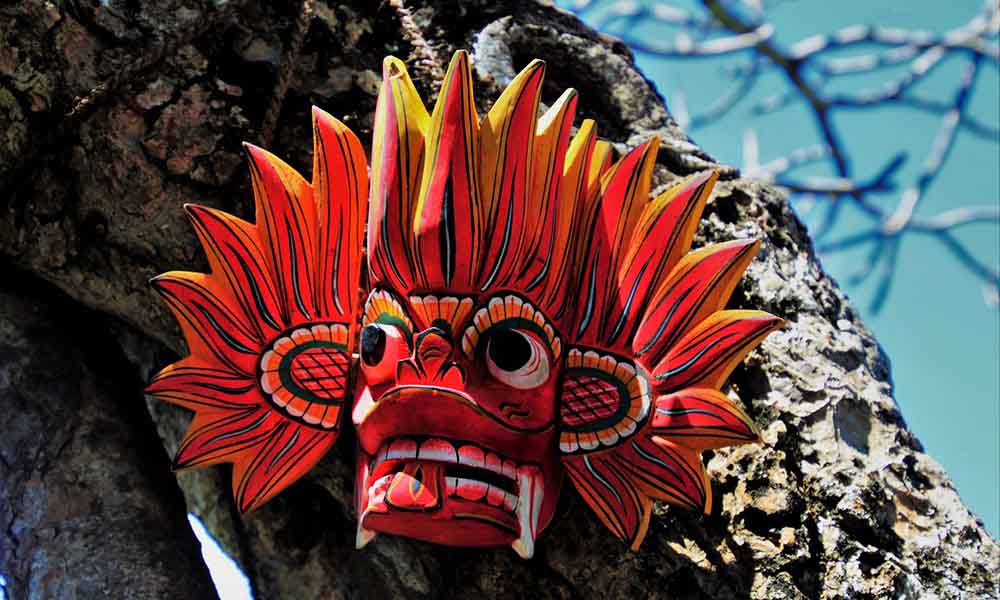
Traditional Sri Lankan masks trace their origins back over 2,500 years, deeply rooted in the country’s spiritual and theatrical traditions. These handcrafted wooden masks serve three primary purposes: Kolam masks for satirical folk dramas, Sanni masks for healing ceremonies, and Raksha masks depicting demons and mythological characters.
The coastal town of Ambalangoda in the Southern Province has emerged as the undisputed center of Sri Lankan mask making. Here, generations of craftsmen have preserved ancient techniques, transforming lightweight kaduru wood into expressive works of art. Each mask tells a story, featuring vivid colors, exaggerated expressions, and intricate details that capture the essence of Sri Lankan folklore.
When you explore Sri Lanka’s cultural heritage, experiencing traditional mask making offers an authentic connection to the island’s artistic soul.
Traditional Mask Types and Their Cultural Significance
Kolam Masks: Theater and Satire
Kolam masks represent characters from folk dramas that have entertained Sri Lankan communities for generations. These performances feature stock characters including kings, queens, villagers, and animals, each portrayed through distinctive masks. The colonial-era influences are visible in some designs, showcasing how Sri Lankan artisans adapted their craft over time.
Sanni Masks: Healing and Ritual
The Sanni Yakuma healing ceremony utilizes 18 distinct masks, each representing a specific demon believed to cause various ailments. These powerful masks play a central role in traditional Ayurvedic healing rituals, where dancers wear them to exorcise illness and restore balance. The vibrant red, black, white, and yellow colors carry symbolic meaning in Sri Lankan spiritual practices.
Raksha Masks: Protection and Power
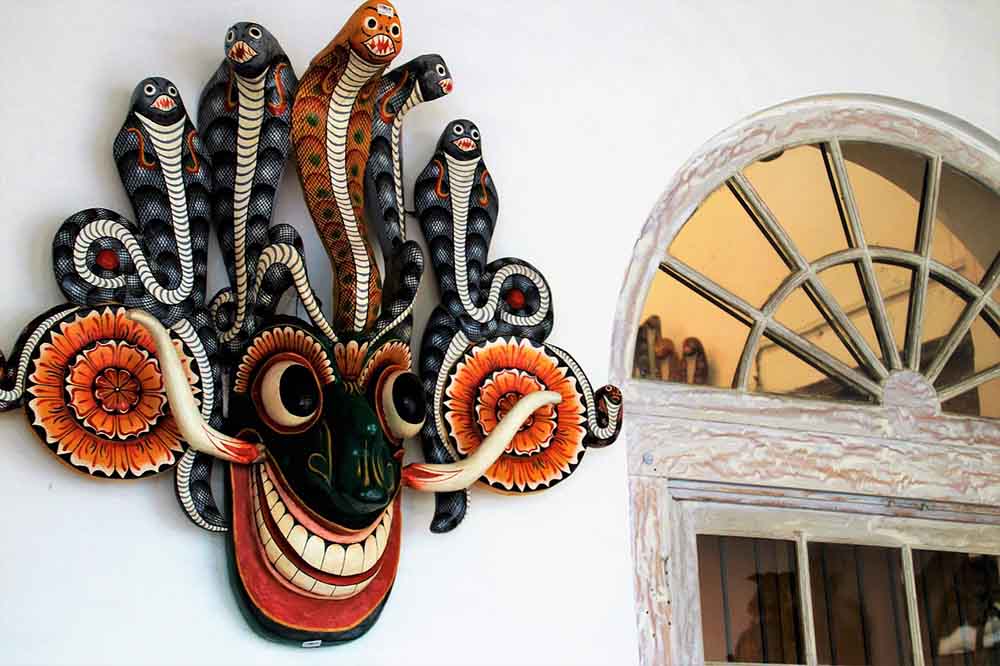
Raksha masks depict demons and supernatural beings, often featuring cobra crowns and fierce expressions. These protective masks guard homes and temples, warding off evil spirits while demonstrating the exceptional skill of Sri Lankan mask carvers.
Visiting Mask Making Workshops in Ambalangoda
Ambalangoda, located along Sri Lanka’s southwestern coast between Colombo and Galle, offers travelers the most authentic mask making experiences. Several family-run workshops welcome visitors to observe master craftsmen at work and try their hand at this traditional art.
What to Expect at a Traditional Workshop
At a typical mask making workshop, you’ll witness the complete creation process. Artisans begin by selecting and seasoning kaduru wood, then rough-carving the basic shape with chisels and traditional tools. The detailed carving phase reveals the mask’s character through carefully sculpted features and expressions.
The finishing process involves multiple stages of preparation, painting with natural and synthetic pigments, and applying a protective varnish. Many workshops offer hands-on experiences where visitors can paint pre-carved masks under expert guidance, creating unique souvenirs while learning about Sri Lankan artistic traditions.
Popular workshops in Ambalangoda include the Ariyapala & Sons Mask Museum and Workshop, where the family has practiced mask making for over 150 years. These establishments combine museum exhibitions showcasing antique masks with active workshops and retail spaces.
Planning Your Mask Making Experience
Best Time to Visit
Sri Lanka’s mask making workshops operate year-round, though the dry season from December to March offers the most pleasant weather for exploring the Southern Province. Workshop visits typically last one to two hours, making them perfect additions to coastal itineraries.
How to Get There
Ambalangoda is easily accessible from major tourist destinations. The town sits approximately 85 kilometers south of Colombo and 25 kilometers north of Galle along the Galle Road. Visitors can reach Ambalangoda by hiring a private tour guide in Sri Lanka, taking the scenic coastal train, or arranging transportation through their accommodation.
Workshop Costs and Booking
Most mask making workshops charge modest entrance fees ranging from 200-500 LKR for observation, while hands-on painting experiences cost between 1,000-2,500 LKR including materials. Purchasing finished masks directly from artisans supports local craftspeople and ensures authentic quality, with prices varying based on size and complexity.
Beyond Ambalangoda: Other Mask Making Centers
While Ambalangoda dominates Sri Lanka’s mask making scene, other regions maintain their own traditions. The Kandyan region produces masks for traditional Kandyan dance performances, featuring different styles and symbolism. Small workshops scattered throughout the Southern Province continue family traditions, often specializing in specific mask types or techniques.
The Modern Revival of Traditional Mask Making
Contemporary Sri Lankan artists are breathing new life into traditional mask making, creating fusion pieces that honor heritage while appealing to modern aesthetics. Some artisans experiment with new materials, colors, and sizes, producing decorative masks for international markets while maintaining the core techniques passed down through generations.
This revival ensures that Sri Lanka’s mask making tradition thrives in the 21st century, providing livelihoods for skilled craftspeople and preserving intangible cultural heritage. Cultural tourism plays a vital role in this sustainability, as visitor interest encourages younger generations to learn the craft.
Combining Mask Making with Other Cultural Experiences
A visit to Ambalangoda pairs beautifully with other cultural attractions in Sri Lanka. The nearby Meetiyagoda Moonstone Mines showcase another traditional craft, while the historic Galle Fort offers colonial architecture and maritime heritage. Traditional dance performances in Kandy or along the coast feature the very masks you’ll see being created in workshops.
Many travelers incorporate mask making experiences into comprehensive Sri Lanka tour packages that explore the island’s diverse cultural landscape, from ancient temples and tea plantations to wildlife reserves and pristine beaches.
Tips for Your Mask Making Workshop Visit
Arrive early in the morning when natural light fills the workshops and artisans begin their daily work. Photography is generally welcomed, but always ask permission before photographing craftspeople. Take time to speak with the artisans, many of whom are happy to share stories about their family traditions and the symbolism behind different mask designs.
When purchasing masks, examine the quality of carving, smoothness of the wood, and evenness of paint application. Authentic traditional masks feature kaduru wood, multiple color layers, and fine detail work. Request information about the mask’s meaning and proper display to fully appreciate your purchase.
Consider supporting fair trade by buying directly from workshop artisans rather than tourist shops in other cities. This ensures craftspeople receive fair compensation while you gain authentic pieces with documented provenance.
Preserving Sri Lanka’s Mask Making Heritage
As you explore Sri Lanka’s mask making traditions, you become part of a vital preservation effort. Tourism revenue helps sustain these ancient crafts, while international appreciation encourages cultural pride among Sri Lankan communities. By visiting workshops, purchasing authentic masks, and sharing your experiences, you contribute to keeping this remarkable artistic tradition alive for future generations.
The masks of Sri Lanka represent far more than decorative art. They embody centuries of spiritual belief, theatrical innovation, and artistic excellence. Whether you’re drawn to the vibrant colors, fascinated by the cultural stories, or simply seeking authentic experiences in Sri Lanka, a mask making workshop visit offers unforgettable insights into the island’s living heritage.